
Hair Transplant
Restore your hairline and density with precision graft implantation by Dr. Dushyanth Kalva in Hyderabad. FUE, FUT, DHI, and robotic-assisted options are planned around your donor area, baldness pattern, and long-term goals.
6-8 Hours
3-7 Days
Local
4.9/5
1 Lakh+
Happy Patients
24+
Years Experience
4.9/5
Google Rating
MCh
Board Certified
NABH
Aligned Facility
Natural, Long-Term Results
What is Hair Transplant?
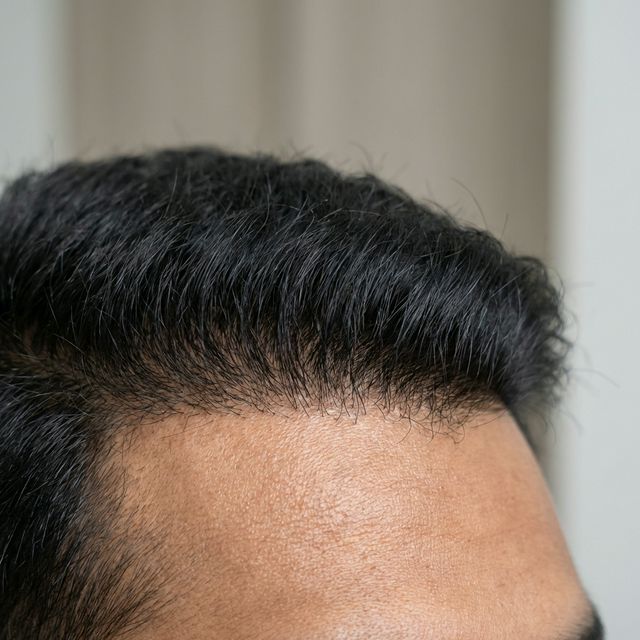
Hair transplant is a microsurgical procedure where permanent follicles from the back or sides of your scalp are moved into thinning or bald zones. The result is your own naturally growing hair, not synthetic strands or a temporary cosmetic cover-up.
The focus is not just graft numbers, but smart design: age-appropriate hairline, natural direction, balanced density, and donor preservation for future needs. At consultation in Hyderabad, the goal is to understand what is realistically achievable for your pattern rather than oversell a one-size-fits-all graft number.
FUE, FUT, and Focused Restoration Options
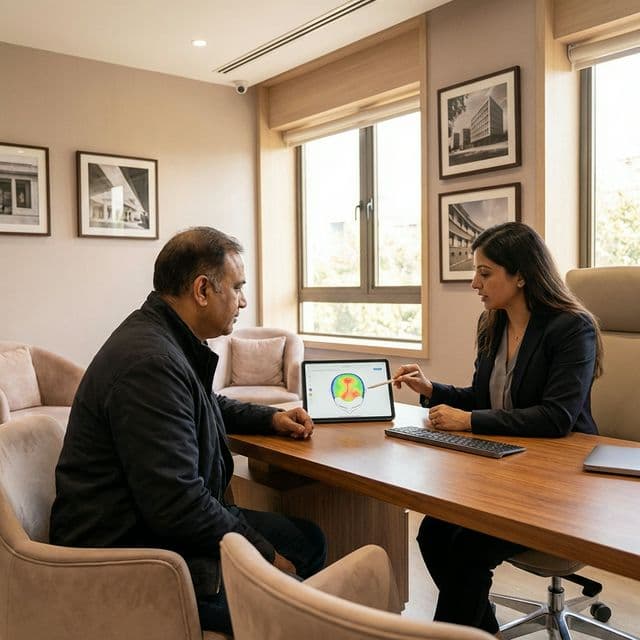
The right method depends on your donor strength, hairstyle preferences, target area, and long-term hair-loss plan. The best choice is not always the most heavily marketed one. It is the option that gives you believable coverage while protecting future graft reserves.
FUE Hair Transplant
Individual follicular units are extracted one by one, which helps keep visible scarring minimal and suits patients who prefer shorter hairstyles.
FUT Hair Transplant
A donor strip is used to harvest a larger number of grafts efficiently, which can be useful in advanced baldness where coverage demand is higher.
Beard & Eyebrow Restoration
Focused graft placement can rebuild patchy beard areas or sparse eyebrows with careful control of angle, direction, and density.
If you are mainly comparing pricing, graft counts, or FUE vs FUT trade-offs, the dedicated hair transplant cost guide explains how quotes are usually built and what should be included in a responsible treatment plan.
How It Works
Understanding Hair Transplant Surgery
Hair transplantation moves permanently growing hair follicles from a donor area (typically the back and sides of the scalp) to thinning or bald areas. The transplanted hair retains the genetic characteristics of the donor zone and continues to grow naturally for life. The key variable is planning — graft count, hairline design, and donor preservation all affect long-term outcomes.
FUE vs FUT: The Real Difference
FUE (Follicular Unit Extraction) removes individual follicular units one by one using a small punch device, leaving tiny dot scars. FUT (Follicular Unit Transplantation) removes a horizontal strip from the donor area, from which grafts are dissected under magnification, leaving a linear scar. FUT typically yields more grafts per session and is preferred when large coverage is needed. FUE is better for shorter hairstyles where a linear scar would be visible.
How Graft Count is Estimated
The number of grafts needed depends on the area of coverage and the desired density. Typical sessions range from 1,500 to 4,000 grafts. The donor area has a finite supply — extracting too aggressively thins the donor zone. A conservative approach to graft planning, accounting for future hair loss, is essential to ensure the donor area lasts for potential future sessions.
The Shedding Phase
Between 2 and 6 weeks after surgery, most transplanted hairs shed. This is called telogen effluvium and is completely normal — the follicles enter a resting phase before beginning new growth. Patients should expect to look similar to (or slightly worse than) before surgery during this period. New growth typically begins at 3–4 months; noticeable density appears at 6–8 months.
Hairline Design and Long-Term Planning
A hairline that looks natural today must still look appropriate 20 years from now, when the surrounding native hair has thinned further. Designing an aggressive or very low hairline in a young patient wastes limited donor grafts on a position that may look unnatural later. Conservative hairline design and long-term planning are hallmarks of experienced hair restoration surgeons.
DHI and Robotic-Assisted Methods
DHI (Direct Hair Implantation) uses a specialised implanter pen that places grafts without pre-creating recipient channels, potentially improving graft survival in some cases. Robotic systems assist with precise extraction in FUE but do not replace surgical judgment. Neither method is universally superior to skilled manual FUE or FUT — outcomes depend more on surgeon experience than on the extraction technology used.
Am I a Good Candidate?
Likely suitable if:
- Male or female pattern hair loss with stable donor zone
- Realistic expectations about density and timeline
- Healthy scalp without active inflammatory disease
- Comfort with staged improvement over 9-12 months
- Willingness to follow aftercare and medication guidance
Needs extra evaluation if:
- Uncontrolled diabetes or severe systemic illness
- Very weak donor area for required graft count
- Active scalp infection or untreated dermatitis
- Expectation of instant full density in a single session
- Inability to follow wash and recovery protocol
Who usually benefits most?
The strongest candidates are patients with stable pattern hair loss, a healthy donor zone, and realistic expectations about density. Younger patients with rapidly progressing loss may still benefit, but they often need a more conservative hairline and a longer-term maintenance plan rather than an aggressive one-session promise.
Restoration Areas

Scalp & Hairline
Rebuild receding frontal hairline and improve crown density with natural directional placement.
Beard Transplant
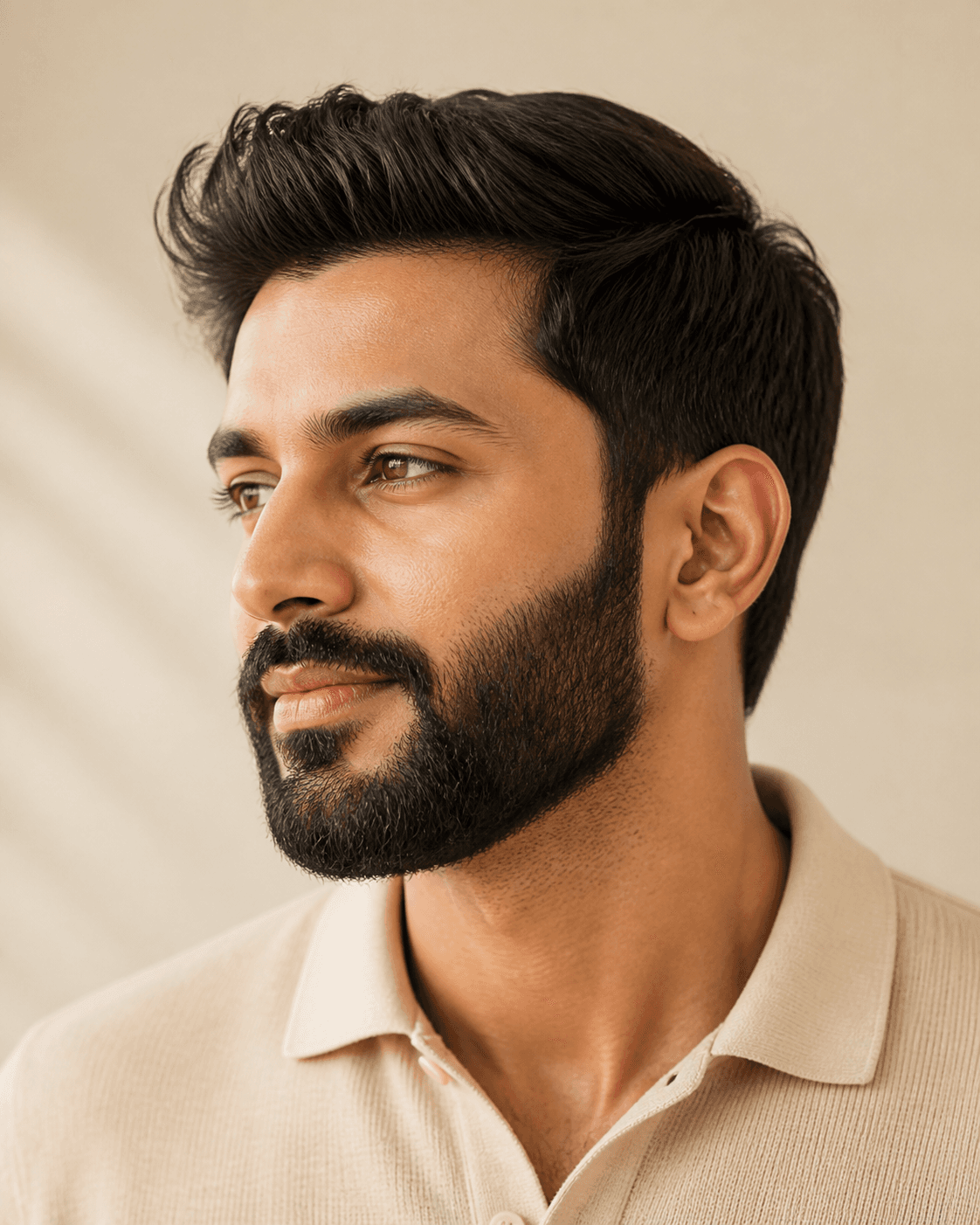
Correct patchy growth or create fuller beard contours while preserving natural texture.
Eyebrow Restoration
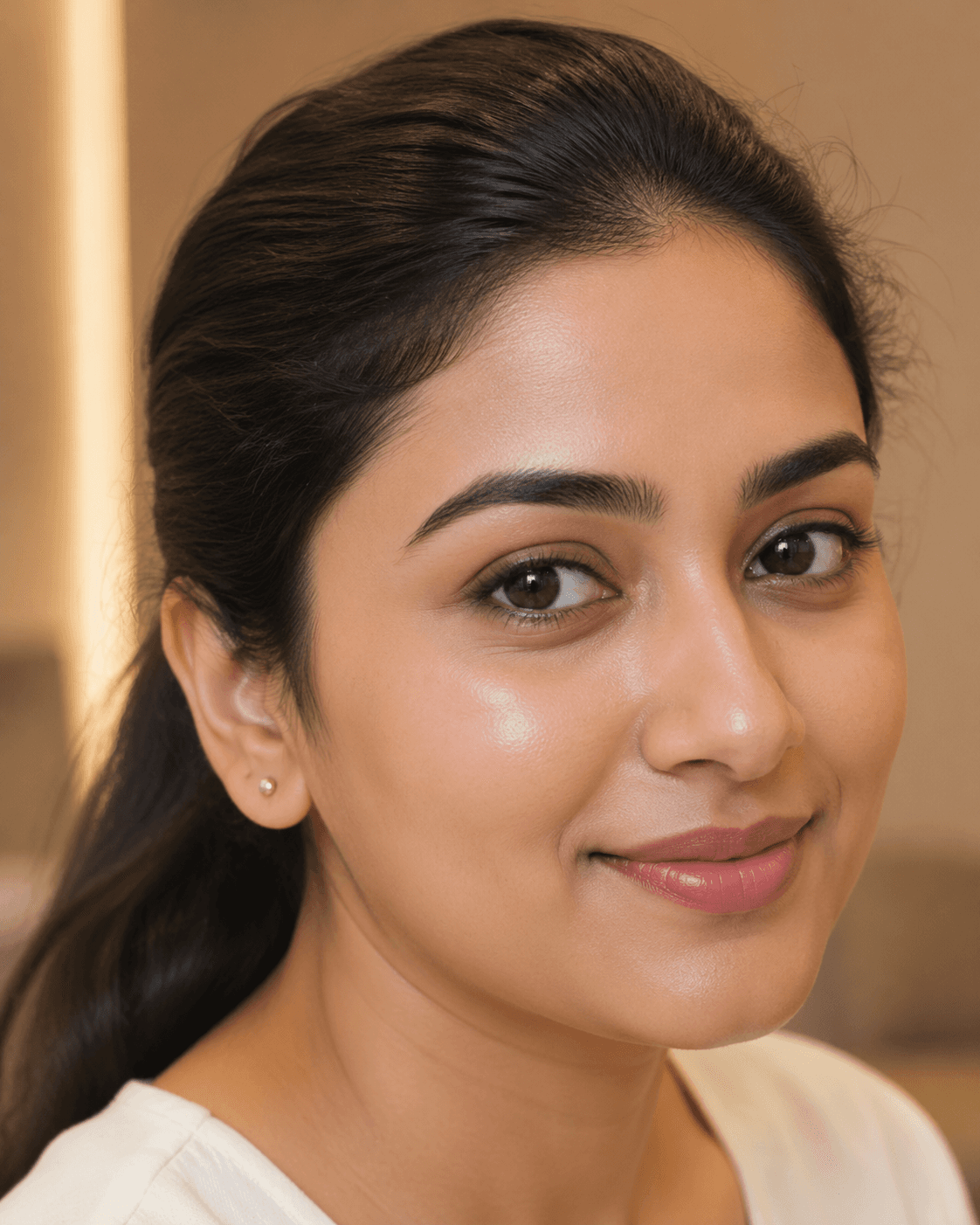
Restore or reshape sparse eyebrows with precision graft implantation.
Recovery & Aftercare
Hair transplant recovery is straightforward when instructions are followed closely. The first 10 days are crucial for graft protection and wash protocol, while the next few months require patience during the normal shedding and regrowth cycle.
Immediate Recovery
What You Can Do
- Rest with elevated head
- Use medications and spray protocol
- Protect grafts while sleeping
- Attend first post-op review
What to Avoid
- No touching or rubbing grafts
- No gym, sweat-heavy activity, or helmet use
- No alcohol and smoking
- No direct sun exposure
Tip: Mild swelling and tiny crusts are expected and temporary.
Scab Shedding Phase
What You Can Do
- Begin guided gentle wash protocol
- Resume desk work for most patients
- Continue scalp hygiene exactly as advised
What to Avoid
- No scratching or forceful scalp massage
- Avoid tight caps that create friction
- Avoid swimming pools and saunas
Tip: By day 10, most crusting settles and recipient area looks cleaner.
Shock Loss Window
What You Can Do
- Normal routine resumes gradually
- Follow medicine plan if prescribed
- Track progress with monthly photos
What to Avoid
- No panic over shedding phase
- Avoid harsh chemicals without medical approval
Tip: Temporary shedding is normal before new growth starts.
Growth & Maturation
What You Can Do
- Visible new growth from month 3-4
- Better coverage by month 6
- Final texture and density by month 9-12
What to Avoid
No major restrictions at this stage.
Tip: Final outcome is evaluated around one year, not in the first few months.
Risks & Safety
Hair transplantation is a low-risk outpatient procedure, but outcomes depend on donor quality and honest graft planning. Dr. Dushyanth explains what your donor area can realistically support before any session is booked.
Our Safety Protocol
How Dr. Dushyanth ensures your safety
Board-certified plastic surgeon with 24+ years of surgical experience
Structured pre-operative assessment and fitness screening for every case
NABH-aligned operating protocols with continuous anaesthesia monitoring
Sterile operating environment with emergency backup systems
Scheduled follow-up through the full healing period
Direct post-operative access for urgent concerns
All procedures are performed in our NABH-aligned facility with ICU backup, emergency protocols, and 24/7 post-operative support.
Potential Risks
— every surgery carries some riskShock Loss (Temporary Shedding)
PossibleMitigation: Transplanted and some native hairs shed before regrowth. This is expected between weeks 3 and 8 and is not graft failure.
Forehead or Scalp Swelling
PossibleMitigation: Usually settles within 3 to 5 days. Head elevation and the prescribed protocol limit it.
Donor Area Numbness
PossibleMitigation: Temporary in most cases, resolving over several weeks as small nerves recover.
Folliculitis
UncommonMitigation: Small inflamed bumps during regrowth. Managed with topical care and, if needed, a short antibiotic course.
Poor Graft Survival
UncommonMitigation: Minimised by short out-of-body time, careful handling, correct implantation depth, and strict aftercare compliance.
Visible Donor Scar (FUT)
PossibleMitigation: FUT leaves a fine linear scar. Trichophytic closure keeps it discreet; FUE is offered where short hairstyles are planned.
Infection
RareMitigation: Sterile operating conditions and a structured wash protocol from day one.
Serious complications are extremely rare when performed by an experienced surgeon in an accredited facility. Dr. Dushyanth will discuss all potential risks in full detail during your consultation.
Results Timeline
Healing
Day 1-10
Scabs settle and recipient area stabilizes
Shedding
Week 3-6
Temporary shedding phase is normal
Growth
Month 3-6
New hair appears and thickens gradually
Maturity
Month 9-12
Final density, texture, and natural blending
Before & After Hair Transplant Results
Real clinic cases showing hairline reconstruction and density improvement after treatment. Final outcomes depend on donor quality, graft count, hair characteristics, and the healing response of each patient.
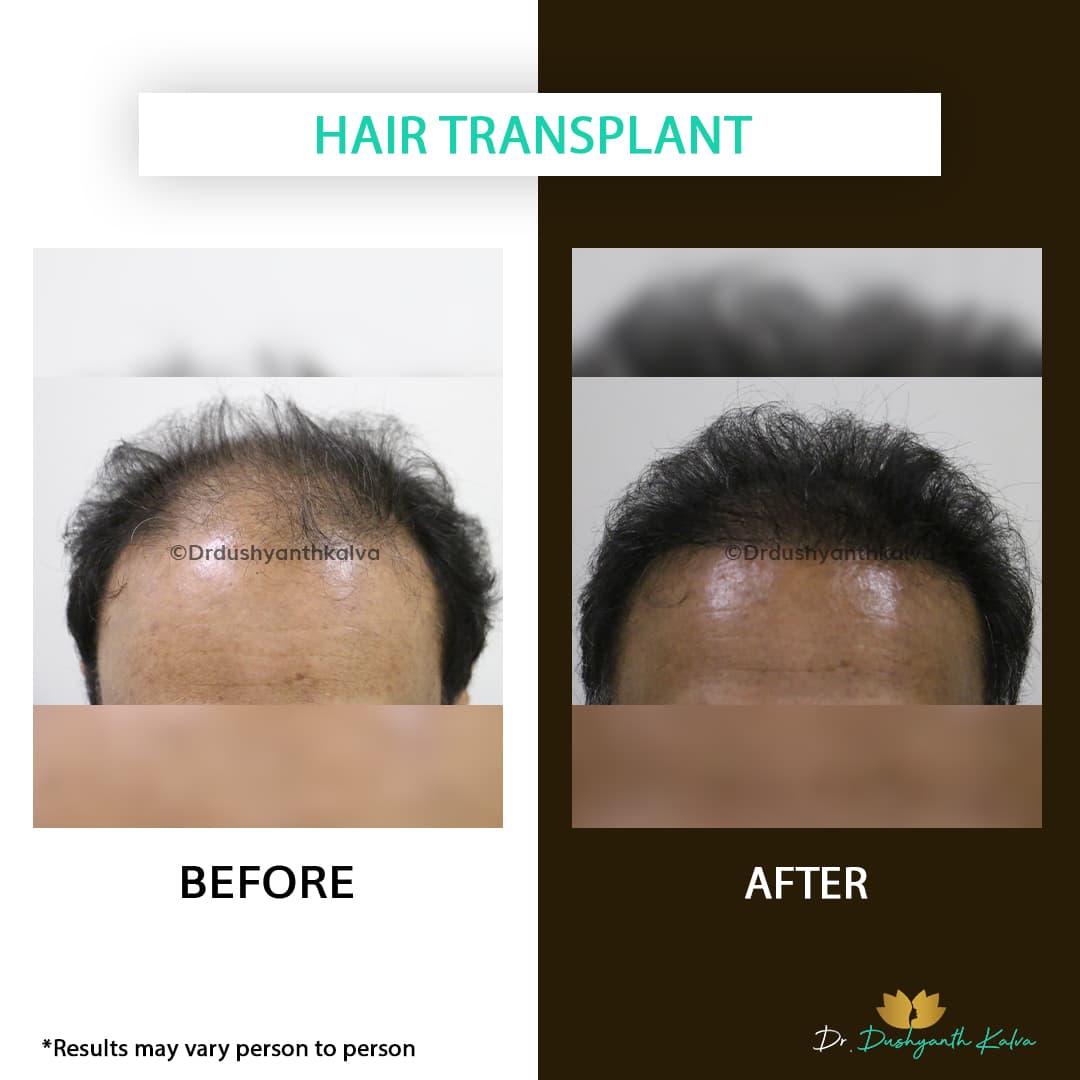
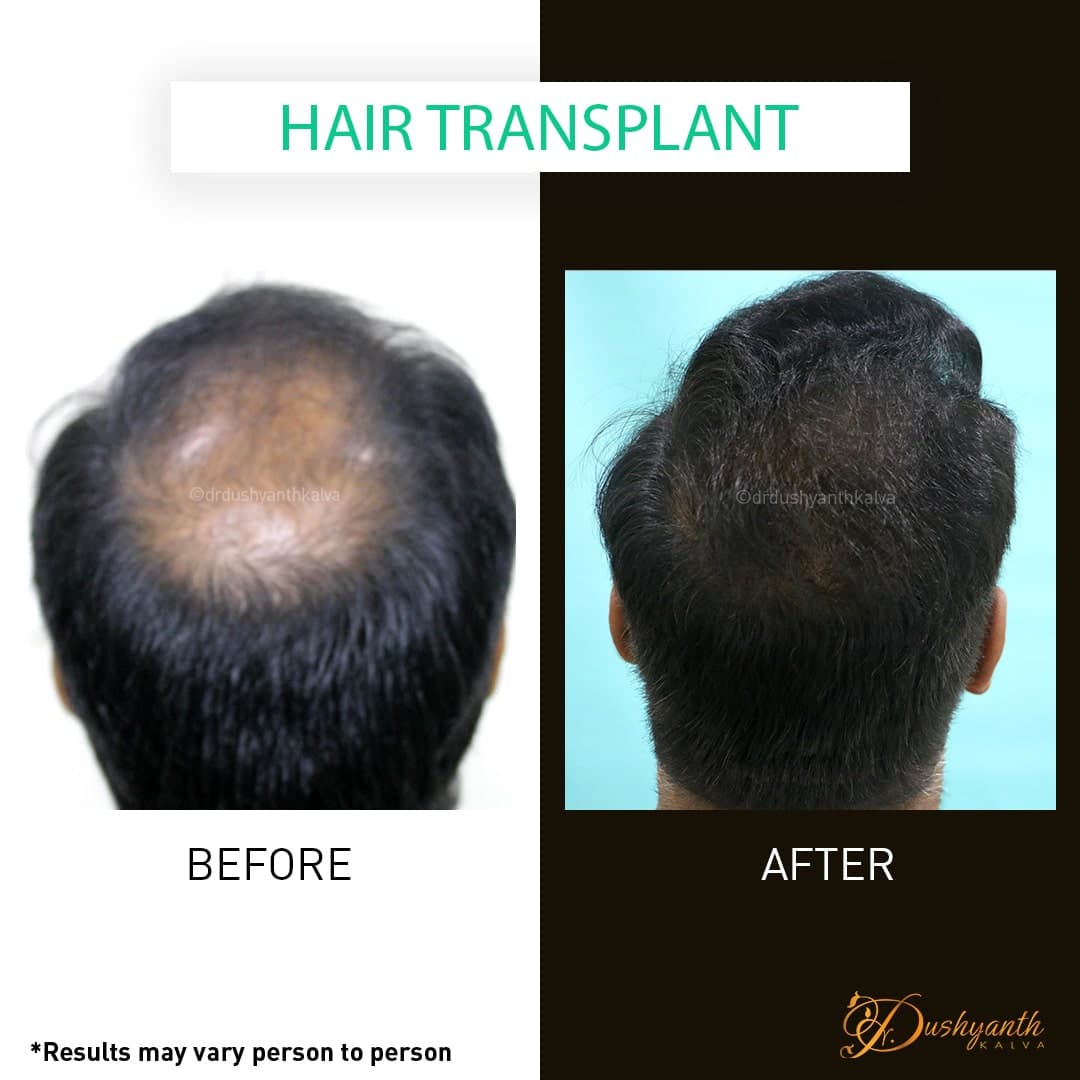
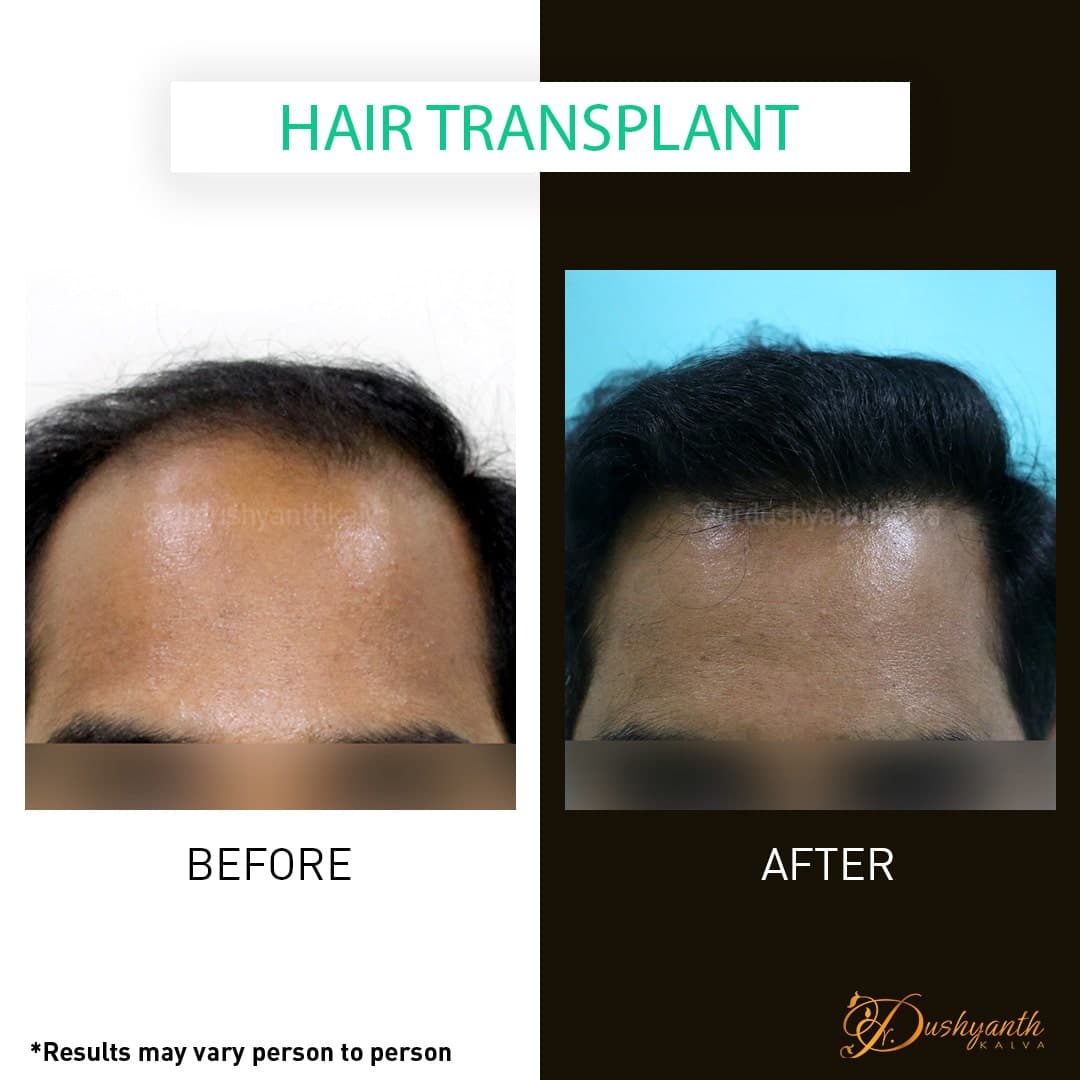
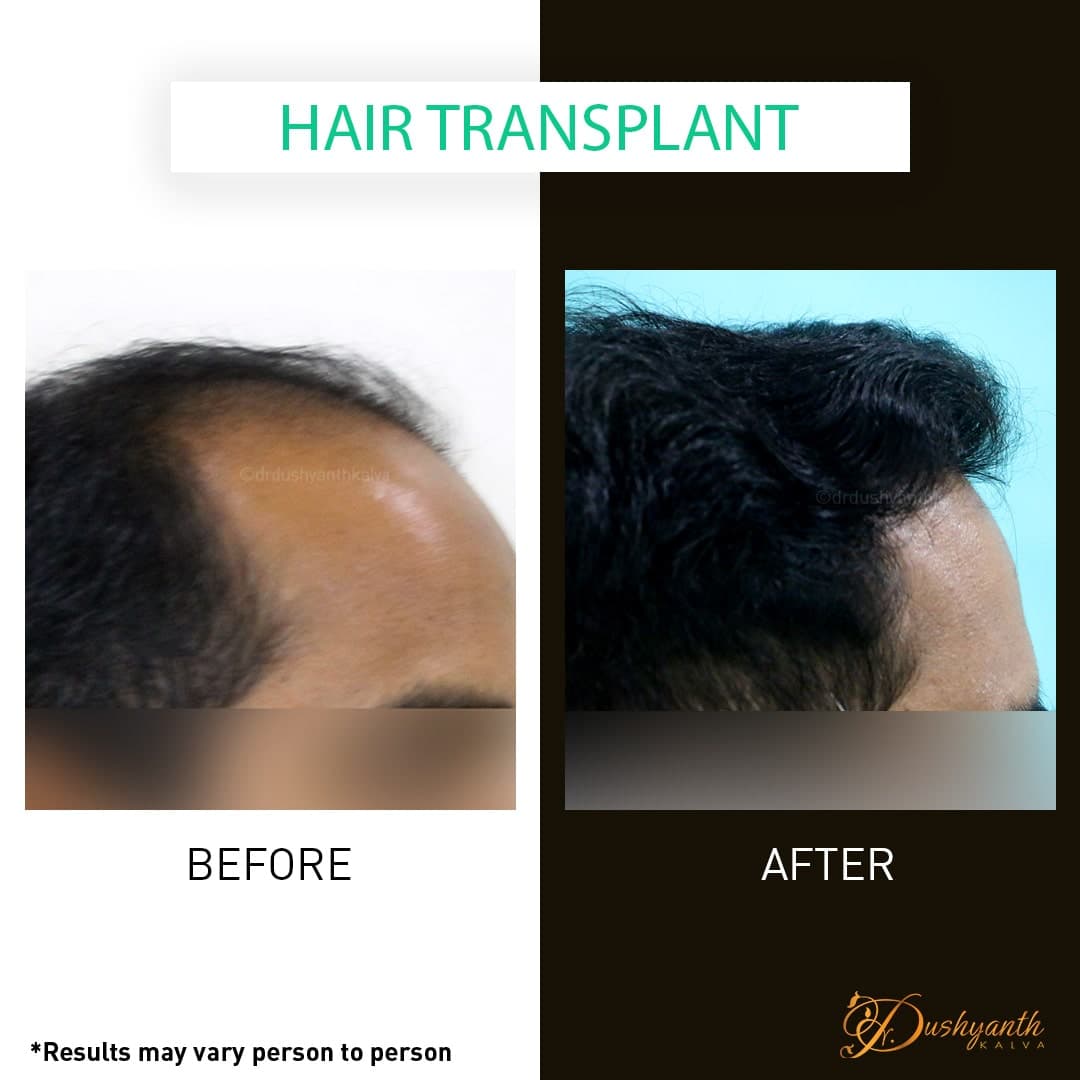
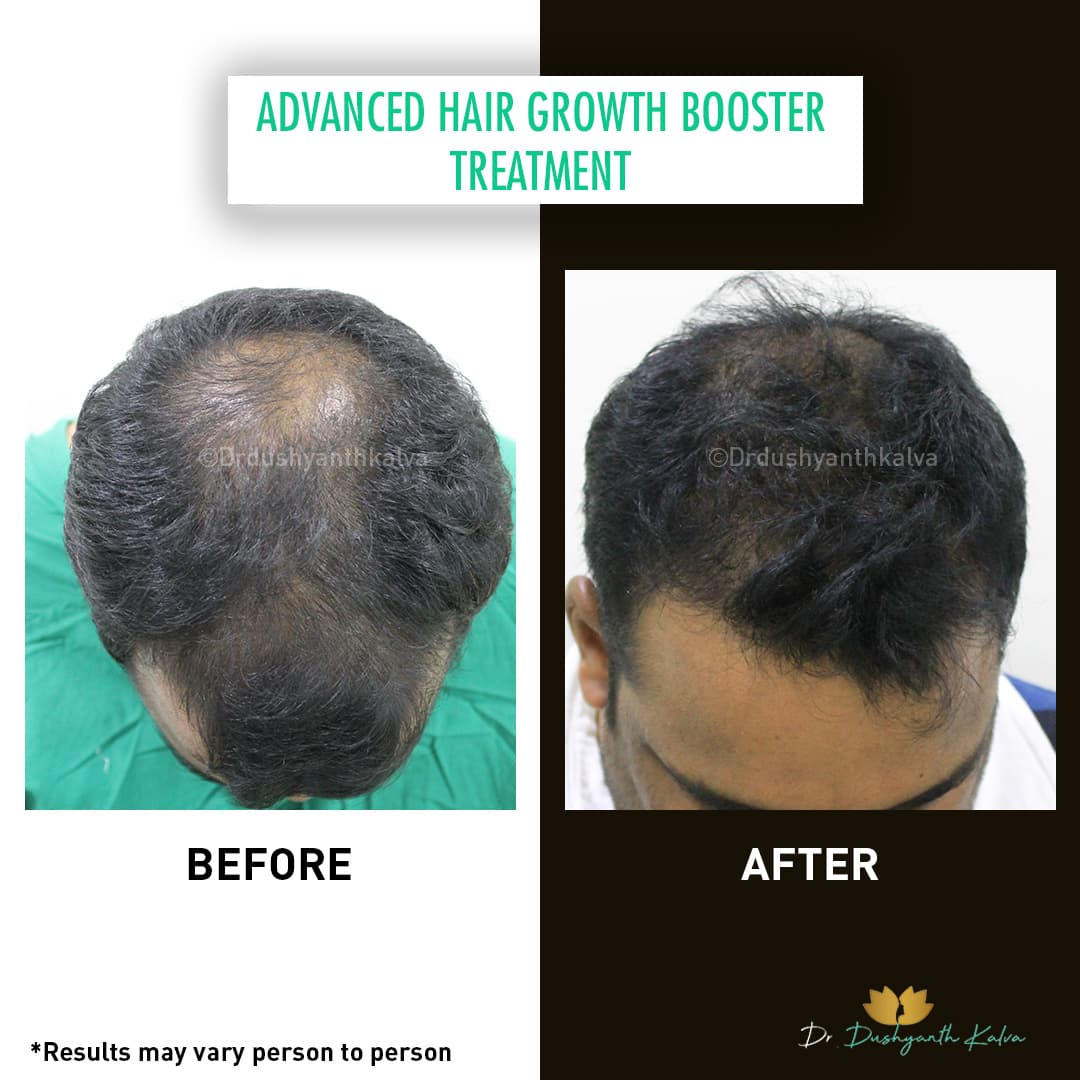
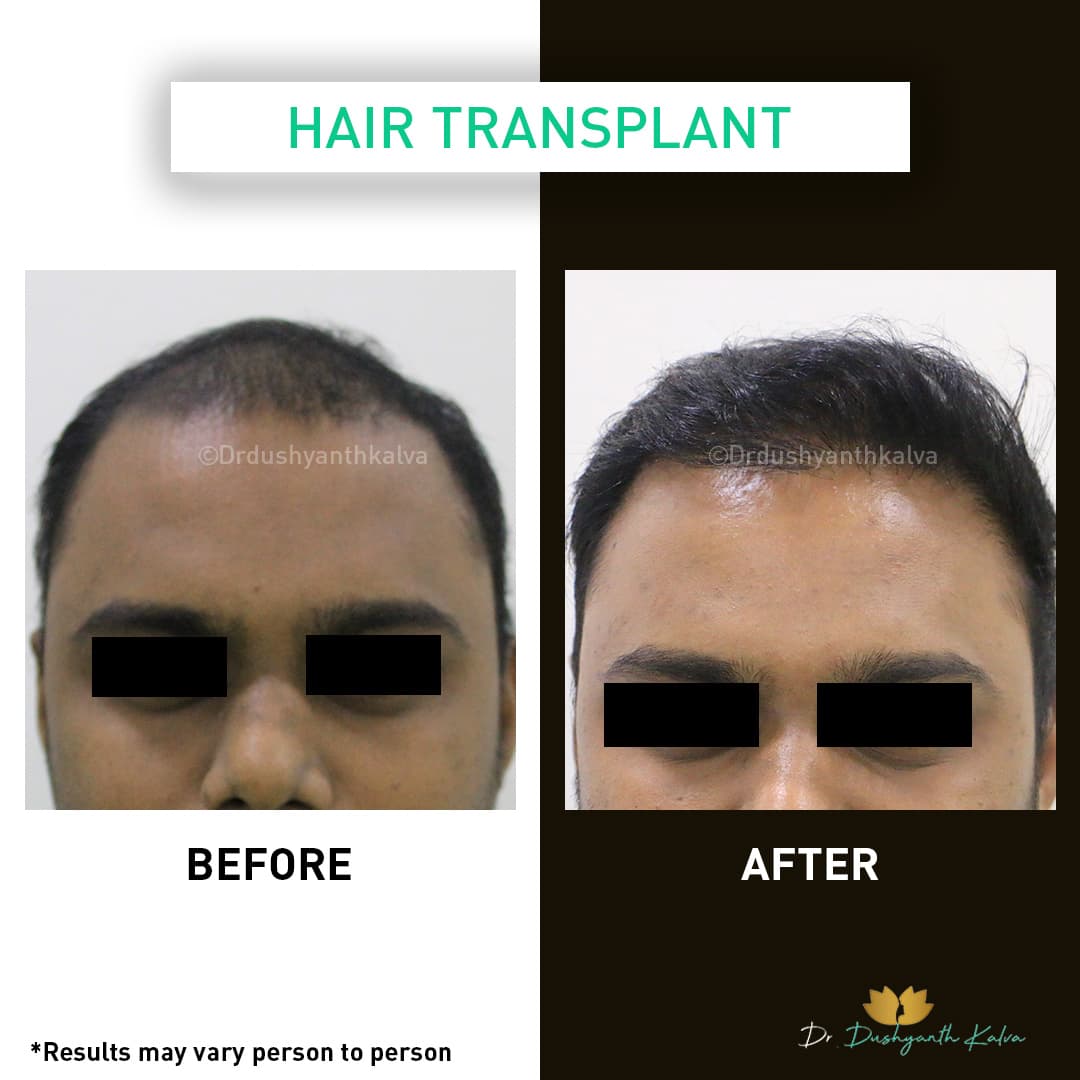
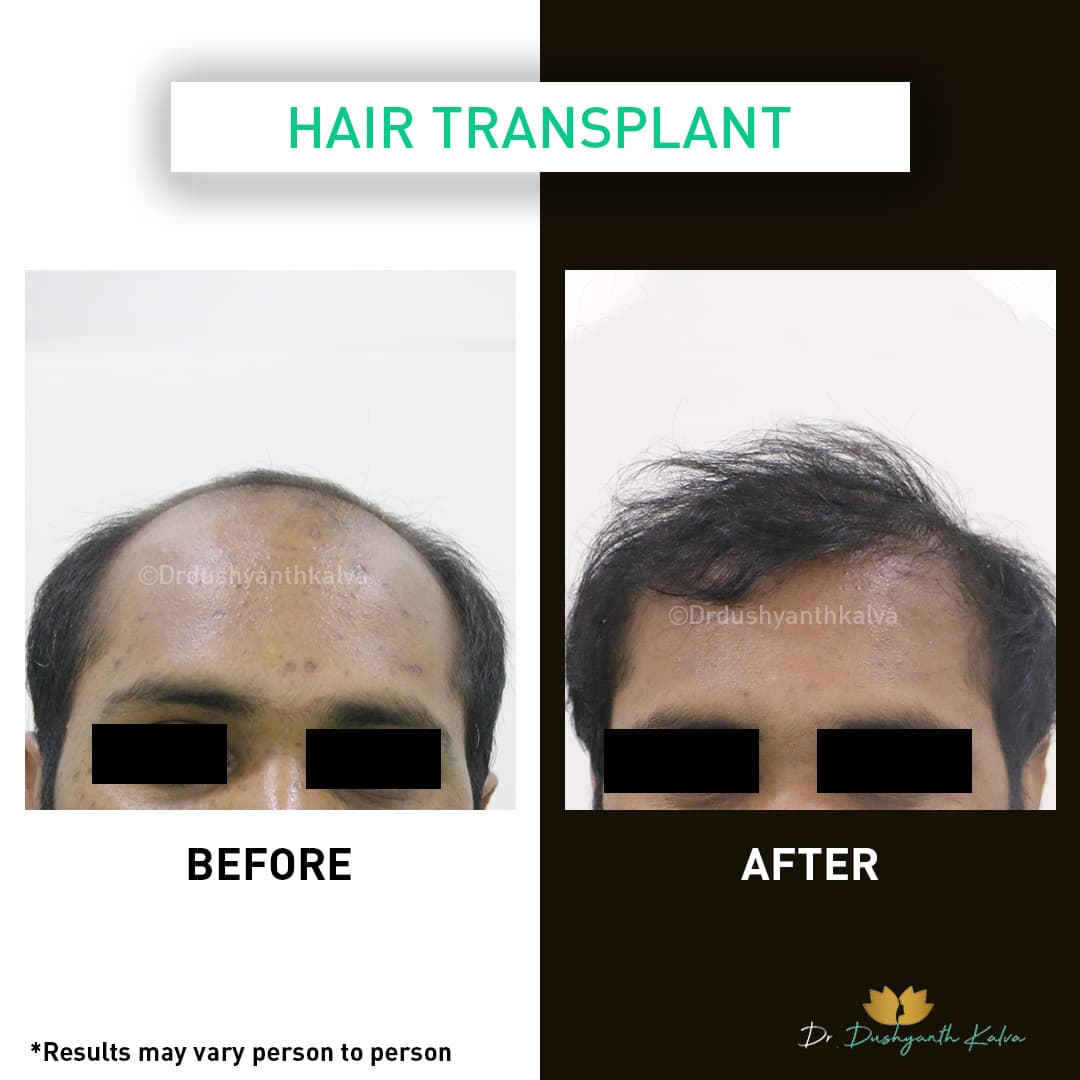
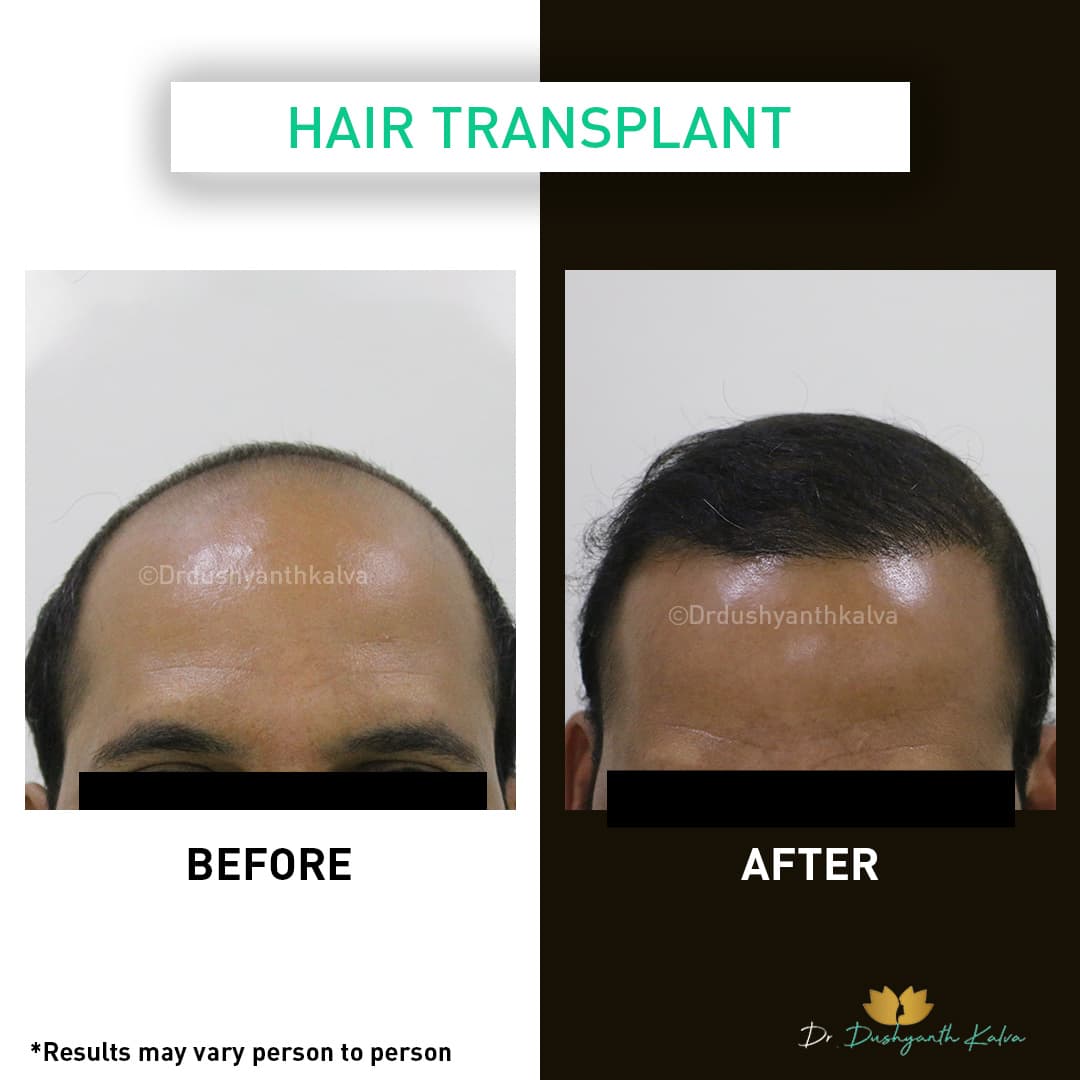
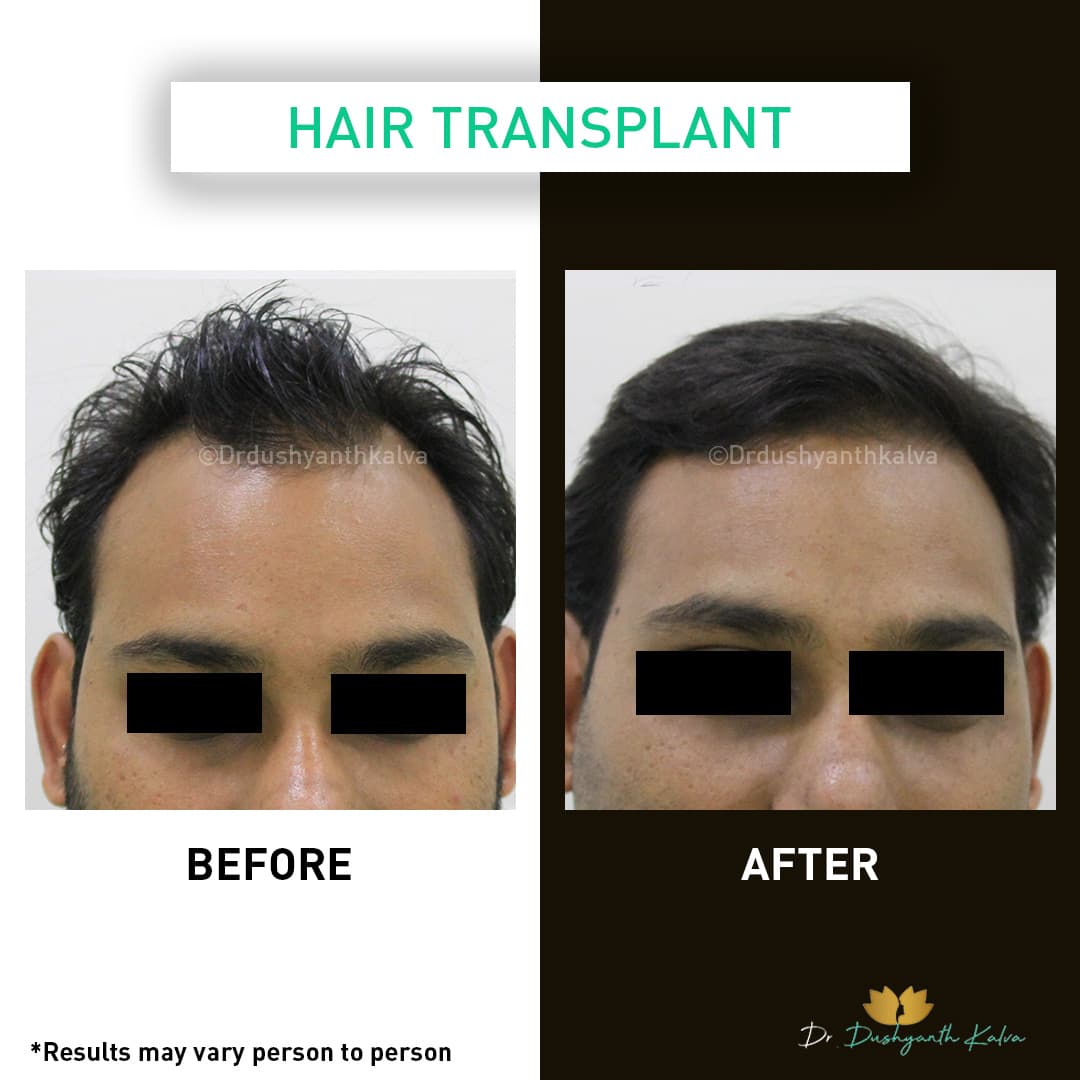
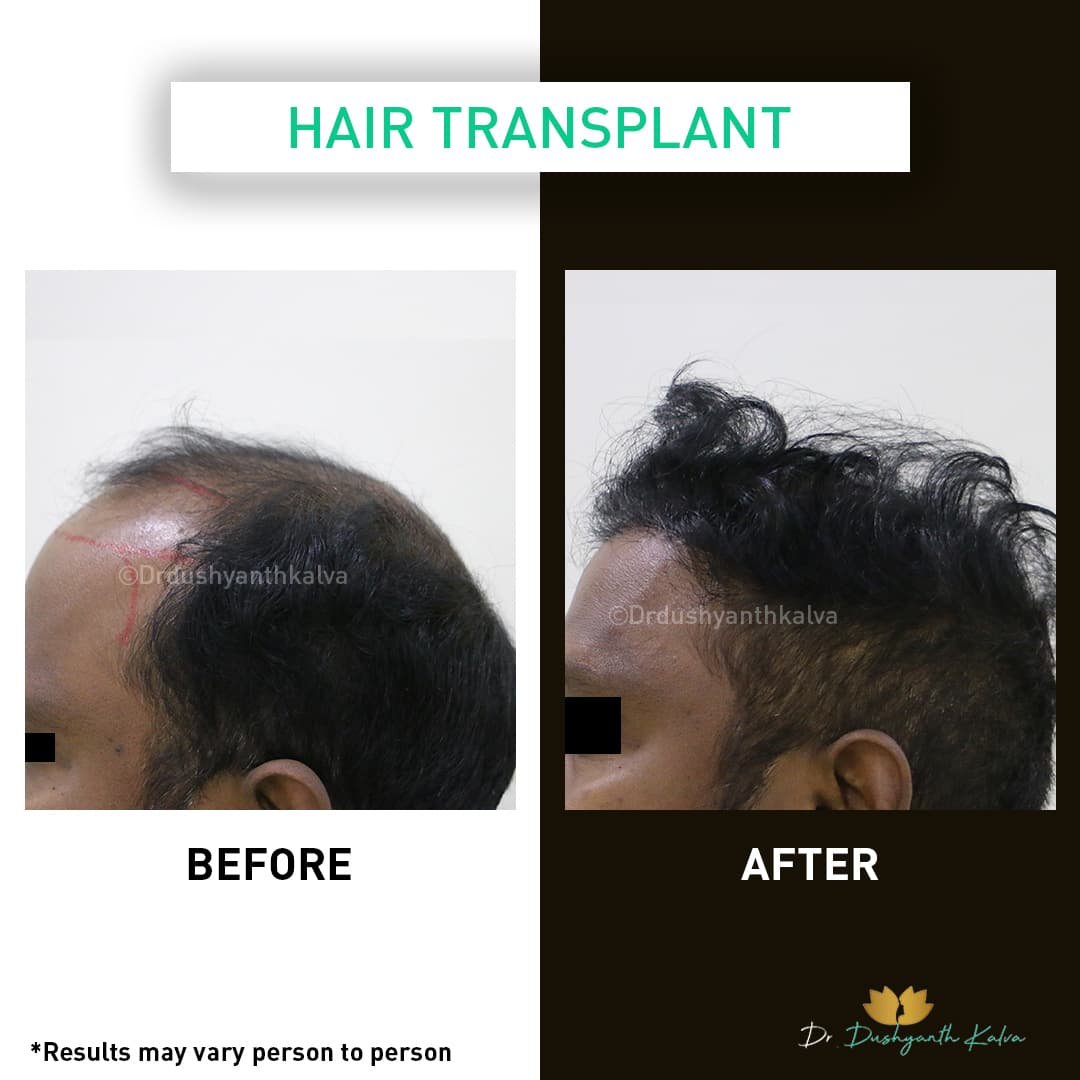
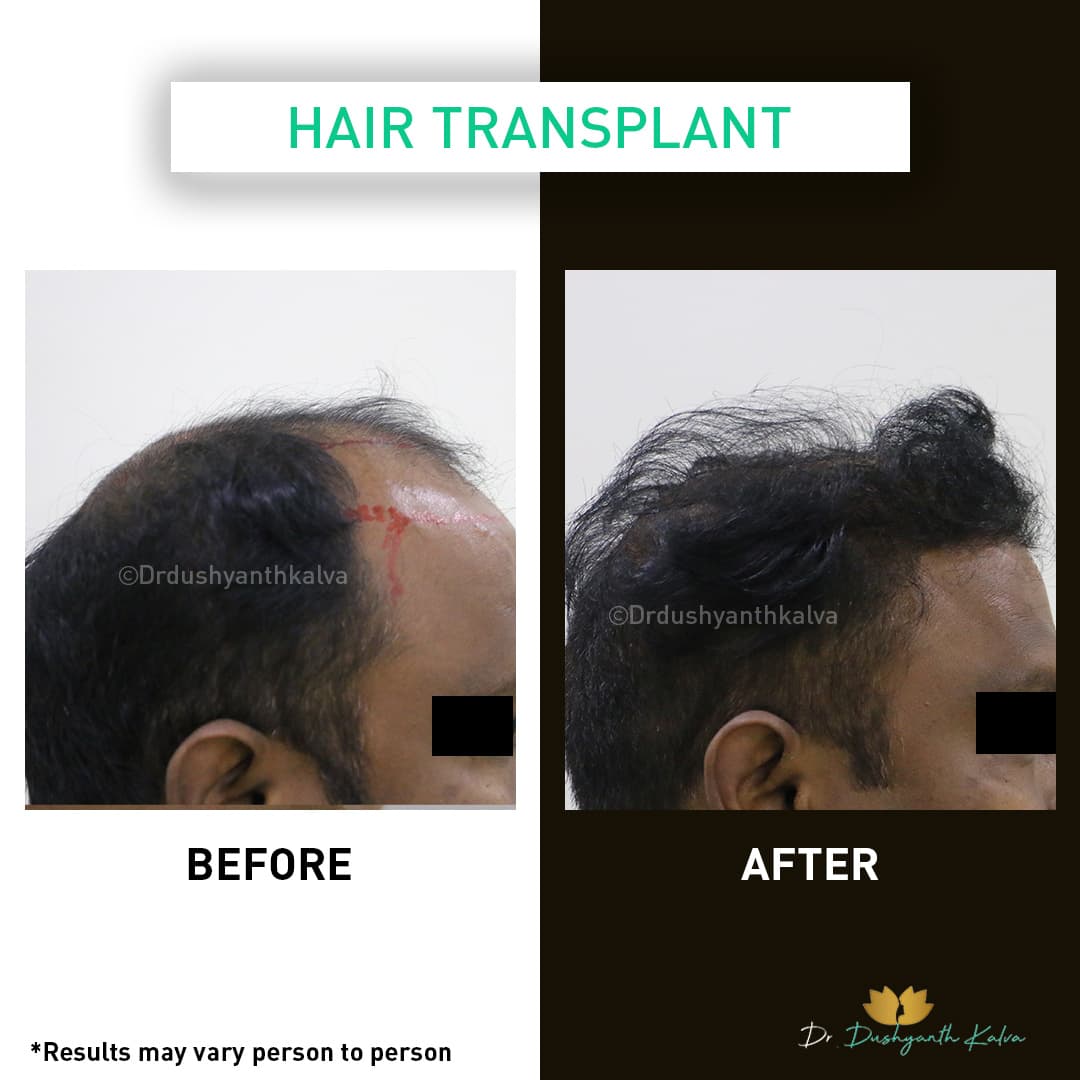
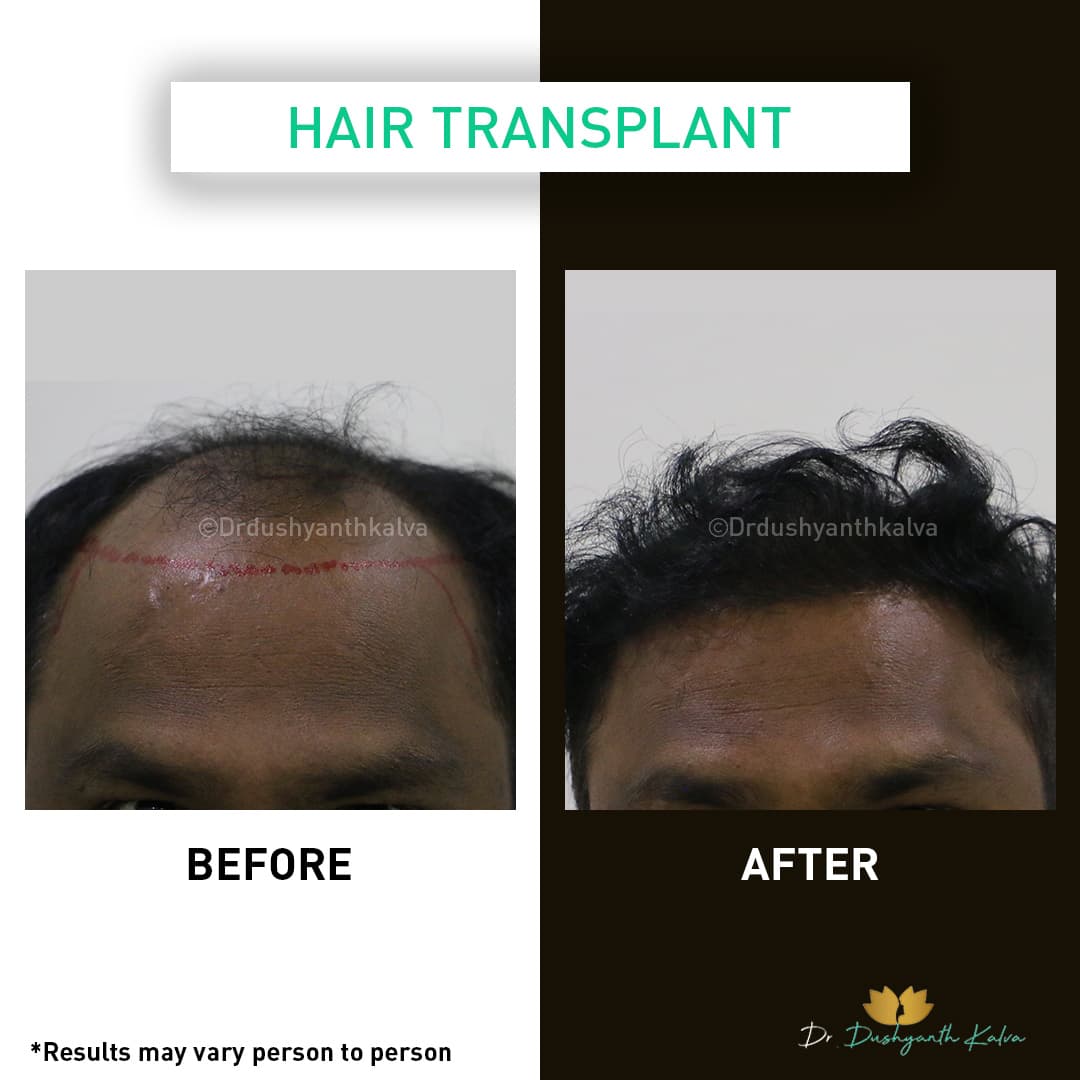
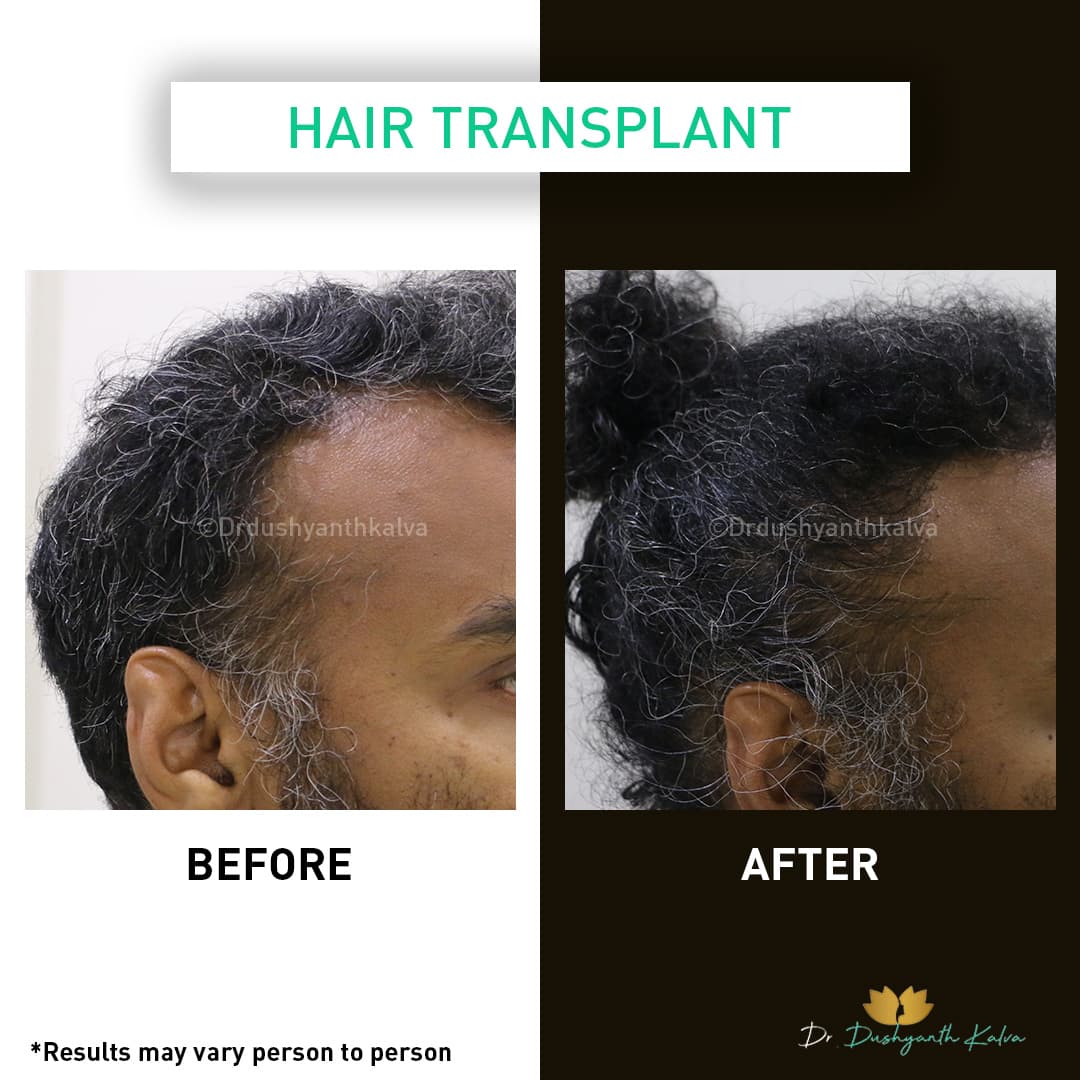
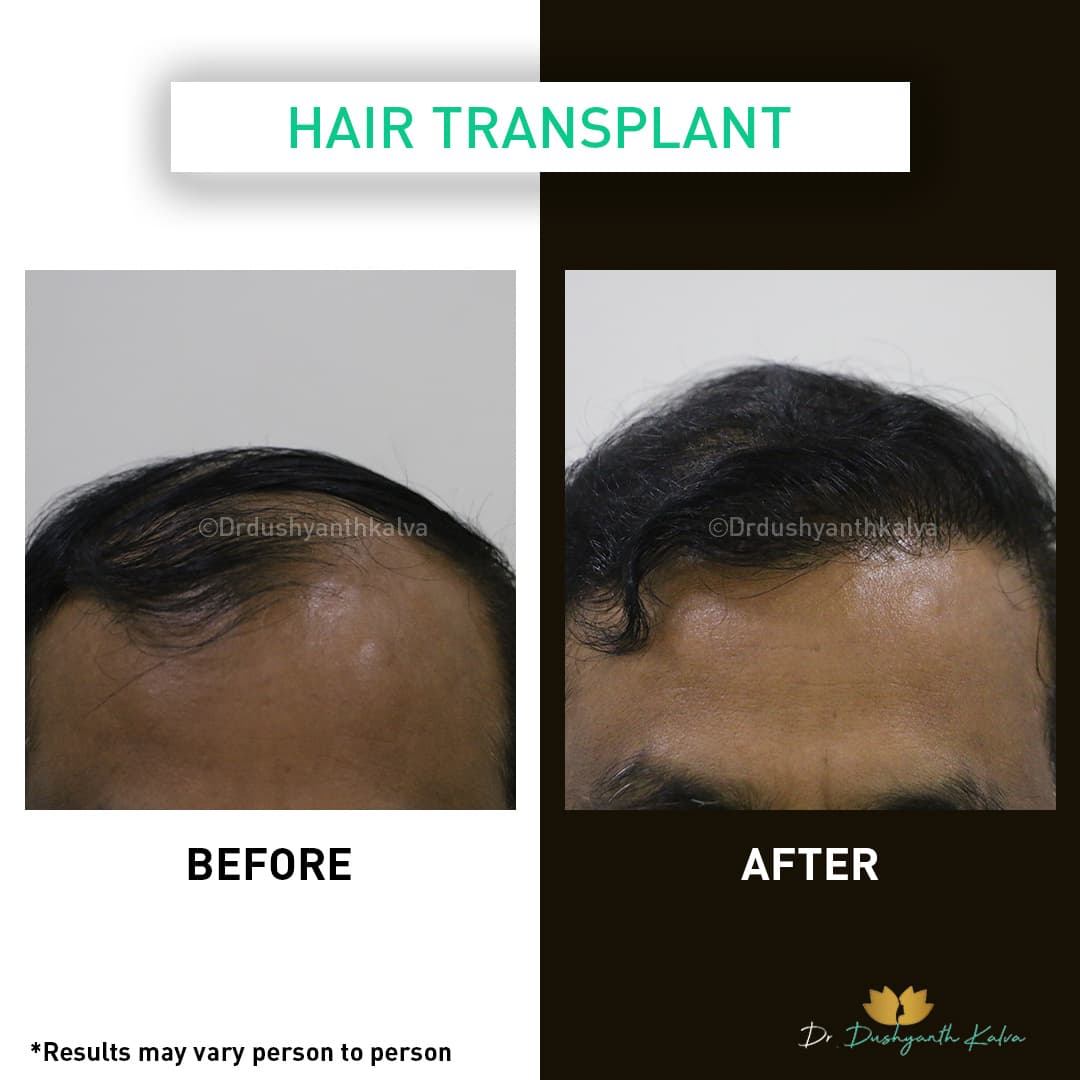
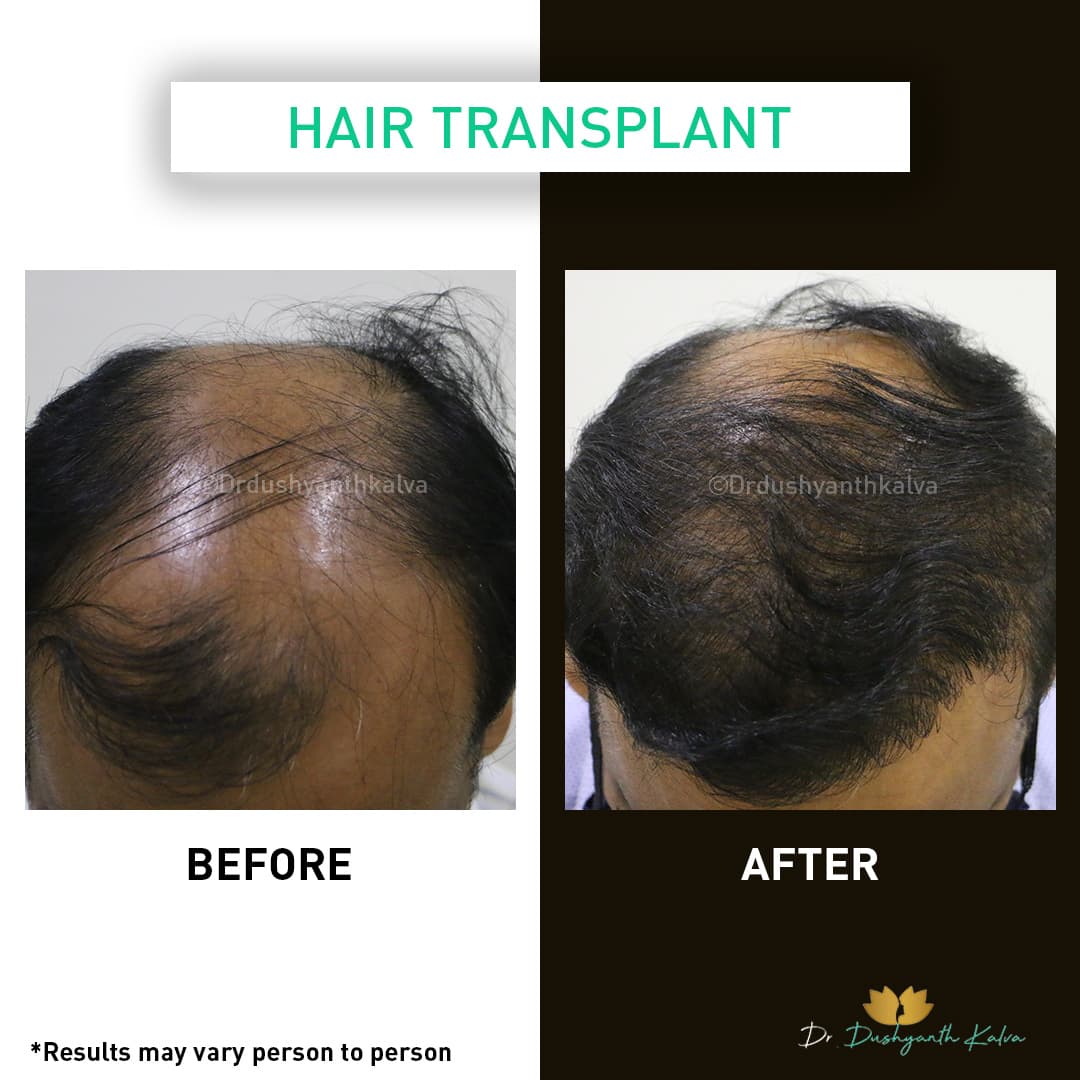
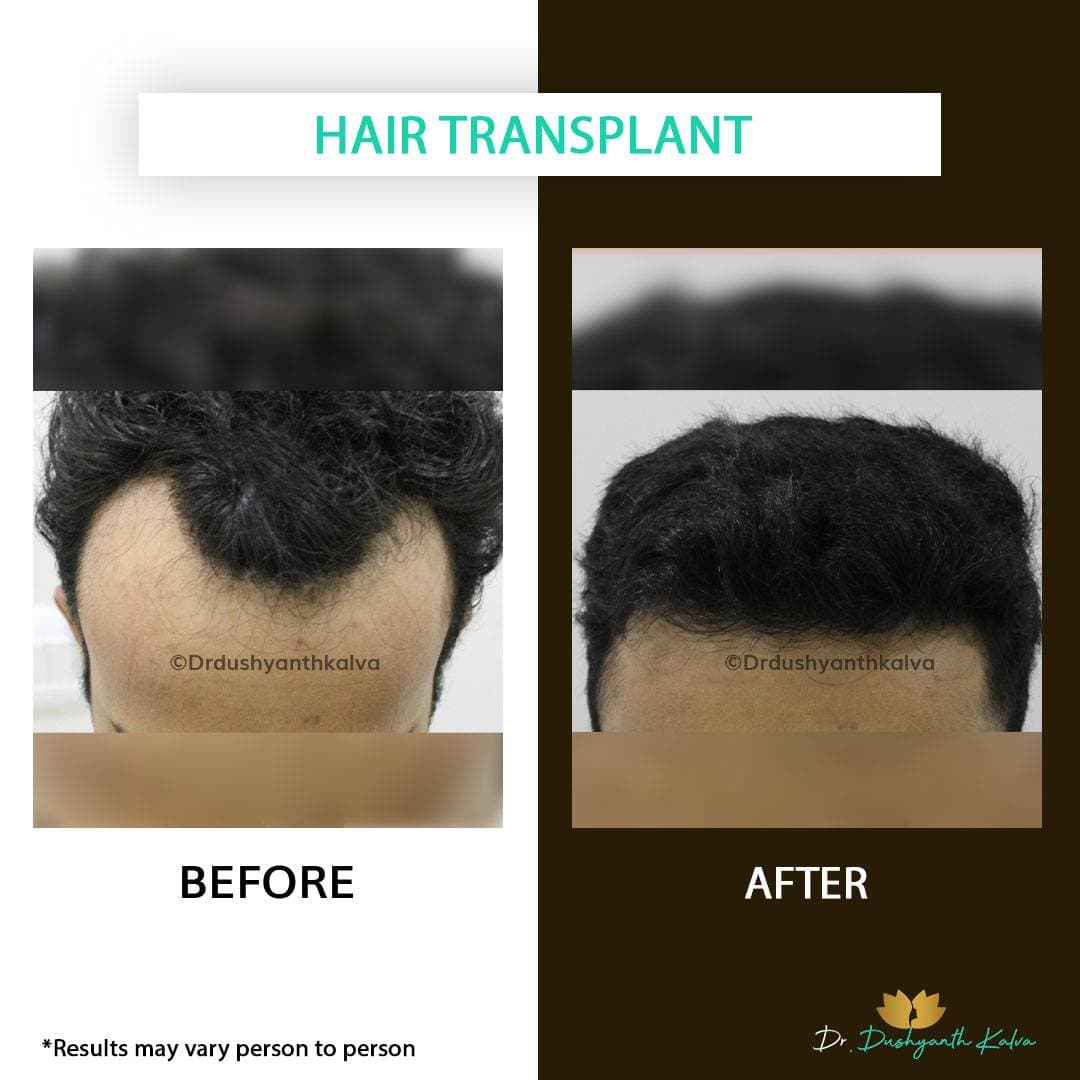
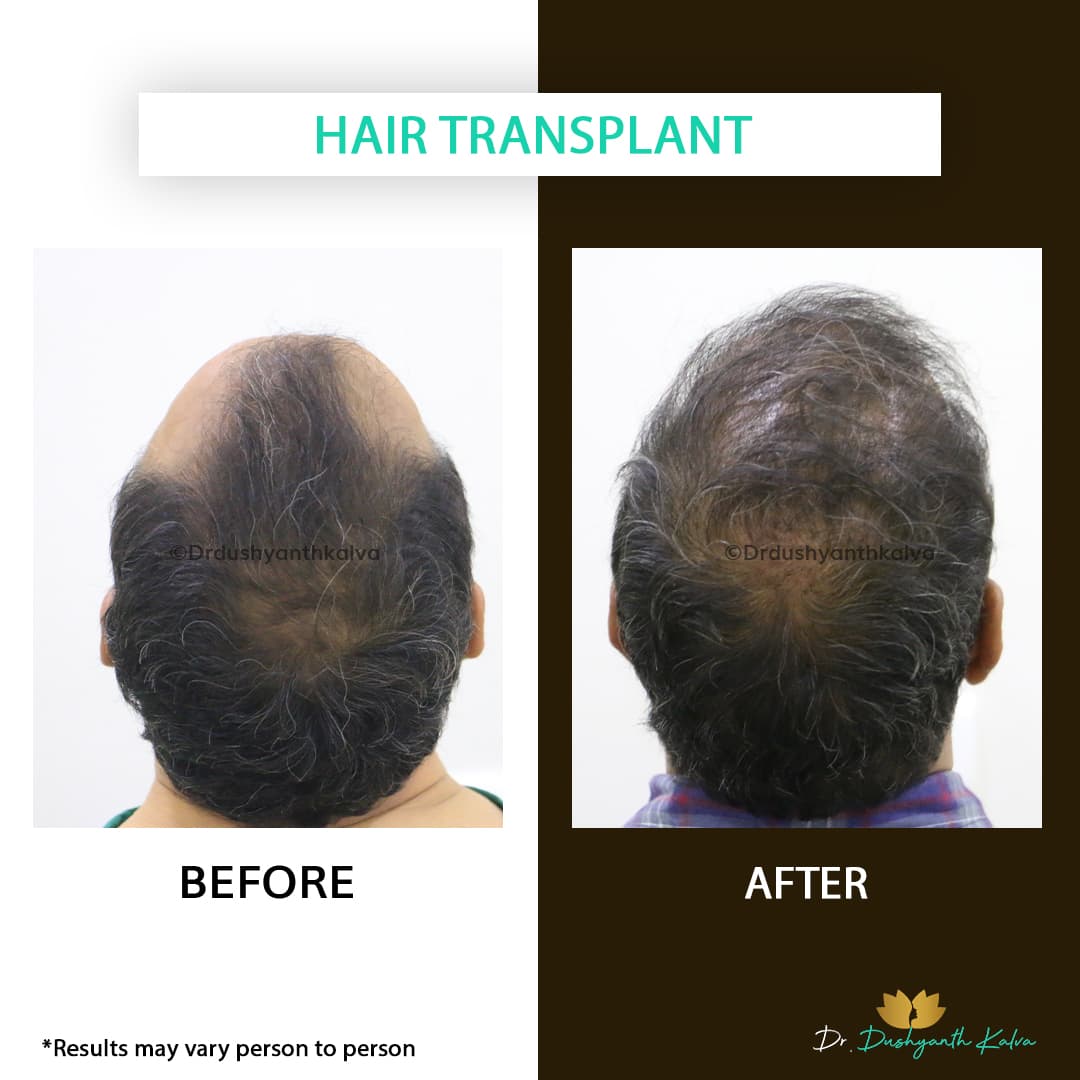
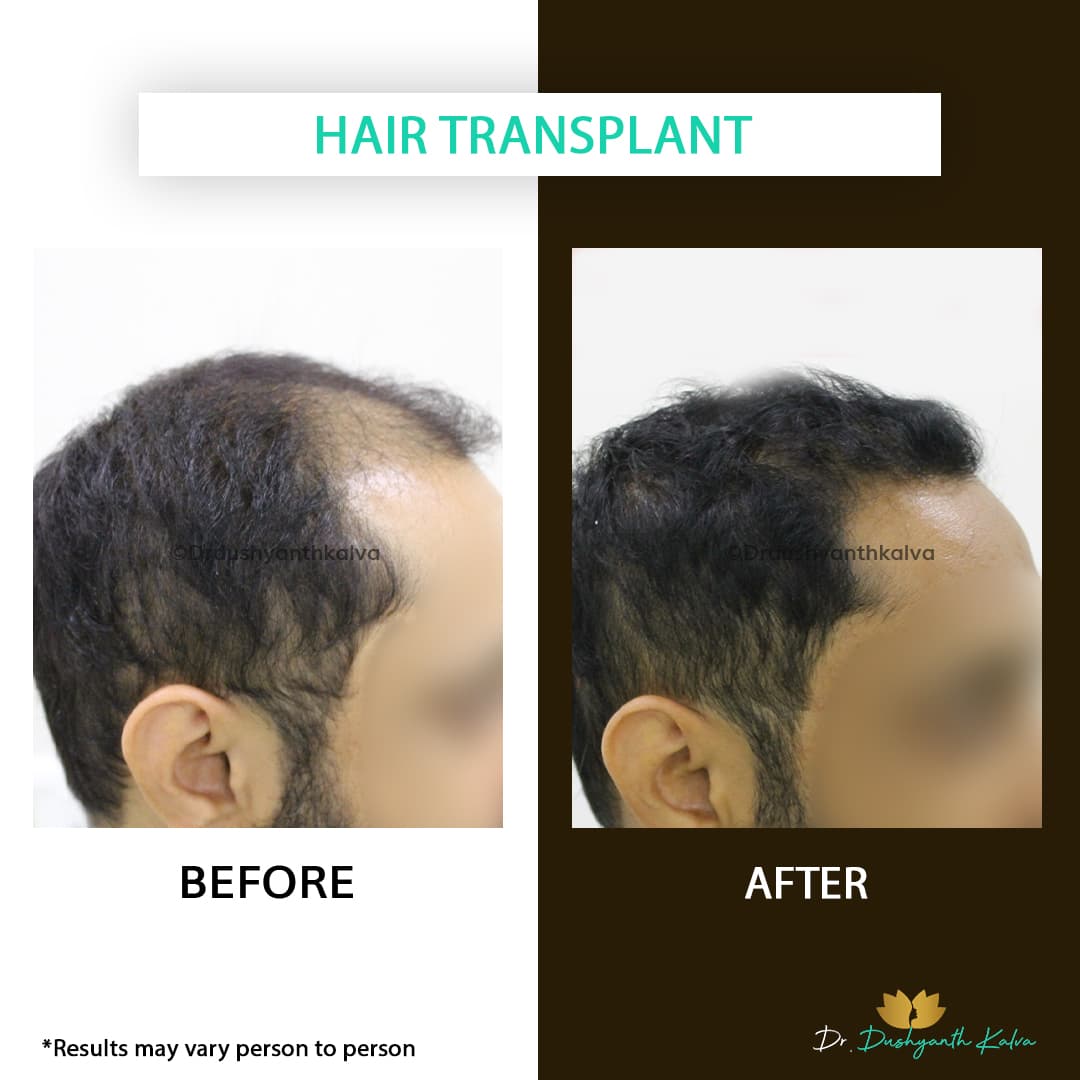
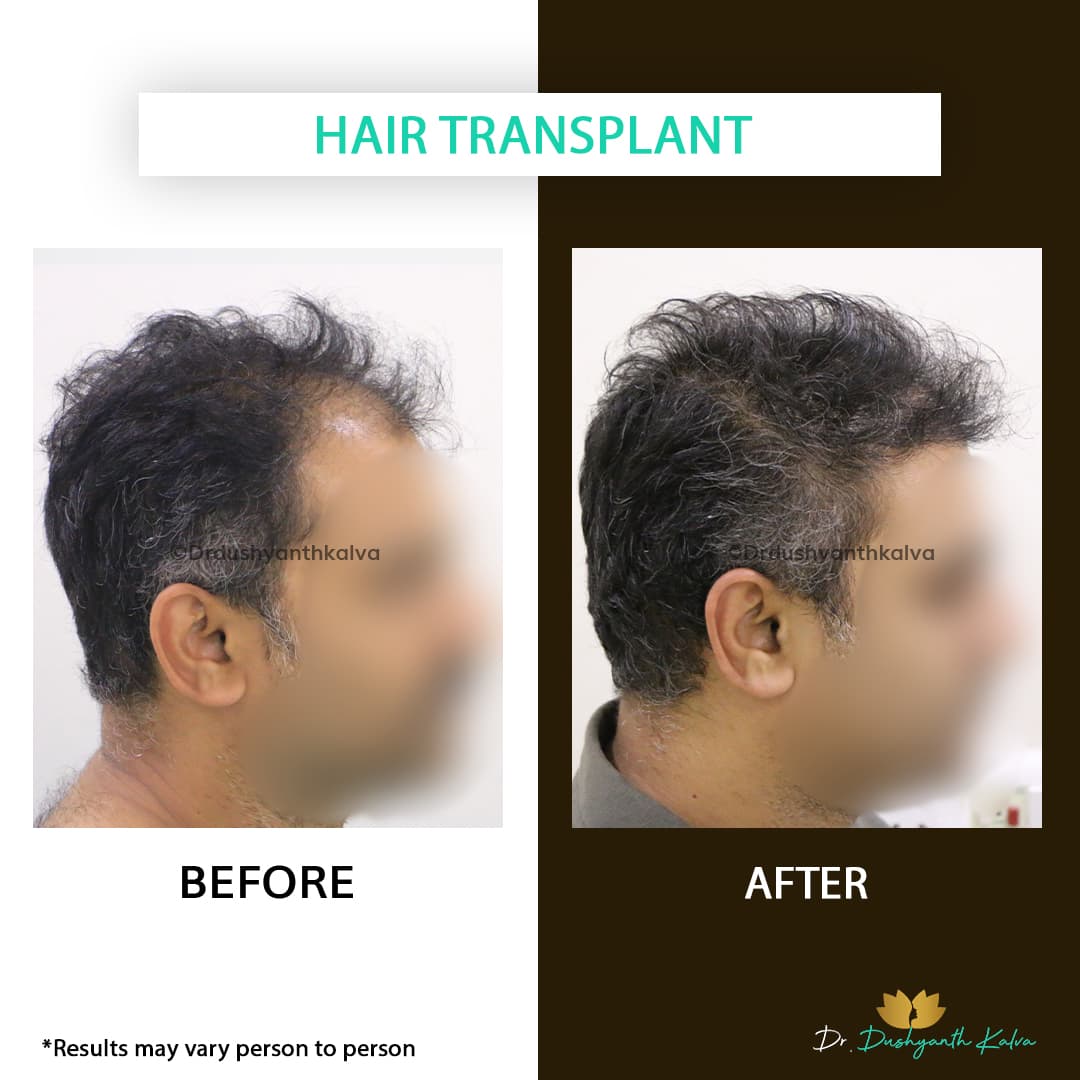
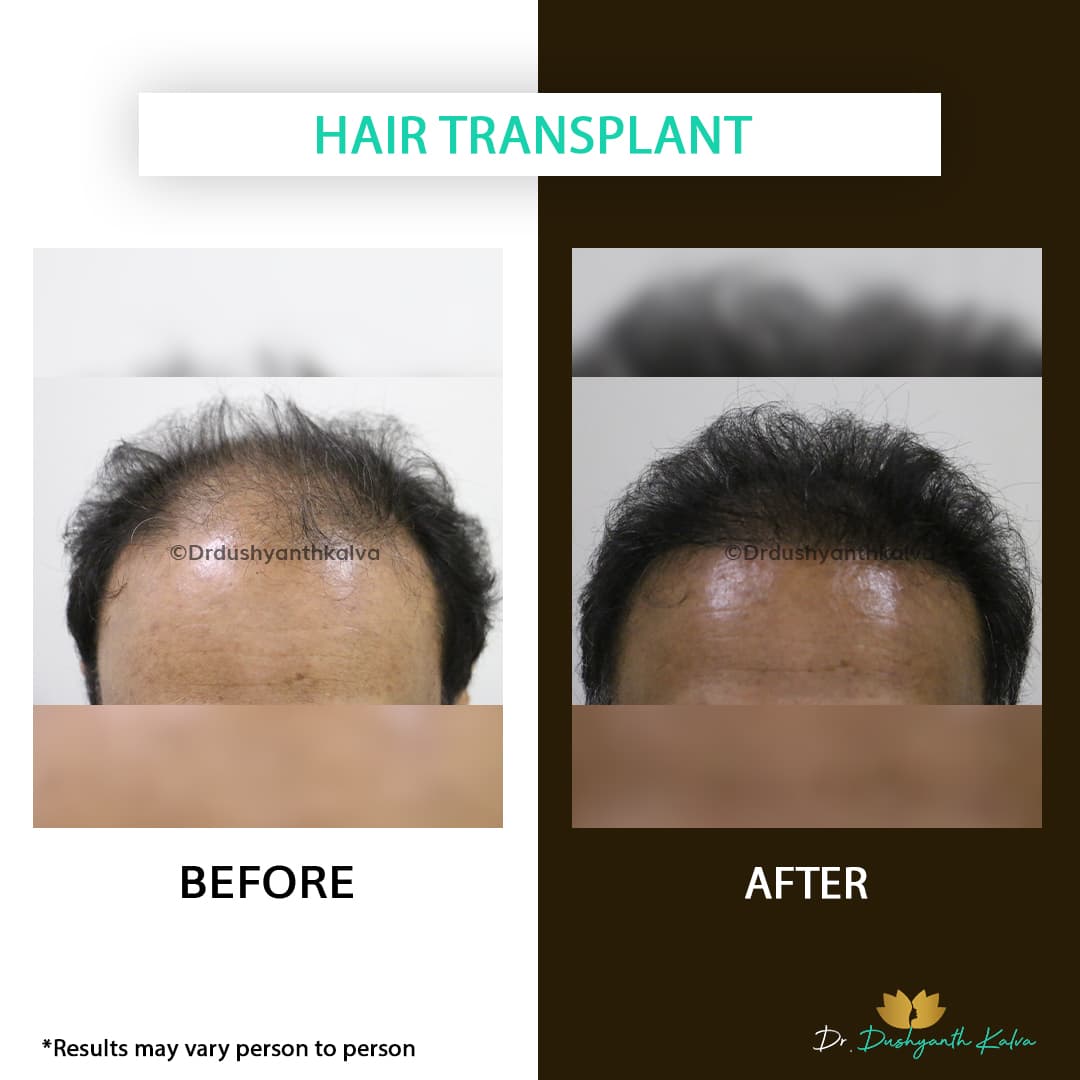
Results shown are from actual hair transplant patients. Individual outcomes vary based on donor capacity, technique, and follow-up care.
Average Treatment Costs
Starting from
₹90,000
Up to
₹2,80,000+
Final cost is confirmed after in-person scalp mapping and donor assessment. Your quote reflects graft count, technique, and target area — no hidden fees.
These are indicative ranges as of 2026. Final quotation is provided after in-person consultation and surgical planning.
Get an accurate quote tailored to your needs.
Request QuoteWhat influences the cost
Technique
FUE, FUT, DHI, or robotic-assisted
Graft count
Coverage area and donor density
Area treated
Scalp, beard, or eyebrow
Maintenance
Medical therapy and follow-up
Payment & EMI
EMI and payment options are walked through once the right scope is confirmed — no commitment required at the consultation. Cosmetic procedures are generally not covered by insurance; where a procedure has a functional or reconstructive component, we will tell you honestly whether a claim is worth pursuing.
Why Choose Dr. Dushyanth?
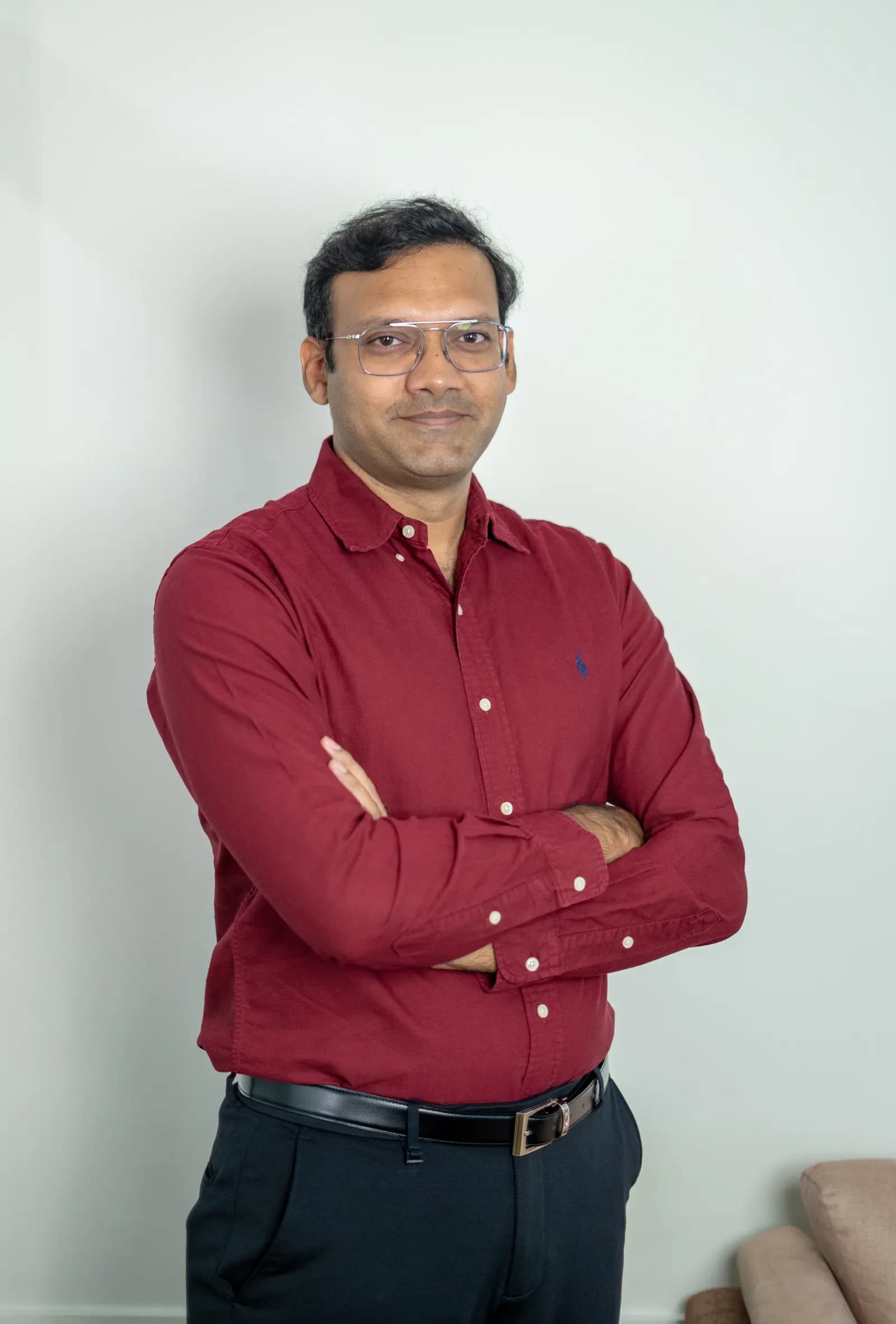
Dr. Dushyanth Kalva
MS, MCh - Plastic & Reconstructive Surgery
Dr. Dushyanth Kalva brings 24+ years of surgical experience to hair restoration with a focus on natural hairline geometry, donor preservation, and long-term planning.
1 Lakh+
Happy Patients
24+ Years
Experience
MCh
Qualification
4.9/5
Google Rating
Extensive experience in FUE, FUT, and advanced restoration planning
Natural, age-appropriate hairline design philosophy
Focus on donor safety and realistic density goals
Structured follow-up from procedure day to one-year evaluation
Frequently Asked Questions
Visit Our Clinic
Inform Clinic - Dr. Dushyanth Kalva
3rd Floor, Park View, Road No. 1, Jubilee Hills
Hyderabad - 500033
Call Us
+91 72749 74974
Timings
10:00 AM - 7:00 PM
By Road
Located on Road No. 1, Jubilee Hills. Ample parking available at Park View building.
By Metro
Nearest metro: Jubilee Hills Check Post (Blue Line). 10-minute walk or short auto ride.
Hair Transplant Guides
In-depth guides on hair transplant, written and reviewed by Dr. Dushyanth Kalva.
Can a Hair Transplant Be Life-Threatening? Rare Risks and Safe Planning
Can a hair transplant be life-threatening? Learn about rare risks, safety checks, warning signs and safer planning before FUE or FUT.
Read guideCan a Hair Transplant Cause Cancer? What Patients Should Know
Can a hair transplant cause cancer? Learn what is known about FUE and FUT, synthetic hair, scalp checks and warning signs that need review.
Read guideTraction Alopecia: What to Do Before Considering a Hair Transplant
Repeated pulling can damage the hairline. Learn why changing the source of tension and confirming the diagnosis come before transplant planning.
Read guideScalp Psoriasis Before a Hair Transplant: What Needs Assessment?
Scalp psoriasis does not create a simple yes-or-no transplant rule. Understand why inflammation, the cause of thinning and treatment history matter first.
Read guideDo You Need a Scalp Biopsy Before a Hair Transplant?
A scalp biopsy is not needed for every transplant consultation. It can help answer a specific diagnostic question when the cause of hair loss is unclear.
Read guideCan a Hair Transplant Damage Existing Hair? Shock Loss, Density and Risk Reduction
A hair transplant may cause temporary shock loss in nearby native hair. Learn the risks, planning steps and warning signs that matter.
Read guide

Ready to Restore Your Hairline?
Book a private hair restoration consultation with Dr. Dushyanth and get a personalized graft plan for natural, lasting density.