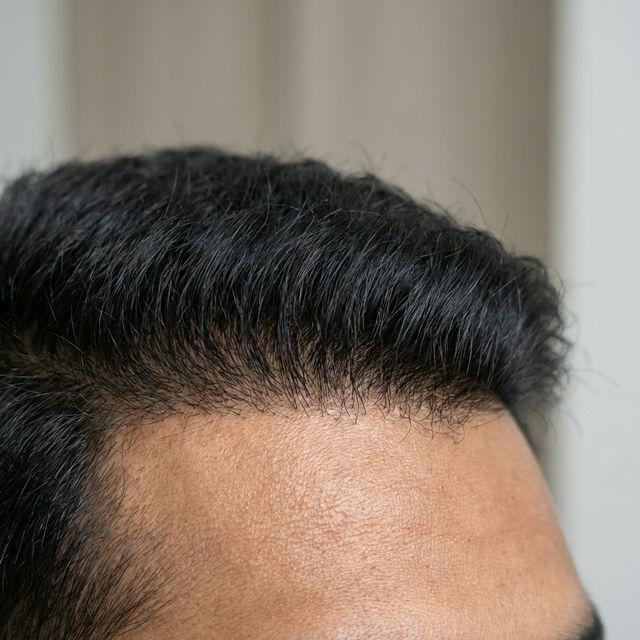
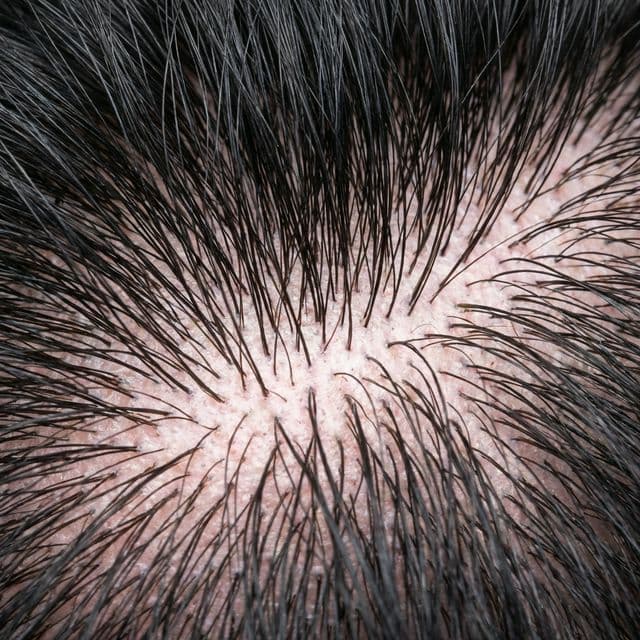
A history of keloid scars does not automatically rule out a hair transplant. It does mean the plan needs more care. A transplant makes many small wounds in the donor area and the area receiving hair. Each wound can heal with a scar. Tell the surgeon about any raised scars you have developed after cuts, acne, ear piercing or previous surgery before choosing a method or booking a date. There is no test or technique that can promise keloid-free healing. A published hair-transplant case report notes that a past keloid is not an absolute ban on surgery, but the risk and the limits of prediction must be explained.
The question is whether the likely benefit of hair restoration is worth the particular scar risk in your skin. The hair transplant service page explains the procedure and general assessment. Here, the focus is the separate decision faced by someone who has already formed a keloid.
What is a keloid, and why does the history matter?
A keloid is a raised scar that grows beyond the edges of the original injury. It may take months to appear or keep growing. It can itch or hurt. A thick scar that stays within the original wound may be a different type, called a hypertrophic scar. The distinction matters because a photograph or a patient label alone may not identify the scar accurately. The NHS guide to keloids explains their appearance and notes that a previous keloid raises the chance of another one after skin injury.
Keloids can follow a cut, surgery, acne or a piercing. The NHS also lists South Asian ancestry among factors associated with a higher likelihood. That does not mean every Indian patient will develop one, or that ancestry can predict how an individual scalp will heal. A personal history is more useful than an assumption based on skin colour. The site and cause of previous scars matter too. A bump after an infected ear piercing is different from repeated raised scars after uncomplicated operations.
An old scar on the chest or ear does not tell a surgeon exactly what will happen on the scalp. It is still an important warning. The safe next step is to have the old scar examined and discuss what kind of scar it is, how it developed, and whether it needed treatment. The American Academy of Dermatology (AAD) advises telling a surgeon about personal or family keloids before an operation.
Does a hair transplant leave scars?
Yes. A hair transplant is surgery involving skin incisions, even when the marks become hard to see. In follicular unit extraction, or FUE, small groups of follicles are taken from the donor scalp through many small openings. In strip harvesting, often called FUT, a strip is removed and the donor wound is closed, leaving a line. Small openings are also made where grafts are placed. The International Society of Hair Restoration Surgery (ISHRS) says FUE avoids a linear donor scar but still creates small circular scars. Calling it scarless would be misleading.
The usual scar pattern and a person's tendency to form keloids are separate questions. Many healed FUE dots or a fine FUT line are ordinary surgical scars. A keloid is an excessive growth beyond a wound. A raised scar can affect appearance and comfort even if hair later grows well. Hair length may hide some marks, but it cannot guarantee that a growing keloid will be invisible.
A large donor harvest means more wound sites. That is why a person with keloid history should ask about the amount of surgery proposed, the donor area and the reason for the graft count. The right plan is based on hair loss, donor supply, skin history and acceptable risk, not the biggest number that can be quoted.
Is FUE safer than FUT if you form keloids?
There is no reliable rule that FUE makes keloid risk disappear. FUE avoids the longer strip incision and its line scar, but each punch creates a wound. FUT creates a different donor wound that may be more noticeable if it heals poorly. The ISHRS specifically warns that using punch excisions does not remove the tendency to form keloids in someone predisposed to them. It also says keloids should be uncommon with either method in the general transplant population. That general statement cannot give a personal risk percentage for a keloid-prone patient.
A published case report of extensive donor-site keloids after FUE shows that the complication is possible. It describes one unusual case, not the frequency of keloids after FUE. It should not be used to frighten every patient or claim that one method is unsafe for everyone. Equally, a clinic's photographs of well-healed FUE patients cannot prove that your own skin will heal the same way.
The clinician should discuss the donor and recipient areas separately. A long donor incision, many small donor wounds and multiple recipient openings all need consideration. Ask what scars each technique can leave, what can be seen with your usual hair length, and how the surgeon would respond if thickening begins. A smaller planned procedure may limit the area exposed to injury, but it cannot remove the underlying tendency.
What should be checked before deciding?
Bring a clear history of scars rather than only a statement that you are “keloid prone”. Photographs from when a scar first grew can help. If possible, show the actual scar. Tell the clinician where each one formed, how long after injury it appeared, whether it crossed the wound edge, whether it still changes, and what treatment it received. Mention close relatives with similar scars. The AAD recommends sharing both personal and family history before surgery.
The surgeon also needs to assess the scalp itself. A raised bump on the back of the head may be a keloid, but other scalp conditions can look similar. Active inflammation, infection or unexplained hair loss needs its own diagnosis before a cosmetic transplant. If the scar type is uncertain, a dermatologist's assessment may help. The surgeon should inspect the donor hair, the intended recipient area and any old scalp surgery scars, rather than deciding from online pictures.
Discuss the reason for hair loss and whether it is likely to continue. A transplant does not stop future thinning of the surrounding natural hair. Spending donor hair and accepting scar risk for a small immediate change may be a poor trade if the pattern is still changing. The decision should include realistic coverage, possible future treatment and the option to wait.
A useful conversation includes the following questions:
- Was my old mark truly a keloid, or another raised scar?
- Have I formed raised scars at several sites, or only after one complicated wound?
- What wounds would your proposed FUE or FUT plan make in my donor and recipient areas?
- How visible could a thickened donor scar be with my usual haircut?
- What would make you recommend delaying or avoiding surgery?
- Who should I contact if a scar starts to thicken after the procedure?
These questions do not replace an examination. They help make the risk discussion specific enough to support a decision.
Can a test patch predict safe healing?
Sometimes a clinician may discuss a very small test area or limited first session before a larger transplant. The idea is to observe healing rather than commit to many wounds at once. The AAD mentions a test spot as an option for some cosmetic procedures in people concerned about keloids. The hair-transplant case report also discusses a test patch, but cautions that its ability to predict the outcome is doubtful.
A well-healed test area is reassuring only for that small area and observation period. It does not prove that thousands of later incisions will heal identically, or that a keloid cannot appear later. A poor result can be useful evidence against a larger operation. Ask how long the team would observe it, what they would look for, and whether the test itself could leave a scar. Do not accept a test patch as a guarantee.
Can keloids be prevented after a transplant?
No method reliably prevents every keloid. The AAD advises that people prone to keloids can reduce risk through planning, careful wound care and prompt attention to thickening, but cannot always prevent one. A surgeon and dermatologist may consider a personalised prevention and follow-up plan. The choice depends on wound location and healing. Measures used on ears, chest scars or large skin wounds should not automatically be copied onto a newly grafted scalp.
Silicone products, pressure treatment and injections may have a role in scar care in selected circumstances. They are not a home protocol for fresh grafts. For example, placing a silicone sheet over an unhealed recipient area could interfere with aftercare; the AAD treatment guide says silicone sheets should not go on an open wound or scab. Follow the transplant team's wound instructions, and ask a dermatologist before putting scar products on the donor or recipient scalp. Do not start injections, pressure dressings or creams because a web article mentioned them.
Early review is important. The AAD advises contacting a dermatologist if a surgical scar starts to thicken. A keloid may grow gradually, so a new firm ridge or enlarging raised patch deserves assessment even if it is not painful. Treatment may be easier to plan when a change is noticed early. That is different from assuming every early bump is a keloid; crusts, temporary swelling and small inflamed follicles can occur after a transplant and need a clinician to distinguish them.
When should you seek help after surgery?
Contact the operating team if a donor or recipient area develops a new raised patch that keeps enlarging, becomes itchy or painful, or extends beyond the wound. Ask for a dermatologist's review if the diagnosis is unclear. Photographing the change over time can help the clinician see whether it is growing, but do not postpone a visit to gather photographs.
Fever, spreading redness, increasing warmth, pus or worsening pain soon after surgery may point to infection or another complication rather than a keloid. Contact the treating team promptly; seek urgent medical care if you feel very unwell or the symptoms are rapidly worsening. University College London Hospitals guidance lists these as signs of a possible surgical wound infection and advises immediate medical advice if one is suspected. Do not wait months on the assumption that all post-operative changes are scar formation. The NHS keloid page describes keloids as scars that tend to grow over months or years, which is a different pattern from an acute infection.
What if the risk feels too high?
You can decide against an elective transplant. That is a reasonable outcome of a consultation, especially if previous keloids have been severe, painful or difficult to treat. Medical treatment for the underlying hair loss, styling choices, a hairpiece or other non-surgical approaches may be worth discussing. Each has limits. Ask a dermatologist before considering any other cosmetic procedure that injures the skin; the AAD guidance notes that such procedures may trigger a keloid in someone prone to them.
If you do choose surgery, make sure the clinician explains the possible scar outcome as clearly as the expected hair result. Agree on how the donor area will be examined later and who will assess any thickening. An experienced team may lower avoidable problems through planning and follow-up, but it cannot promise how your skin will scar.
FAQs
Does one ear-piercing keloid mean I cannot have a hair transplant?
No automatic rule follows from one ear scar. It is still important to show it to the surgeon. The diagnosis, severity, cause and any other scars help shape a personal risk discussion. A scalp operation creates different wounds, and its outcome cannot be predicted from the ear alone.
Is a hair transplant into an old keloid the same question?
No. Transplanting grafts into an existing scar asks whether that tissue can support hair growth. This article asks whether new transplant wounds might produce raised scars in someone with a keloid history. Both issues can matter if the old scar is on the scalp. The separate guide to transplantation into scar tissue covers the first question.
Can a surgeon guarantee no keloid with small FUE punches?
No. FUE wounds are small, but they are still skin injuries. The ISHRS says punch excisions do not remove an individual's keloid tendency. A careful technique and a small test area may inform planning; neither guarantees the outcome.
Should I treat a thickening scalp scar myself?
Arrange a clinical review. A growing scar, infection and other scalp conditions need different care. Do not put silicone, pressure devices or medicines onto fresh grafts without the treating team's advice. The AAD recommends early dermatologist contact when a surgical scar begins to thicken.
Practical takeaway
A previous keloid is a reason to slow down and assess, not an automatic “yes” or “no” to a hair transplant. Confirm the old scar's diagnosis, discuss both donor and recipient wounds, and understand that FUE is not scarless. A test area may add information but cannot promise a safe larger procedure. If the scar risk is unacceptable to you, waiting or choosing a non-surgical approach is valid. For procedure details and an individual assessment, see the hair transplant service information.
References
- NHS: Keloid scars
- American Academy of Dermatology: Keloid self-care
- American Academy of Dermatology: Keloid diagnosis and treatment
- International Society of Hair Restoration Surgery: Strip harvesting and FUE
- Peer-reviewed case report: Extensive donor-site keloids after FUE
- University College London Hospitals: Preventing surgical wound infections