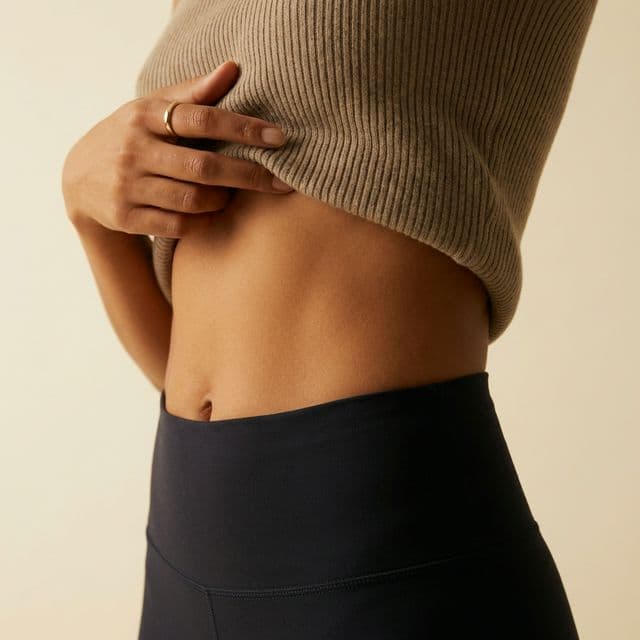
A tummy tuck, also called abdominoplasty, changes the abdominal skin and sometimes the muscles underneath it. During the first days and weeks, your tummy may feel tight, sore and swollen. You may also have dressings, a compression garment or drains. The right clothes can make movement, toileting, bathing and rest easier.
The simple answer is to choose loose, soft clothing that opens at the front or side and does not rub the incision. Elastic waistbands should sit well above or below the wound, not directly across it. If your surgeon has advised a compression garment, wear the type and size recommended by the surgical team. Do not use a tight shapewear garment as a substitute.
This guide is general information. Your own operation, incision, drains, dressings and medical conditions decide what is safe for you. If you are planning surgery, read the tummy tuck treatment information for Hyderabad patients and discuss your clothing plan during consultation.
Why clothing matters after a tummy tuck
After abdominoplasty, the lower abdominal incision needs to stay clean, dry and free from pressure. You may stand slightly bent at the hips at first because the skin and abdominal wall feel tight. Bending, pulling trousers up and stepping into narrow clothing can be uncomfortable.
Clothing does not heal the wound by itself. It cannot prevent every complication and it cannot improve the result beyond what the operation and your healing allow. Its job is practical: reduce rubbing, make movement easier and allow the care team to check the wound when needed.
The NHS notes that patients may leave hospital with dressings and a pressure garment or tummy-control pants. The American Society of Plastic Surgeons also explains that a surgeon may use an elastic bandage or compression garment to limit swelling and support the abdomen while it heals. The exact plan differs between patients.
What to wear in the first few days
Loose front-opening tops
Button-front shirts, loose kurtas with an easy opening, zip-front tops and light cardigans are usually easier than tight T-shirts. You may not want to lift clothing over your head when your abdomen is sore or when your movement is limited.
Choose soft cotton or another breathable fabric. Avoid rough seams, stiff waistlines and decorative details that can press on the abdomen. Keep at least two or three clean options ready because you may sweat, spill fluids or need to change a dressing.
Loose trousers or pyjama bottoms
Drawstring trousers, wide-leg pyjamas and soft lounge pants are often more comfortable than jeans or fitted leggings. Pick a waistband that does not cross the incision. Some patients prefer a higher, loose waistband; others find a low, loose waistband more comfortable. The correct position depends on where the incision and garment sit.
Do not force yourself into clothing that needs repeated bending, pulling or twisting. Ask someone to help if you are not steady on your feet.
Slip-on footwear
Slip-on sandals or shoes can reduce bending. Use footwear with a good grip, especially when getting up at night. Avoid loose slippers that may make you trip. Walking short distances, as advised by your surgeon, is part of recovery, so safe footwear matters.
A light layer for hospital or clinic visits
Hospitals and cars can feel cool even in Hyderabad’s warm weather. A light, front-opening layer is useful. Avoid heavy clothing that is difficult to put on or remove around dressings and drains.
Compression garments: follow the surgical plan
A compression garment is a close-fitting medical garment or abdominal binder. It may support the abdomen and help control swelling, but it must be used as directed. ASPS lists questions patients should ask about how long to wear the pressure garment. The NHS describes a corset or tummy-control pants being used for a period of recovery, but timelines are not identical for every patient.
A garment should feel supportive, not painfully tight. It should not cause marked numbness, increasing pain, skin colour change, breathing difficulty or a feeling that circulation is being restricted. If it rolls into the incision, digs into the wound or becomes wet, contact the team for advice rather than adjusting it aggressively.
Do not buy a smaller size because you think more pressure will give a faster result. Do not add a second binder, waist trainer or firm shapewear layer unless your surgeon specifically tells you to. Too much pressure can irritate skin and make wound checks difficult.
Your surgeon may ask you to remove the garment for washing, showering or wound care. Keep it clean and dry. If you have only one garment, ask before surgery how it should be washed and how you will manage while it dries.
Clothing when you have drains or dressings
If drains are used, the tubing and collection bulb need to stay secure and free from pulling. Front-opening clothes or loose tops can make this easier. Some patients use a small clean pouch or pocket designed for drains, but use only what your team approves. Never pin a drain in a way that pulls on the tube or hides a change in drainage.
Wide, loose clothing can cover the bulb without pressing it. Keep the drain visible enough to measure and record output if your team has asked you to do this. Before changing clothes, check that the tubing is not caught on a waistband, chair or bedrail.
Do not place powder, perfume, oil or cream near the incision or drain opening unless prescribed. These products can irritate healing skin or make the dressing less secure.
What to wear for sleeping
Many patients are more comfortable sleeping slightly bent at the hips in the early period. Your surgeon or nurse will explain the safest position for your operation. Loose sleepwear with no hard buttons or thick seams across the abdomen can reduce pressure.
Keep a clean change of nightwear near the bed. A robe or front-opening layer can help when you need to walk to the toilet. Arrange a clear route, night light and stable footwear so that you do not rush or trip.
Do not sleep in a garment that makes it hard to breathe, causes pain or shifts over the wound. If your team has given specific advice about wearing compression overnight, follow that advice and report any problem with fit.
Bathing, washing and changing clothes
Your surgeon will tell you when you can shower and how to protect dressings. Do not soak in a bath, swimming pool or hot tub until the wound is healed and the team has cleared it. Keep dressings dry if instructed. Do not remove adhesive strips, glue or dressings just because they feel tight.
Before changing, wash your hands and prepare the new clothes. Sit down if you feel weak. Move slowly and avoid stretching the abdomen. If a family member is helping, ask them to support the clothing rather than pulling on your body or drain tubing.
Clothes that touch the wound should be clean. Avoid fabric softeners or strong fragrances if your skin is sensitive. If clothing becomes damp with sweat, blood or wound fluid, change it and contact the team if the fluid is more than expected.
Dressing for Hyderabad weather
Hot, humid weather can make a compression garment and several clothing layers uncomfortable. Choose breathable outer clothing and keep the room cool, but do not stop a prescribed garment without asking your surgeon. Sweat that stays against a dressing or incision can irritate the skin.
Use shade and clothing to protect a healing scar from direct sun. Do not apply sunscreen, scar products or home remedies to a fresh incision unless your clinician has said it is safe. Once the wound is fully healed, ask the team about scar protection and sun care.
If you need to travel across Hyderabad for follow-up, wear clothes that allow easy sitting and do not press on the abdomen. Keep medicines, wound instructions, a water bottle and any drain records with you. Do not drive until your surgeon says you can do so safely and you are not affected by pain medicines.
A simple clothing checklist before surgery
- Two or three loose front-opening tops.
- Soft drawstring trousers or pyjamas without a tight waistband.
- Clean cotton underwear that does not rub the incision.
- Slip-on footwear with a secure sole.
- A light layer for air-conditioned rooms and travel.
- Extra clean clothes for the first night and clinic visits.
- A clean bag or pouch for approved drain supplies.
- Easy access to washing facilities and a place to dry a compression garment.
Wash new clothes before use. Put daily items at waist or shoulder height so you do not need to bend repeatedly. Ask the person helping you at home to learn the drain and dressing instructions from the clinical team rather than guessing.
Clothing choices that can cause problems
Very tight jeans, firm shapewear, underwired clothing that presses on the abdomen, rough fabric and clothing that needs forceful pulling are poor early choices. They can rub, increase discomfort or make it harder to notice wound changes.
A loose garment is not automatically safe if it drags across an open wound or catches on a drain. A compression garment is not automatically safe if it is the wrong size or used for longer than advised. Fit, cleanliness and the surgeon’s instructions matter more than the label on the clothing.
Do not use clothing to hide a problem. Increasing one-sided swelling, bleeding, fluid leakage, severe pain or a new bad smell should be assessed. Changing into a larger shirt does not make a wound complication safe to watch at home.
When to contact your surgical team
Contact your clinic promptly if the incision becomes more red, hot, swollen or painful, or if you see pus, a bad smell, persistent bleeding or a sudden increase in wound fluid. A fever or feeling unusually unwell also needs medical advice.
Seek urgent care for chest pain, difficulty breathing, fainting, coughing blood or painful swelling in one leg. These symptoms can have causes unrelated to clothing, but they should not wait for a routine review.
If a garment causes numbness, blue or pale skin, severe pressure, blistering or worsening pain, remove or loosen it only as your team has instructed and call for advice. If you are unsure, send a photograph of the garment position or wound only through the approved clinic channel.
Frequently asked questions
Can I wear normal clothes after a tummy tuck?
You can usually return to normal clothes in stages, but the timing depends on comfort, wound healing, swelling and your surgeon’s advice. Start with loose clothing. Return to fitted clothes only when they do not press, rub or make movement difficult.
How long do I need to wear compression after abdominoplasty?
There is no single schedule for every patient. Some teams advise a pressure garment for several weeks, while the exact duration depends on the operation, swelling, skin condition and surgeon preference. Follow your own written plan instead of copying another patient’s schedule.
Can I wear leggings after a tummy tuck?
Leggings may feel too tight in the early period, especially if the waistband crosses the incision. If you later wear them, they should be clean, comfortable and easy to remove. Stop if they cause rubbing, pressure, numbness or increased pain.
What should I wear home after tummy tuck surgery?
Wear a loose front-opening top, soft trousers with an adjustable waistband and secure slip-on shoes. Take the clothes recommended by your team into account, especially if you will leave with dressings, a pressure garment or drains.
Can clothes damage a tummy tuck scar?
Clothing can irritate a healing incision if it rubs, presses or catches on it. It does not usually change the final scar by itself. Keep the area clean, follow wound instructions and protect the scar from sun once your surgeon confirms the wound is healed.
Can I wear a waist trainer instead of a medical compression garment?
No. A waist trainer is not the same as a prescribed post-operative garment. It may apply uneven or excessive pressure and can make wound checks difficult. Use only the binder or compression garment approved by your surgical team.
Final takeaway
The best clothing after a tummy tuck is clean, soft, loose and easy to open. Front-opening tops, adjustable trousers and safe slip-on footwear can make the first days simpler. A prescribed compression garment may support healing, but it should fit correctly and be worn for the advised period.
Plan clothes before surgery, keep drains and dressings free from pulling, and do not use clothing to cover warning signs. If you are considering abdominoplasty, review the tummy tuck procedure, recovery and safety information and ask your surgeon exactly what you should wear, how long to use compression and when you can return to fitted clothes.
References
- American Society of Plastic Surgeons: Tummy tuck recovery
- NHS: Tummy tuck (abdominoplasty)
- Cleveland Clinic: Tummy tuck: surgery, recovery, risks and results
- Chelsea and Westminster Hospital NHS Foundation Trust: Abdominoplasty surgery patient leaflet
- American Society of Plastic Surgeons: The importance of compression after plastic surgery