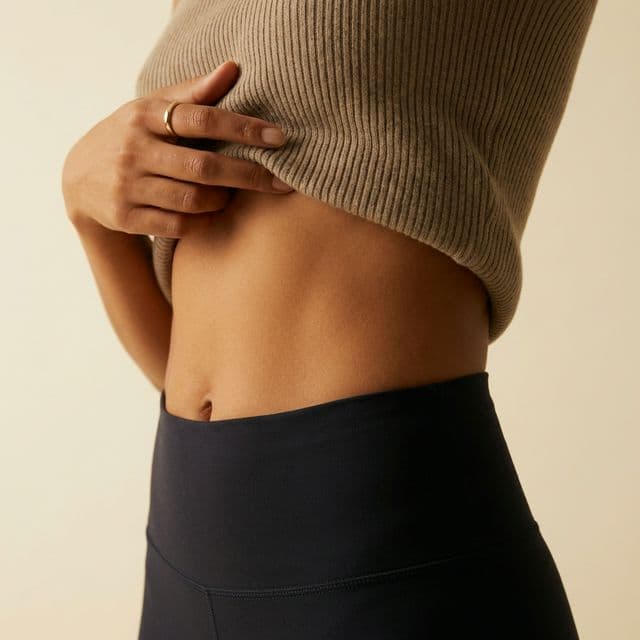
An extended tummy tuck is a form of abdominoplasty that removes loose skin from the abdomen and continues farther towards the sides of the body than a standard tummy tuck. It may help when excess skin extends over the flanks or love-handle area, especially after major weight loss. It is not chosen only because someone wants a smaller waist, and it is not a weight-loss operation.
The exact design is different for each patient. A surgeon must assess the amount and direction of loose skin, weight stability, muscle separation, scars, medical conditions, smoking or nicotine use, and the result you want. In Hyderabad, a face-to-face examination is important because photographs alone cannot show how far skin excess continues around the sides or back.
What is an extended tummy tuck?
A standard or full tummy tuck mainly treats the front of the abdomen. The lower incision may run from one hip area to the other, and the belly button is usually repositioned when the upper abdominal skin is tightened. The surgeon may also repair separated or weakened abdominal muscles when this is suitable.
An extended tummy tuck uses a longer incision so the surgeon can address excess skin that continues beyond the front of the abdomen and towards the flanks. In some patients, the plan may extend farther around the back. The aim is to improve the transition between the abdomen, waist and sides rather than leave a large roll of loose skin at the edge of a shorter operation.
The term can be used in different ways. Some surgeons use “extended abdominoplasty” for an incision that reaches the flanks and hips. A circumferential abdominoplasty or lower body lift goes farther around the body and is a broader body-contouring operation. These are not interchangeable terms, so ask exactly which areas and scars are included in your plan.
Why might someone need an extended rather than standard tummy tuck?
The main reason is the pattern of skin excess. After a large weight change, skin may hang across the front and continue around the sides. Pregnancy, ageing, previous surgery and changes in body size can also leave loose tissue, but not everyone with loose abdominal skin needs an extended operation.
An extended approach may be discussed when:
- Loose skin extends from the lower abdomen towards the flanks or hips.
- A shorter lower-abdominal scar would leave a noticeable fold at each end.
- The patient has reached a stable weight after major weight loss.
- The person is healthy enough for a longer operation and a longer wound.
- The goal includes improving side contour, not only the front of the abdomen.
This does not mean the extended operation is automatically better. A longer scar and wider treatment area also mean more wound to heal and a recovery plan that must be taken seriously. The safest option is the smallest operation that can address the actual problem well.
Who may be a suitable candidate?
Candidacy is decided after examination, medical history and discussion of goals. In general, surgeons look for a person who is physically well, close to a stable weight and able to follow the recovery plan. If you are still losing a large amount of weight, it may be sensible to wait until your weight has settled.
A consultation should include questions about diabetes, blood pressure, heart or lung disease, previous blood clots, medicines, allergies, past operations and plans for pregnancy. Nicotine from cigarettes, vaping or other products can reduce blood flow and increase wound-healing problems. You should give the surgeon an honest history, even if a detail feels unrelated to cosmetic surgery.
An extended tummy tuck is usually not a good solution for someone who wants general weight loss or has a large amount of internal abdominal fat. It also cannot remove every stretch mark, correct every body proportion or guarantee a flat abdomen at every weight. A surgeon should explain these limits before you decide.
For a broader overview of tummy-tuck options, recovery and safety, read the tummy tuck guide before your consultation. The service page should support your planning, but it cannot replace an examination.
What areas can it change?
The operation mainly removes selected loose skin and may improve the contour of the lower abdomen, waist and flanks. Depending on the anatomy, the surgeon may tighten separated abdominal muscles and reposition the belly button. Liposuction may sometimes be discussed for localised fat, but this is a separate decision and does not turn loose skin into tight skin.
An extended tummy tuck does not directly treat every part of the back, buttocks or thighs. If loose skin goes all the way around the lower trunk, a circumferential body lift may be considered instead. If the main concern is an overhanging fold below the abdomen without muscle repair or upper-abdominal tightening, a panniculectomy is a different procedure. The names matter because the benefits, scars and risks differ.
How is an extended tummy tuck planned?
1. Examination and goal setting
The surgeon examines you standing and lying down. They may assess skin quality, the amount of tissue that can be pinched, muscle separation, scars, the belly button and the way skin excess continues towards the sides. Tell them which clothing or movement problems matter to you and which changes you do not want.
2. Marking the likely scar
The expected scar is discussed and marked based on your body and the amount of skin to remove. It may sit low on the abdomen and extend farther towards the hips than a standard tummy-tuck scar. The scar can be long, and even when it is placed under underwear, its final visibility cannot be promised.
3. Choosing muscle repair and other procedures
Muscle tightening is not needed in every patient and is not the same as removing fat. If there is muscle separation, the surgeon explains whether repair is useful and safe. Combining procedures can increase operating time and recovery demands, so a plan should be based on your health and the clinical need rather than on doing everything at once.
4. Discussing anaesthesia, stay and support
This is major surgery and is generally performed under general anaesthesia. The expected operating time, hospital stay, drains or dressings, pain control, blood-clot prevention and follow-up should be explained. Arrange an adult to take you home and stay with you at first. You may need help with children, cooking, bathing and work for several weeks.
What is recovery like?
Recovery varies with the operation, your health and whether other procedures are done. In the early days, tightness, bruising, swelling, pain, numbness and difficulty standing fully straight can occur. You may be asked to walk gently while avoiding strain. The surgeon will tell you how to care for the wound, when to shower, how to use compression garments and when to increase activity.
Many people need several weeks away from physically demanding work and exercise. Driving should wait until you can move comfortably, react safely and are no longer affected by medicines that impair alertness. Do not use a general online timeline as permission to lift, stretch or return to the gym. Your wound and follow-up examination should guide the pace.
Swelling can hide the contour for months. The scar usually changes gradually and may stay firm, red, darker or lighter than nearby skin before it settles. Some numbness can last for months and may not fully disappear. Final healing is not judged in the first few days, and a small area of unevenness does not automatically mean that the result has failed.
What are the risks?
The risks are similar to other abdominoplasty operations, but a longer incision and wider treatment area can make wound care and healing more demanding. Possible problems include bleeding, infection, fluid collection, wound separation, delayed healing, skin or fat loss, numbness, persistent pain, unfavourable scars, asymmetry, recurrent looseness and the need for revision.
A blood clot in a leg or lung is an important risk with major surgery. Risk reduction may include early walking, compression, medicine to prevent clots and careful selection of the patient. The plan depends on your medical history. Severe breathlessness, chest pain, coughing blood or a swollen painful leg needs urgent medical attention.
Call the surgical team promptly for increasing redness, warmth, swelling, fever, worsening pain, foul-smelling drainage, heavy bleeding, a wound that opens, or a sudden change in the colour of the skin. Do not wait for a routine appointment if you feel seriously unwell.
What the operation cannot do
An extended tummy tuck improves selected loose skin and body contour. It does not replace nutrition, activity or treatment for obesity. It cannot stop future weight gain, prevent future pregnancy changes or remove all abdominal fat. It may not correct cellulite, stretch marks outside the removed skin, a large hernia or loose skin on every part of the body.
The result also depends on healing. Weight changes, ageing, pregnancy, smoking, poor wound care and medical problems can affect the shape and scar. A responsible consultation should include what may remain after surgery, not only what may improve.
Extended tummy tuck after major weight loss
People who have lost a large amount of weight may have loose skin in more than one direction. The abdomen, sides, back, pubic area, arms and thighs may each need separate assessment. It may be safer to stage body-contouring procedures rather than combine several long operations. Weight should usually be stable, nutritional problems should be addressed and the surgeon should understand any history of bariatric surgery.
Ask whether the proposed operation is an extended abdominoplasty, a lower body lift or another body-contouring plan. Ask where the scar will run, which skin will be removed, whether the belly button will be moved, whether muscle repair is planned and what remains untreated. Clear drawings and a written plan can prevent confusion.
Questions to ask at your consultation
- Why do you recommend an extended design for my skin pattern?
- Where exactly will the scar start and end, and how will it look in normal clothing?
- Are you recommending an extended tummy tuck, circumferential body lift or another procedure?
- Will the belly button move, and is muscle repair needed in my case?
- What are the risks of wound problems, fluid collection and blood clots for me?
- How long should I plan for help at home and time away from work?
- What symptoms should make me call the clinic or seek emergency care?
- If I am not happy later, how do you assess and manage a revision?
Frequently asked questions
Is an extended tummy tuck the same as a 360 tummy tuck?
Not always. An extended tummy tuck usually reaches farther towards the flanks or hips than a standard tummy tuck. A circumferential abdominoplasty or lower body lift can continue around much more of the body. Ask your surgeon to show the planned areas and scar.
Does an extended tummy tuck remove more fat?
Its main purpose is to remove loose skin and improve contour. Liposuction may be considered for selected fat deposits, but it is a separate decision and is not a substitute for weight loss.
Is an extended tummy tuck more painful?
It may feel more demanding because the treated area and incision are larger, but pain differs between patients. Your surgeon should explain pain control, movement, sleep positions and warning signs instead of promising a fixed experience.
How long does an extended tummy tuck last?
The removed skin does not grow back, but the body continues to age and weight can change. A stable weight supports a more lasting contour. Pregnancy can also stretch the skin and abdominal wall again.
Can I have an extended tummy tuck after pregnancy?
It may be considered after recovery from pregnancy when your weight is stable and you have finished family planning, but timing is individual. Pregnancy after surgery can alter the result, so discuss your plans honestly.
Will the scar be hidden?
The scar is usually planned in an area covered by common underwear, but an extended operation may make it longer towards the sides. It can fade but remains permanent. Ask to see healed scars from suitable patients and discuss your own tendency to form thick or dark scars.
Practical takeaway
An extended tummy tuck may suit a person whose loose abdominal skin continues towards the flanks or hips, especially after major weight loss. It is major surgery with a longer scar, a real recovery period and risks that need personal assessment. The right operation is based on anatomy and health, not on a label or a promise of a smaller waist.
When you are ready to discuss your own skin pattern, recovery needs and alternatives, arrange a tummy-tuck consultation with a qualified plastic surgeon in Hyderabad. Take your medical history, medicines, weight-change timeline and questions to the visit.
References
Cleveland Clinic explains the types of tummy tuck and extended abdominoplastyCleveland Clinic: Tummy tuck.
NHS guidance covers what abdominoplasty involves, recovery and possible complicationsNHS: Tummy tuck (abdominoplasty).
ASPS lists important risks, including clots, seroma, wound healing and scarringAmerican Society of Plastic Surgeons: Tummy tuck safety.
Cleveland Clinic describes body contouring after significant weight lossCleveland Clinic: Surgery after significant weight loss.