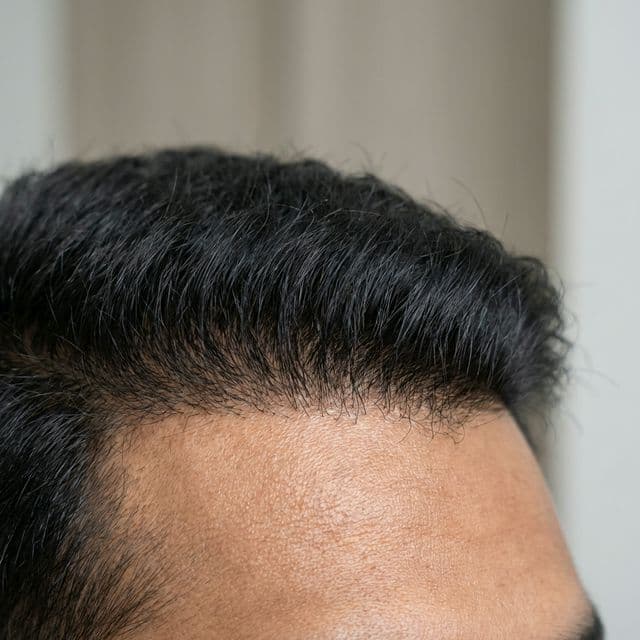
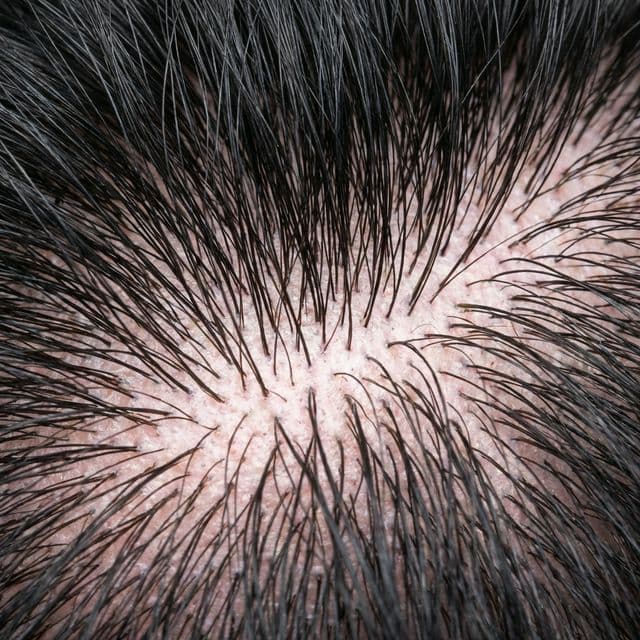
The donor area is the part of the scalp from which hair follicles are taken during a transplant. It is usually at the back or sides of the head. After the procedure, this area may feel tight, sore, numb or itchy for a short time. It may also have small crusts or tiny marks. These changes usually improve as the skin heals, but the donor area still needs careful planning and review.
If you are thinking about surgery in Hyderabad, read the hair transplant planning and treatment information before you decide. A consultation should assess your current hair loss, the strength of the donor area and how much can be safely removed.
This article explains what normally happens after follicular unit extraction (FUE) or follicular unit transplantation (FUT), what can affect the appearance of the donor area, and when a problem needs medical attention. It cannot tell you whether your own scalp is healing normally without an examination.
What is the donor area?
The donor area contains hair follicles that are selected for transfer to thinning or bald areas. In many men, it is the scalp at the back and sides because these follicles are often more resistant to the hormone-related pattern of hair loss. This is not the same for every person. Some people have diffuse thinning, scalp disease, previous scars or a donor area that may continue to thin.
A surgeon should examine the scalp rather than judge donor strength from a photograph alone. Hair density, hair thickness, curl, scalp colour, existing scars and the likely future pattern of hair loss all matter. The safe donor area is not an unlimited supply of hair.
FUE and FUT affect the donor area in different ways
FUE, also called follicular unit excision, removes individual follicular units with a small punch. This leaves many tiny healing points spread across the donor area. The marks may be difficult to notice when the hair is grown out, but they can become more visible with very short hair or if too many grafts are removed from one region.
FUT, or the strip method, removes a narrow strip of hair-bearing skin. The edges are brought together and closed. This leaves a linear scar. It may be hidden by surrounding hair, but its final appearance depends on the position, width, tension during closure, healing and later hairstyles.
Neither method is automatically right for every patient. The choice should be based on your hair-loss pattern, donor quality, hairstyle, previous procedures, medical history and long-term plan. A good result includes a natural recipient area and a donor area that still looks balanced.
What is normal in the first few days?
The donor area can look different from the rest of the scalp immediately after surgery. Mild swelling, redness, small crusts, tightness, aching and temporary numbness can occur. A dressing or spray may be used according to the surgeon’s protocol. Some people also notice mild swelling on the forehead or around the eyes, although this is not limited to the donor area.
A tight or tender feeling for the first few days.
Small scabs or crusts around FUE extraction points.
A linear wound and stitches after FUT.
Mild bleeding or clear fluid staining on the dressing soon after surgery.
Temporary numbness or altered sensation near the donor area.
Do not scratch, pick scabs, rub the area or apply oil, hair dye or home remedies unless your surgical team says it is safe. Washing instructions differ. Follow the instructions given for your own procedure, because the surgeon knows the punch size, closure, number of grafts and any medicines used.
How does donor-area healing progress?
The exact timeline varies, but healing often follows a broad pattern. The NHS notes that stitches may be removed around 10 to 14 days after surgery, while other recovery advice can vary by technique and clinic. This is a guide, not a promise about your own result.
Days 1 to 3
The scalp may feel tight or sore. The donor area can have small crusts, mild redness or a covered wound. Sleep and washing instructions are important. Avoid pressure, friction and strenuous activity until your surgeon allows them.
Days 4 to 14
FUE crusts usually begin to loosen as the skin heals. An FUT wound is still maturing, and non-dissolvable stitches may need removal at the planned visit. The area may feel itchy or numb. Do not pull at crusts or inspect the wound repeatedly.
Weeks 3 to 8
The skin usually looks calmer, but the hair around the extraction sites may not yet give a full visual picture of density. Some temporary shedding can occur. A small amount of unevenness can be hard to judge while the hair is growing back after shaving.
Months 3 to 12
The donor area should be assessed as part of follow-up, especially if you notice patches, widening scars or ongoing thinning. The recipient hair develops on a different timeline. Do not judge the final transplant result or donor balance too early.
Will the donor area look thinner?
It can look temporarily thinner because the donor hair may be trimmed or shaved, the skin may be swollen, and nearby hairs may shed. With careful spacing and enough surrounding hair, many people regain a natural appearance as healing settles.
However, visible thinning can also happen when too many grafts are removed, when extraction points are poorly distributed, or when hair loss continues in the donor area. This is sometimes called overharvesting. It may appear as patchy gaps, a moth-eaten pattern or reduced density when the hair is cut short.
The risk is influenced by the number of grafts removed, the spacing of extractions, the punch and technique used, the quality of the donor hair, previous surgery and the person’s future hair loss. A safe plan should leave enough follicles to maintain coverage over time.
Can the donor area grow back?
The individual follicle removed for transplantation does not grow a new follicle in the same spot. The surrounding follicles remain and can hide the small marks as the hair grows. Therefore, donor-area appearance depends on how the follicles were distributed and how much hair remains around them.
After FUT, the removed strip does not regrow as hair-bearing skin. The scar is closed and usually becomes less noticeable as it matures. A wide or raised scar, poor healing, infection or excessive tension can make it more visible. After FUE, the tiny extraction marks usually heal as small pale dots, but they can be visible if the hair is very short or the donor area has been overharvested.
Does numbness or tightness last?
Temporary numbness, tingling or tightness can occur because the skin and small nerves have been disturbed. Sensation usually improves gradually, but the time differs between patients and techniques. A small area can take longer to feel normal. Tell your surgeon if numbness is worsening, spreading, associated with severe pain, or not improving as expected.
What aftercare helps protect the donor area?
Use only the wash, spray, dressing and medicines advised by your surgical team. General steps may include the following, but your own instructions take priority.
Keep the area clean in the way your clinic advises. Do not scrub it.
Avoid tight caps, helmets or headwear until you are told they are safe.
Avoid heavy exercise, contact sports, swimming and dusty work for the advised period.
Do not smoke or use nicotine around surgery unless your doctor has given different advice.
Protect the healing scalp from strong sun and heat as advised.
Attend planned reviews so the wound, scar and density can be checked.
ASPS advises that strenuous activity can increase blood flow and may contribute to bleeding around incisions, so many patients are told to avoid vigorous exercise for a period after surgery. The exact restriction should come from your surgeon, not from a general online timeline.
When should you contact the clinic?
Contact your surgeon or clinic promptly if you have increasing pain, spreading redness, pus, fever, persistent bleeding, a wound that is opening, a foul smell, marked swelling, darkening skin or a sudden patch of tissue that looks unhealthy. These signs do not prove a complication, but they need assessment.
Seek urgent medical care for heavy bleeding that does not stop with firm gentle pressure as instructed, breathing difficulty, severe allergic symptoms, confusion, or rapidly worsening swelling. Do not wait for the next routine appointment when you feel seriously unwell.
What can a doctor check at follow-up?
A follow-up examination can check whether the donor wound is closed, whether crusts and redness are settling, whether there are signs of infection or folliculitis, and whether the pattern of hair density looks even. The doctor can also review medicines, washing, exercise and scar care.
If you are worried about a visible gap, the timing of the concern matters. Early patchiness may improve as hair grows and the scalp settles. A later patchy pattern may need a closer review of extraction distribution, ongoing hair loss, scarring or the original treatment plan. Photographs taken in similar light can help the doctor compare change, but they do not replace an examination.
Questions to ask before a hair transplant
How many grafts do I need, and how many can be removed safely from my donor area?
Will you show me the planned donor and recipient zones before surgery?
Which technique do you recommend, and what scar pattern should I expect?
What hair loss may continue after the transplant, including in the donor area?
What is your plan if the donor area heals unevenly or the result is limited?
Who will perform the harvesting, graft handling and placement?
What symptoms should make me contact the clinic after I return home?
A responsible plan treats donor hair as a limited resource. It should not promise a particular density or claim that scars will be invisible in every hairstyle.
FAQs
Will the donor area be permanently scarred?
FUE leaves many tiny marks and FUT leaves a linear scar. They may become less noticeable as they heal and are often covered by hair, but no surgical scar can be guaranteed to disappear.
Can I keep my hair very short after FUE?
Some people can wear short hair without obvious marks, but visibility depends on skin and hair contrast, punch size, extraction spacing, scarring and the number of grafts taken. Ask to see the planned donor area and discuss your usual haircut before choosing a technique.
Can a donor area be used again?
A second procedure may be possible for some patients, but it depends on remaining density, the first procedure, ongoing hair loss and the amount of coverage still needed. It should never be assumed that more grafts can be taken safely.
Is donor-area itching normal?
Mild itching can happen during healing. Do not scratch or pick the area. Severe itching, pus, increasing redness, painful bumps or fever should be reported because they may need treatment.
Can body hair replace scalp donor hair?
In selected situations, body hair may be discussed, but it is not a simple substitute for scalp hair. Hair texture, growth length, survival and the donor site all matter. This needs an individual assessment by a qualified doctor.
The main takeaway is simple: a donor area should heal with small, controlled changes, but the result depends on planning, technique and future hair loss. If you are considering treatment, start with a proper assessment through the hair transplant service page and ask how the donor area will be protected over the long term.
References
NHS: Hair transplant — procedure, recovery and possible problems. Read the NHS guidance.
American Society of Plastic Surgeons: Hair transplant recovery. Read the ASPS guidance.
Cleveland Clinic: Hair replacement surgery and donor-site scars. Read the Cleveland Clinic information.
International Society of Hair Restoration Surgery: FUE recovery and donor-area considerations. Read the ISHRS patient information.
ISHRS FUE guidelines: risks including overharvesting and donor-area thinning. Read the FUE guidelines.