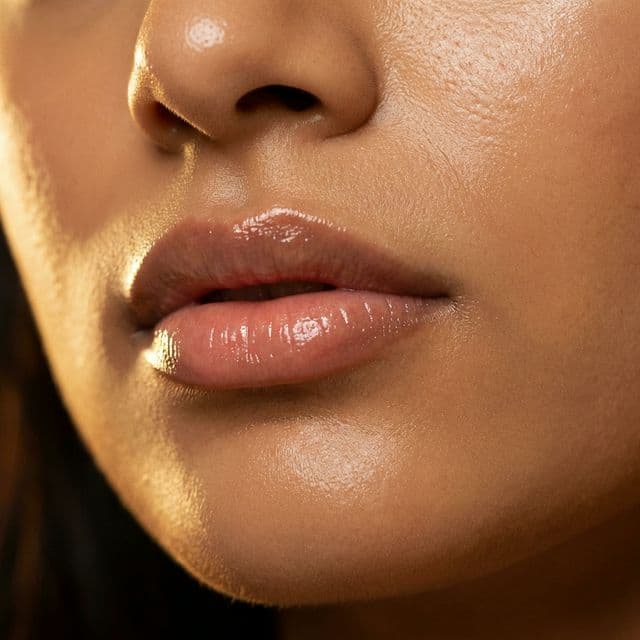
The skin of the nose can be more sensitive after rhinoplasty. Strong sunlight and heat may increase discomfort or swelling, while a healing incision or bruise may darken with ultraviolet exposure. Protecting the nose matters even after a cast has been removed. Your surgeon's instructions come first, particularly while tape, wounds or a splint are present. A hat and shade are useful early steps; ask when sunscreen can safely be applied to each part of the healing skin.
Protection is especially useful on clear, hot days and during long outdoor commutes.
This guide is about sun and heat during recovery. For the surgery and consultation, visit the rhinoplasty service page. It does not claim that one day in the sun will undo an operation. The aim is to make normal outdoor life safer while tissues heal.
Why the nose needs extra care in sunlight
The nose projects from the face and receives direct light. After an operation, the outer skin may have been lifted or handled, even when incisions are mainly inside. Bruising and swelling can make the area reactive. A small external incision, when used, has to mature over time. Fresh scars can become more noticeable if they are repeatedly burned or exposed to strong UV light.
The Barts Health septorhinoplasty leaflet says the skin of the nose is very sensitive to sun after surgery and advises strong sun protection for a long period. Another NHS rhinoplasty aftercare guide from Frimley Health advises avoiding strong sunlight or sunburn in the first six to eight weeks and using high-factor protection on holiday. These recommendations show why protection matters; your exact plan may differ.
Heat is a separate issue from UV light. A hot day, sauna, steam room or very hot bath may make swelling and discomfort more noticeable and can raise bleeding concerns early on. Sunscreen blocks some UV but does not keep the face cool. Resting in shade and following activity restrictions still matter.
What to do while an external splint is in place
An outer cast or splint is usually held by tape. Keep it dry if your surgeon says to, and do not rub sunscreen into or under it. A hat with a brim that does not press the nose can shade the face. Choose a hat carefully: a narrow or tight brim that hits the splint can cause discomfort. A clean umbrella and shaded route are other simple options.
Do not peel back tape to apply a skincare product. If tape is lifting or the skin under it is irritated, contact the surgical team. Household tape or a heavy cream can interfere with the dressing. Likewise, avoid putting sunscreen on a fresh incision until the team confirms that the surface has closed and the product is suitable.
Plan necessary trips for cooler parts of the day where possible. A short, shaded walk is different from hours in direct midday sun. If you must travel to an appointment, wait in an indoor area rather than a hot exposed queue. Drink water as you normally would, unless you have a specific medical restriction.
When can sunscreen be used?
Ask at follow-up. The answer depends on whether the splint is off, whether any incision is closed, and whether the skin is irritated. A clinician may suggest a high-SPF, broad-spectrum product for intact skin, applied gently without rubbing or pressing the nose. Test tolerance on a small area if recommended. Do not put lotion inside the nostrils.
The American Society of Plastic Surgeons discussion of scar healing notes that scars can discolour with direct sun and discusses hats and sunscreen as protection. This is general scar advice, not a fixed sunscreen start date for rhinoplasty. A healing columellar incision and unbroken bridge skin may require different care.
Reapply according to the product directions once the surgeon has cleared its use. Sweating, wiping and time outdoors reduce protection. Sunscreen is not a reason to stay in strong sun for hours while the nose is still swollen. Combine it with shade and a hat when practical.
Do glasses and sunglasses cause pressure?
They can. The frame rests on the bridge, where bones and soft tissue may be healing. Some surgeons ask patients to keep glasses off the bridge for a period or support them another way. The advice depends on the operation and the frame. A dark pair of sunglasses protects the eyes from glare but may be the wrong choice if it presses the nose.
Ask for a specific glasses plan before surgery if you rely on them to see. Contact lenses may be an option for some people, but you should not switch without considering your eye health and handling while recovering. A wide-brimmed hat can shade the face without placing weight on the nose. Do not balance glasses on the cast without permission.
The outer splint coming off does not automatically clear pressure from frames. The nose can remain tender, and swelling can continue for months. If a frame leaves a mark, causes pain or appears to shift the nose, stop using it and ask the team for advice. Do not try to reshape the bridge by pressing it back.
Does sun exposure change the final nose shape?
Sunlight itself does not reshape the cartilage or bone. The realistic concerns are skin injury, prolonged redness or pigmentation, discomfort and swelling. A severe sunburn on a healing nose needs a medical review. The American Society of Plastic Surgeons rhinoplasty recovery guide explains that swelling can fluctuate and take a long time to settle. Do not judge the final surgical result by how the nose looks after a hot afternoon.
An incision may darken with UV exposure, and pigmentation may be particularly noticeable against some skin tones. Skin response varies; no product guarantees a scar will disappear. Good protection reduces an avoidable risk while the scar matures. If a mark is changing or bothersome, show it to the surgeon rather than starting an acid, scrub or bleaching cream on fresh skin.
Avoid deliberate tanning during the initial recovery period. A tanning bed also exposes skin to UV and adds heat. These choices offer no healing benefit. If outdoor work is unavoidable, discuss protective clothing, shifts and a realistic return-to-work plan at consultation.
Working outdoors in Indian weather
Many people cannot avoid the sun completely. Delivery work, field visits, school runs and travel in Hyderabad may involve heat and dust. Plan shade breaks, carry water, wear a suitable hat and follow the clinician's skin-care instructions. Dust can irritate the nose, and a mask may press on a tender bridge; ask whether your usual mask fits safely or needs an alternative.
Try to separate medical recovery from appearance concerns. You may feel comfortable going to work before you are ready for long periods in heat. Bruising may be fading, while skin and bone are still healing. If your job requires protective eyewear or a helmet, bring it to the preoperative appointment so the surgeon can advise when it can be worn.
If you commute by two-wheeler, a helmet may touch the nose while being pulled on. A crowded bus can also bring a risk of accidental bumps. These are physical-contact questions in addition to sun exposure. Ask the team before returning to such travel. A cap or hat must fit without rubbing the cast.
Sunburn and other warning signs
If the nose becomes red and painful after sun, move out of the sun and contact your team for advice on safe cooling and skin care. Avoid ice directly on the nose and avoid unapproved creams on an incision. Blistering, increasing pain or a wound that opens needs clinical assessment. A routine sunburn remedy may not be suitable for a postoperative site.
Increasing redness and heat can also indicate infection, particularly if there is fever, worsening tenderness or foul discharge. Do not label every red nose as sunburn. The Cambridge University Hospitals aftercare leaflet advises assessment for a nose that becomes more blocked and sore or develops smelly discharge. Seek prompt help for heavy bleeding or severe illness.
A sudden visible shape change after a knock is different from temporary swelling after heat. Contact the surgical team if it happens. Do not massage or press a healing nose to reduce puffiness unless the surgeon has given specific instructions.
Questions for the follow-up visit
Ask when you can wash and apply sunscreen to the bridge, tip and any incision. Ask which SPF and formulation the team recommends for your skin, and how to avoid pressure while applying it. Clarify whether a hat, glasses, mask or helmet can touch the nose. Tell the surgeon about outdoor work, festivals, beach plans or travel to a hot climate.
Ask how long to protect an incision from strong sun and when heat-related activities can resume. Different leaflets give different periods because operations and practices differ. The best answer is the one linked to your wound, procedure and progress at review.
Do not wait for an appointment if you develop a blister, opening wound, worsening pain or a possible infection. Early assessment is more useful than trying several skincare products before calling.
Common questions
Can I go outside for a short walk?
Often a gentle walk is part of recovery, but follow your surgeon's activity plan. Choose shade, avoid peak heat and protect the face without pressing the nose. A short walk is different from prolonged direct sun.
Does sunscreen replace a hat?
No. Once cleared for use, sunscreen protects intact skin from UV, while a comfortable hat adds shade and may help you avoid heat. Neither protects against a physical knock.
Is the nose more likely to tan permanently?
Healing skin and scars can discolour with UV exposure, but the outcome varies. Consistent protection helps reduce this risk. A changing or persistent mark should be examined before using strong cosmetic products.
What if I accidentally spent a day in the sun?
Move to shade, avoid further exposure and follow your normal aftercare. One day does not prove the surgery has failed. Call if you have significant sunburn, blisters, worsening pain, an opening wound or signs of infection.
If you have a darker skin tone or a history of post-inflammatory pigmentation, mention this during follow-up. A mark left by bruising or a small incision may be more noticeable if the area is repeatedly exposed to strong sun. Your surgeon can advise gentle protection once the skin is closed. Avoid trying new bleaching products, exfoliating acids or abrasive treatments on a healing nose without clinical advice.
Practical takeaway
Protect a healing nose from strong sun and heat, especially while a splint or incision is present. Use shade and a no-pressure hat first, then add sunscreen when your surgeon confirms the skin is ready. Plan glasses and outdoor work as carefully as leisure sun. The rhinoplasty consultation page is a place to raise these everyday recovery needs before choosing a surgery date.