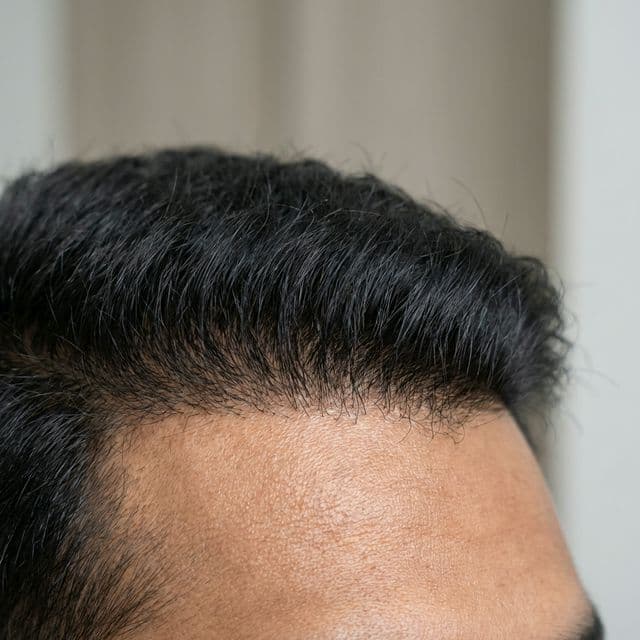
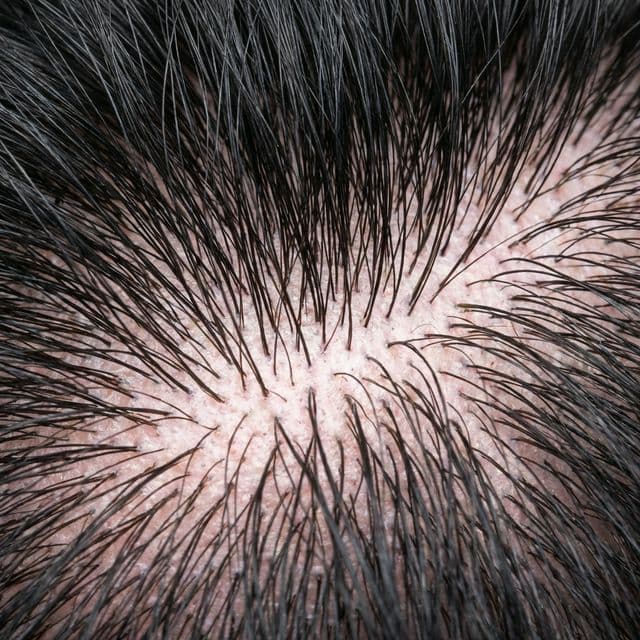
A newly transplanted scalp needs protection from sun and heat while its tiny wounds heal. Direct sunlight can burn exposed donor and recipient skin, while heat and sweating can make aftercare harder. The practical question is not whether you may ever go outdoors; it is how to travel, work and exercise without rubbing the grafted area or applying unsuitable products too soon. Your surgeon's instructions set the timing, because the procedure and rate of healing differ between patients.
Why the scalp is vulnerable after transplantation
Hair normally provides some shade. A thinning recipient area may have little coverage even before surgery, and a clipped donor area can be more exposed afterward. The procedure leaves small healing openings. A sunburn on either site adds inflammation and discomfort exactly when you need gentle care. The American Academy of Dermatology advises people with exposed scalp to protect it from sun, regardless of skin tone.
Sunburn is not a proven automatic cause of every graft failure, and patients should avoid frightening claims about a few minutes outdoors. The concern is preventable injury to healing skin. A severe burn, blistering or infection could complicate recovery. Hyperpigmentation may also matter in skin that marks easily. The safest plan is to avoid intense exposure early and follow the team’s advice about physical covering and sunscreen later.
Heat also changes how your scalp feels. Hot weather, sun, a helmet or exercise can increase sweating and itch. Sweat alone is not proof that grafts have failed; rubbing, scratching and poor hygiene are more relevant practical problems. Plan for these conditions before the procedure if your daily life includes long commutes or outdoor work.
The first days: choose shade and avoid friction
In the earliest healing period, a loose hat may be helpful only if your surgeon says it can be worn without touching or moving the grafts. Some teams give specific styles or ways to put a hat on. Do not improvise with a tight cap or helmet because it looks safer than the sun. Pressure and friction over recipient sites can create a different risk. A hair transplant consultation should include a plan for headwear and outdoor work before the procedure.
Choose a shaded route, umbrella or indoor waiting space when possible. If you need to travel in a car, avoid assuming the windows remove every risk. Keep trips practical and brief as your surgeon advises. Ask whether your job requires protective headwear that cannot be avoided; this may affect when you schedule surgery or return to work.
Do not apply sunscreen, hair fibre, oil or styling gel to fresh recipient sites unless specifically permitted. These are useful products on intact skin, but recently operated skin needs a separate timeline. Ask when sunscreen can be started and how to wash it away gently. The answer may differ for donor and recipient areas.
When can sunscreen be used on the scalp?
Use your surgical team's clearance rather than a fixed internet day count. Once skin has healed enough, a broad-spectrum, water-resistant sunscreen with SPF 30 or higher can protect exposed areas. The AAD recommends reapplication at least every two hours outdoors and after getting wet or sweating for uncovered scalp. A wide-brimmed hat or another safe covering may be easier for some people.
Product choice matters if the scalp is sensitive. A fragrance-free sunscreen may be easier to tolerate, but any product that stings or produces a rash should be stopped and discussed with a clinician. Do not force sunscreen beneath heavy scabs because a calendar says it is time. If you are unsure whether the surface is healed, send a photograph or attend a review.
The donor area also needs protection. People often focus only on the hairline and forget the back of the scalp that was clipped or incised. A safe cover should not scrape either site. Once normal hair length returns, skin at the crown or parting may remain exposed; ordinary ongoing sun protection still matters.
Can heat, sweat or exercise damage grafts?
Heat can make swelling, itching or dehydration more uncomfortable, while exercise can increase sweating and risk of accidental rubbing. However, there is no single temperature or amount of sweat that predicts graft survival. The activity, headwear, environment and days since surgery all matter. Ask your surgeon when light walking, gym sessions, running and outdoor work can resume. Avoid giving yourself permission based on how the scalp looks in a mirror alone.
In hot, humid Indian weather, practical choices include travelling at cooler hours, carrying clean water, following washing instructions and avoiding a tight cap that traps sweat. If a required helmet will press on the recipient area, discuss a return-to-work date. A motorcycle ride adds wind, dust, sun and helmet friction together; it deserves a specific answer from the team rather than a generic recommendation about exercise.
Do not try to cool the grafted scalp with ice directly or a strong fan blast if the surgeon has not advised it. If you feel overheated, move to a cooler place and follow the postoperative plan. Fever, increasing pain or spreading redness should not be dismissed as normal heat discomfort.
What if you accidentally spent time in the sun?
First, do not panic. Move into shade and inspect the area without rubbing it. Note whether the scalp is mildly warm, painful, bright red or blistered. Contact your clinic if there is clear sunburn, worsening pain, blisters or concerns about the grafted skin. Follow their advice about cleansing and products. Avoid applying a random burn cream or steroid to fresh surgical sites.
If the scalp appears normal after a brief exposure, continue the agreed protection plan. Take the incident as a prompt to prepare better for your next outing, not as proof that the transplant has failed. Graft growth is assessed over months. It cannot be inferred from one short outdoor trip. The hair transplant service page explains the procedure; your team's aftercare instructions decide the immediate response.
A serious burn, blister or rapidly worsening skin change merits direct medical assessment. If you cannot reach the operating clinic, use a local medical service. Tell the clinician that the scalp was recently operated on and give the date and technique.
How to plan outdoor work and travel
Before surgery, describe a normal week: commute time, helmet requirements, outdoor shifts, gym habits and any travel booked. A person who can work indoors has different practical constraints from someone on a building site. The surgeon can explain the days during which headwear, dust or heat would make work difficult and whether time off is needed. This is better than discovering after surgery that an essential helmet cannot safely be worn.
For a planned trip, think beyond the flight or train itself. Walking between terminals, queues and sightseeing can involve strong sun, dehydration and sweating. The aftercare period may also need access to washing supplies and follow-up. A holiday in intense sun soon after a transplant may be better rescheduled. The choice depends on destination and recovery, not a universal ban on travel.
Carry the clinic's aftercare contact details. If you are away from Hyderabad, clear photographs and a medication list can help the surgeon advise you. Make sure a local clinician can see you if there is a true complication. Avoid planning a transplant immediately before an unavoidable outdoor event where aftercare cannot be followed.
Does skin tone change the advice?
No skin tone is immune to ultraviolet damage. Darker skin may show redness less obviously, and a burn may be noticed as tenderness or later darkening. The AAD explicitly recommends sun protection for everyone with exposed scalp. Individuals with a history of pigment change should discuss this concern with the surgeon. The aim is safe skin healing and comfort, not a cosmetic rule based on complexion.
Hair density and hairstyle affect scalp exposure too. A very short haircut, broad parting or crown thinning leaves more visible skin. A transplant can improve coverage over time, but it will not make all scalp skin impervious to sun. Continue ordinary sun protection after the initial recovery period, particularly for prolonged outdoor activities.
If you have a changing mole, a persistent sore or an unexplained scaly lesion in an exposed area, have it checked before cosmetic surgery. A transplant does not treat skin disease. Your clinician may recommend a separate skin examination.
A practical questions checklist
- How long should I avoid direct sun on recipient and donor sites in my case?
- When can I wear a loose hat, work helmet or motorcycle helmet, and how should it fit?
- At what stage can I use sunscreen, and which areas can receive it?
- When can I return to outdoor work, gym exercise and travel?
- What appearance or symptom after sun exposure should prompt a call?
Write down the answers. Several of these depend on how your own scalp is healing. A patient-specific plan is more useful than a precise day count copied from a forum.
Frequently asked questions
Will ten minutes of sun ruin my transplant?
A brief accidental exposure does not by itself prove damage. The goal is to avoid sunburn and repeated direct exposure while the skin heals. Move to shade and follow the clinic's plan. Call if the scalp becomes painful, red, blistered or otherwise concerning.
Is a baseball cap always safe after surgery?
No. Fit and timing matter. A tight cap may rub the grafted hairline, and removing it can drag across skin. Ask your surgeon when a hat can be used and which design is suitable. A loose, clean covering may be preferred when approved.
Can I put sunscreen directly on grafts the day after surgery?
Do not do so without specific approval. Fresh sites may be sensitive and the product must eventually be washed away. Use shade and the surgeon's approved physical protection first. Later, broad-spectrum sunscreen is sensible for exposed healed skin.
What about a hot shower or sauna?
These add heat and, in a sauna, sweat. Follow your surgeon's washing temperature and activity timetable. Avoid strong hot water and soaking newly healing sites unless the team has said they are safe. A normal warm shower later is different from deliberate prolonged heat exposure.
Does a sunburn change the long-term result?
It depends on severity and timing. A mild brief exposure is not the same as a blistering burn. The team should assess a true burn on the operated scalp and treat skin damage promptly. No one can accurately calculate graft survival from a photograph immediately after a sunburn.
A sensible next step
Plan for sun and heat before your procedure, especially if work or travel makes exposure unavoidable. Ask the team at a hair transplant consultation for a written, staged plan covering shade, headwear, sunscreen and return to outdoor activity. During recovery, use that plan and seek review for a real burn or worsening skin symptoms.
Individual healing always takes priority over a generic online timetable.
For general long-term skin protection, the AAD's sunscreen guidance explains the meaning of broad-spectrum protection and reapplication. Apply it to a post-transplant scalp only after your surgical team confirms the skin has healed enough.
The AAD's broader hair-care advice also encourages gentle handling of fragile hair. That principle is useful when choosing a hat, towel and washing method, although a fresh surgical site needs its own stricter instructions.