Quick Answer
PRP and GFC are both injection-based hair treatments designed to support follicles that are still alive but becoming thinner. PRP uses a concentration of your own platelets and their growth factors. GFC, usually meaning growth factor concentrate, uses a prepared concentrate of selected growth factors separated from blood components. Neither treatment can recreate follicles in a completely bald area, and neither should be presented as a guaranteed alternative to a hair transplant.
For early or moderate thinning, PRP may be the more established and practical starting point, especially when the treatment plan includes medical therapy and objective scalp monitoring. GFC may be considered when a clinician wants a more concentrated, standardised growth-factor protocol or when a patient is looking for an alternative to conventional PRP. The better choice depends on the cause and stage of hair loss, the quality of the treatment system, your scalp assessment, and whether the clinic can explain exactly what is being injected.
If you are comparing PRP vs GFC in Hyderabad, the important question is not which name sounds more advanced. It is which option matches your follicle health, expectations, budget, and long-term hair plan.
What PRP and GFC Are Actually Designed to Do
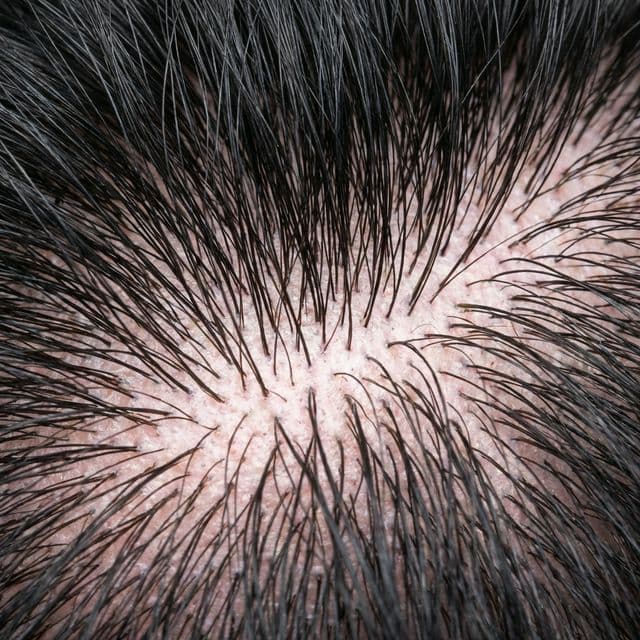
Hair-growth injections work best on miniaturised follicles: follicles that are producing progressively finer, shorter hairs but have not completely stopped functioning. The aim is to improve the scalp environment, support the growth phase of the hair cycle, reduce the rate of miniaturisation, and improve the thickness or quality of existing hair.
They do not create a new donor area, lower a receding hairline permanently, or fill a smooth bald patch in the same way transplanted follicles can. They are better understood as follicle-support treatments and, in selected patients, as part of a broader medical hair-restoration programme.
The diagnosis comes first. Androgenetic alopecia, telogen effluvium, nutritional deficiency, thyroid disease, inflammatory scalp conditions, and alopecia areata can look similar to a patient but require different treatment. A trichoscopy or dermoscopic scalp examination helps the clinician distinguish miniaturisation from temporary shedding and identify whether follicles remain viable.
PRP vs GFC: The Core Difference
How PRP works
Platelet-rich plasma is prepared from a small sample of your own blood. The sample is processed to separate platelet-rich plasma from red blood cells and other components. The resulting concentrate contains platelets that release signalling proteins such as PDGF, VEGF, and EGF. These signals may support the follicular environment and local blood supply when delivered through small scalp injections.
PRP protocols vary. The collection tube, centrifugation method, platelet concentration, use of activating agents, injection depth, treatment map, and number of sessions can all affect the protocol. That is why comparing a cheap single session with a medical-grade multi-session plan can be misleading.
How GFC works
Growth factor concentrate is a broader term used for preparations in which growth factors are separated or concentrated from blood-derived material. Depending on the system, the final product may contain a selected group of growth factors with little or no intact platelets. The goal is still to send regenerative signals to weakened follicles, but the preparation method and composition are different from standard PRP.
Because GFC is not one universal recipe, patients should ask which system is used, how the concentrate is prepared, what the clinician believes it contains, and how the response will be measured. The label alone does not prove that one treatment is better.
A simple comparison
- PRP is a familiar autologous treatment using concentrated platelets from your own blood.
- GFC is a growth-factor-focused preparation whose exact composition depends on the system and protocol.
- Both are most useful when follicles are miniaturised rather than absent.
- Both normally require a series of sessions and maintenance rather than one appointment.
- Neither replaces a transplant when a zone is genuinely bald and no viable follicles remain.
Which Patients May Benefit From PRP or GFC?
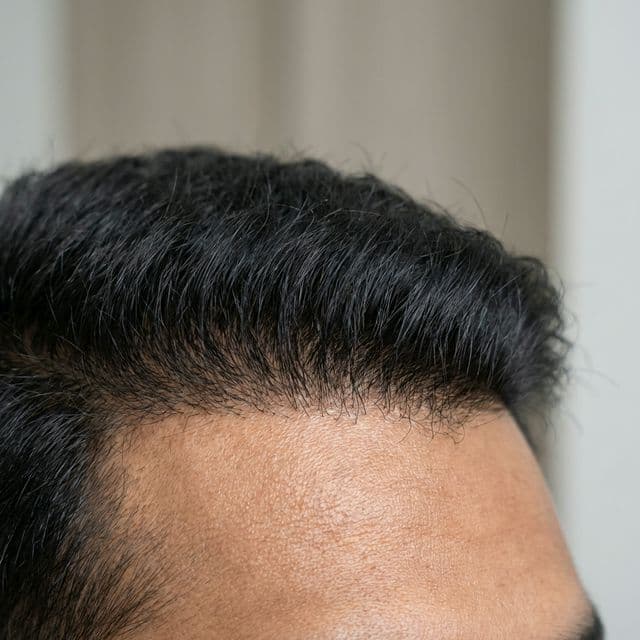
The most suitable patients usually have early-to-moderate thinning, visible miniaturisation, and realistic expectations. This can include a widening part, diffuse reduction in density, early crown thinning, or a receding hairline where some fine hairs are still present.
A treatment may also be considered for patients who are already using prescribed minoxidil or finasteride and want additional follicle support. In some cases, the treatment is used before or after a hair transplant to support native hair and the healing environment around grafts. That decision should be made by the treating surgeon rather than added automatically to a package.
You may need a different plan if:
- The area is smooth and completely bald with no visible miniaturised follicles.
- Hair loss started suddenly and the cause has not been investigated.
- There is active dandruff, folliculitis, psoriasis, or another scalp inflammation.
- You have a platelet disorder, take anticoagulants, or have a medical condition affecting healing.
- You expect one session to restore a dense hairline.
Women with diffuse thinning deserve particularly careful assessment. A transplant or injection package should not be chosen before considering hormonal, nutritional, thyroid, postpartum, or inflammatory causes of shedding. A good consultation explains what is known, what is uncertain, and what should be investigated next.
PRP vs GFC for Different Hair-Loss Patterns
Early diffuse thinning
When density is reducing across the top of the scalp but follicles are still active, either PRP or GFC may be discussed. The priority is to identify the cause, document baseline density, and combine the injection plan with evidence-based medical treatment when appropriate. In this setting, a series with measurable follow-up is more useful than choosing based on a promotional claim.
Crown thinning
The crown can respond slowly because the hair cycle is long and the visual change is difficult to judge under different lighting. PRP or GFC may help preserve and thicken miniaturised hairs, but the plan should include photographs or trichoscopy at consistent intervals. If the crown is already significantly bald, a transplant assessment may be more relevant.
Receding hairline
Injections may help protect fine native hairs around a receding hairline, but they cannot reliably move the hairline forward. A surgeon must assess age, the stability of ongoing hair loss, donor supply, and the design that will still look appropriate later in life. A transplant may be considered when the hairline has receded beyond what medical treatment can maintain.
Hair shedding after illness or stress
Sudden shedding can be telogen effluvium, which often improves after the trigger is addressed. PRP or GFC should not be used to avoid finding the cause. Blood tests, medication review, diet history, and a scalp examination may be more important first steps.
What a Medically Responsible Protocol Looks Like
At Inform Clinic in Hyderabad, a responsible hair-growth programme begins with an assessment rather than a same-day sales decision. The clinician should review the pattern and duration of loss, family history, previous treatment, medicines, scalp health, and your goals. Trichoscopy can document miniaturisation, density, hair calibre, and the condition of the follicular units.
The injection plan may involve four to six sessions during an initial active phase, commonly spaced several weeks apart, followed by maintenance based on response. The exact number is not a promise of regrowth; it is a framework that can be adjusted when the scalp is reviewed. Hair quality may improve before visible density does, and any improvement is gradual because follicles follow a biological growth cycle.
If medical therapy is indicated, stopping it when injections begin can undermine the plan. PRP and GFC generally support the follicles; they do not remove the hormonal or genetic driver of androgenetic alopecia. Your clinician should explain the benefits, side effects, contraindications, and long-term commitment of any medicine before you start it.
Recovery, Side Effects, and Safety
Most PRP and GFC sessions are outpatient procedures. Mild tenderness, redness, small injection-site bumps, or a tight feeling in the scalp can occur for a day or two. Patients are commonly advised to avoid vigorous exercise, excessive sweating, swimming, and harsh scalp products for a short period after treatment. Your clinic should give you specific aftercare based on the product and injection technique used.
Because the treatment involves injections and, in PRP, blood handling, sterile technique matters. Potential complications include infection, prolonged pain, bruising, headache, temporary shedding, or an inflammatory reaction. Seek medical advice if you develop worsening pain, spreading redness, pus, fever, or a severe headache rather than assuming it is normal recovery.
Ask who performs the assessment and injections, whether the doctor is present, how the blood is labelled and handled, what sterile disposables are used, and how complications are managed. Hair treatment is elective, but safety standards should not be treated as optional.
Cost in Hyderabad: Why You Should Compare Protocols, Not Just Sessions
Patients often search for “PRP vs GFC cost in Hyderabad,” but a single session price does not tell you whether two quotes are comparable. The total cost may vary with the preparation system, the number of sessions, the area treated, doctor involvement, trichoscopy monitoring, anaesthesia or numbing, aftercare, medicines, and maintenance planning.
Before comparing quotes, ask:
- Is the price per session or for the complete initial protocol?
- How many sessions does the clinician recommend, and why?
- Is trichoscopy or another baseline assessment included?
- Does a qualified doctor perform the injections?
- Which preparation system is used, and what is the final product?
- Are medicines, follow-up reviews, and maintenance sessions separate?
- What happens if the diagnosis changes or the treatment is not suitable?
A lower price may reflect fewer visits or a less comprehensive assessment, while a higher price may include monitoring and medical oversight. Neither is automatically better. The safest comparison is between two clearly described treatment plans for the same diagnosis.
Questions to Ask Before Choosing PRP or GFC
Take these questions to your Hyderabad consultation:
- What type of hair loss do I have, and is it still progressing?
- Do I have miniaturised follicles in the areas I want to improve?
- Why are you recommending PRP, GFC, medication, transplant, or a combination?
- What exactly is in the prepared product, and how is it made?
- Who will draw the blood and perform the injections?
- How will we measure whether the treatment is working?
- What is a realistic result at six and twelve months?
- What is the maintenance plan if I respond?
- If I eventually need a transplant, will this plan protect my donor supply and native hair?
The best answer will usually be specific to your scalp rather than a generic claim that one treatment is superior for everyone.
Frequently Asked Questions
Is GFC better than PRP for hair loss?
Not for every patient. GFC may be useful when a clinician recommends a growth-factor-focused protocol, but the preparation varies between systems. PRP has a longer history of use and is often a sensible option for early or moderate thinning. Your diagnosis, follicle viability, protocol quality, and follow-up matter more than the name alone.
Can PRP or GFC regrow hair on a completely bald scalp?
No. These treatments support miniaturised but viable follicles. They cannot reliably create new follicles in an area where follicular units are no longer present. A hair transplant may be discussed for suitable patients with adequate donor supply.
How many PRP or GFC sessions will I need?
Many programmes start with four to six sessions spaced several weeks apart, followed by maintenance if the response is worthwhile. The appropriate number depends on the diagnosis, treatment system, baseline findings, and progress at review.
Are PRP and GFC painful?
There is usually some discomfort from multiple scalp injections, but topical numbing or a scalp nerve block can make the session more comfortable. Tenderness for a day or two is common. Tell the clinician if pain is severe or worsening.
Can I combine PRP or GFC with a hair transplant?
Sometimes. The treating surgeon may recommend a pre- or post-transplant protocol to support native hair or the graft environment. It should be based on your hair-loss pattern and overall plan, not added as an automatic upgrade.
How soon will I see results?
Hair changes are gradual. Some patients notice improved hair quality or reduced shedding before visible density changes. A meaningful assessment usually requires consistent photographs or trichoscopy over several months, and maintenance may be needed to preserve any benefit.
Is PRP or GFC a permanent treatment?
No. These treatments do not remove the underlying tendency toward genetic hair loss. If the cause is androgenetic alopecia, ongoing medical management and maintenance may be needed. A consultation should explain the likely long-term plan before you commit.
Final Takeaway
PRP vs GFC is not a contest that can be decided from a brochure or a per-session price. PRP is a well-established platelet-based option; GFC is a growth-factor-focused option whose value depends heavily on the preparation system and the clinical protocol. Both work best when thinning follicles are still alive, the underlying diagnosis is understood, and results are tracked over time.
If you are considering hair treatment in Hyderabad, start with a doctor-led scalp assessment and ask for a plan that explains why a treatment suits you, what it can realistically change, how many sessions are likely, and what happens next if it does not work. That clarity is more valuable than choosing the newest-sounding label.