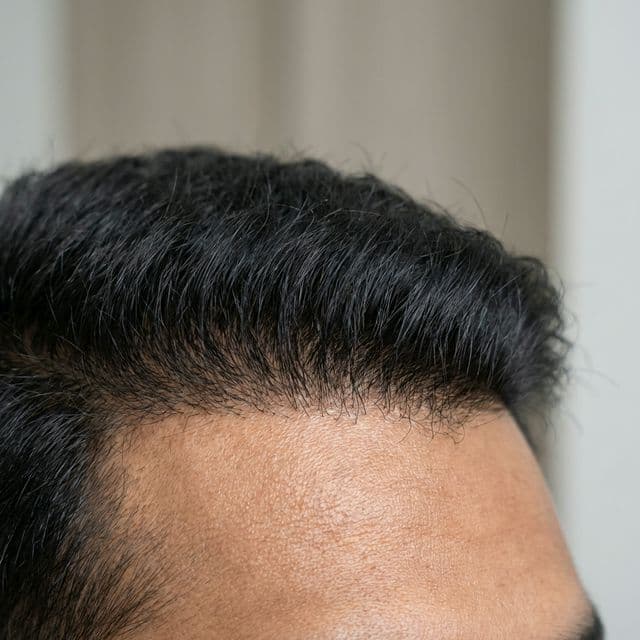
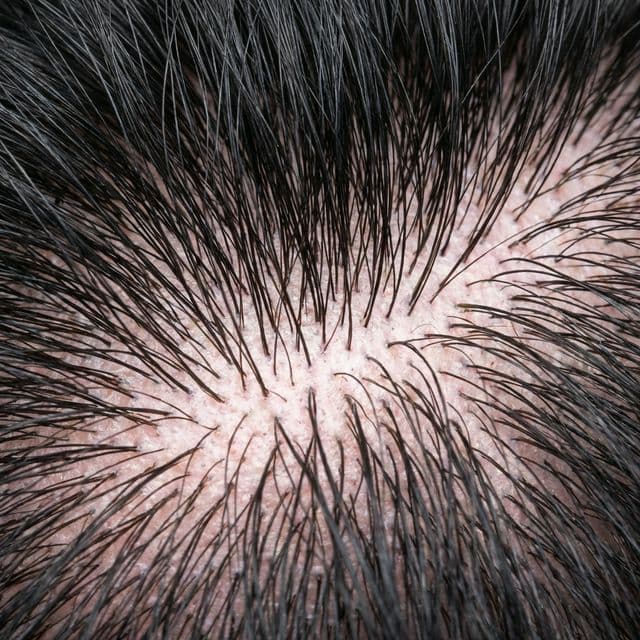
A few small bumps on the scalp after a hair transplant can be unsettling. Some are related to normal healing or hairs emerging through the skin; others are folliculitis, irritation or an infection that needs treatment. Appearance alone is not enough for a reliable diagnosis, especially in a newly operated area. The safest response is to follow your surgeon's washing instructions, avoid squeezing the bumps, and tell the clinic if they multiply, become increasingly painful or come with spreading redness or fever.
What does folliculitis mean?
Folliculitis is inflammation around a hair follicle. It can look like a pimple, sometimes with a pale centre and a surrounding red or darker ring. The American Academy of Dermatology notes that folliculitis can itch or hurt, and that damaged follicles are more vulnerable to germs. Folliculitis is a description of what the follicle looks like; it does not identify a single cause or prove that every bump contains a bacterial infection.
Transplantation creates many small openings in donor and recipient skin. Healing skin, retained hairs, surface bacteria, sweating and friction can all contribute to bumps. A clinical series reported by the International Society of Hair Restoration Surgery examined folliculitis at recipient sites after surgery, but it does not let an individual patient diagnose themselves from a photograph. The important question is how your bumps are changing and how the surrounding scalp looks.
A single mild spot is a different situation from an expanding cluster with heat, tenderness and discharge. Scabs and crusts during early healing can also resemble spots. Patients with acne, a sensitive scalp or a previous folliculitis history should tell their surgical team, because that context may affect the assessment. Both women and men can experience these concerns after a transplant.
When do bumps appear?
Bumps may show up at different points. In the first days, swelling, healing openings and scabs can make the scalp uneven. Later, as transplanted hair shafts shed and new growth begins, some hairs can irritate the opening through which they emerge. Skin products, a tight helmet or cap, vigorous rubbing and heavy sweating may contribute to irritation. Timing can offer a clue, but it cannot confirm the cause. The hair transplant service guide offers recovery context, but a new scalp bump still needs advice from your own surgical team.
Do not assume that a bump several months after surgery must be normal because new growth is expected. Likewise, a pimple in the first week should not automatically be treated as an infection with leftover antibiotics. Your surgeon knows the procedure, the number and location of sites, and the aftercare instructions used. Send clear, well-lit photographs if an in-person visit is not immediately possible, and describe when the change started.
Folliculitis can arise in the donor region too. Small extraction wounds, short hairs and friction at the back or sides of the head can create symptoms there. The location matters because the donor and recipient areas may have different washing and product instructions. Use the plan your team gave for each area rather than applying the same home remedy everywhere.
What is usually safe to do at home?
Keep to the prescribed washing schedule and technique. Gentle cleansing helps avoid a build-up of sweat and products, but aggressive rubbing can disturb fragile skin. Wash your hands before touching the scalp. Use a clean pillowcase and avoid sharing combs or caps. If headwear is permitted, keep it clean and loose enough to avoid friction. Ask the surgeon before restarting a styling product, oil, medicated shampoo or scalp treatment.
Do not squeeze, pick or pierce a bump. That can increase inflammation and make assessment harder. Avoid harsh antiseptics, undiluted essential oils, acne acids and steroid creams unless specifically prescribed for your postoperative scalp. The AAD describes warm compresses for ordinary folliculitis, but a fresh transplant has special handling needs; check with your surgical team before placing a compress or applying heat over grafted skin.
If a bump opens on its own, do not scrub it. Follow the clinic's cleaning advice and note whether there is persistent discharge. Keep a short record of the number of spots, pain, redness and any fever. This information can help the clinician decide whether observation, an examination or a treatment is needed.
Signs that call for prompt clinical review
Contact your surgeon promptly when the number of bumps rises quickly, redness spreads, pain increases rather than settles, or a spot becomes large and swollen. Pus, unpleasant odour, a tender lump, fever or feeling unwell deserves the same attention. Seek urgent medical evaluation for severe pain, rapidly expanding redness or systemic symptoms. These are not changes to wait out because of a promised growth timeline.
A clinician may examine for an abscess, infection, contact dermatitis, ingrown hair or another condition. The treatment depends on the diagnosis. They may adjust cleansing, prescribe a topical medicine or, when appropriate, an oral medicine. In recurrent or severe cases, a swab or other test may be considered. The AAD guidance notes that some people need a dermatologist to distinguish folliculitis from acne and choose treatment.
Do not take leftover antibiotics or stop a prescribed postoperative medicine without speaking to the clinician. An antibiotic is not helpful for every inflamed spot, and an inappropriate one can delay correct care. Equally, do not dismiss a genuine infection as a routine graft pimple. Photographs sent early can help the team decide the next step.
Will bumps damage the transplanted grafts?
Most small, promptly managed bumps do not mean the entire transplant has failed. A follicle may still grow even when surrounding skin is temporarily inflamed. However, a deep infection, repeated picking or significant untreated inflammation can affect local healing and potentially leave a mark. That is why it is better to obtain an assessment than to test creams on your own scalp.
A photograph of the area during healing may look dramatic under bright light. Try to judge progress with the team over time rather than counting every hair or spot daily. Early graft shedding is expected in many patients and is a separate process from folliculitis. The hair transplant service overview can help frame the procedure, while your clinic's personal aftercare plan governs what to do with symptoms today.
The possibility of a small bump should not lead to unnecessary cancellation of follow-up. Routine reviews are an opportunity to check donor and recipient healing, discuss washing and spot changes, and document growth. If you had acne or scalp inflammation before surgery, the team may also recommend a longer-term scalp care approach.
Could it be something other than folliculitis?
Yes. Small scabs, acne, contact allergy, irritation from a product, an ingrown hair and an infected wound can look similar to a patient. A tender bump near a hair shaft does not by itself show whether it contains pus. Some conditions affect the skin between follicles, while others centre on follicles. A dermatologist may look closely, ask about products and medicines, and sometimes take a sample.
If a rash appears immediately after a new shampoo, spray or hair dye, mention the timing. If many bumps follow a sweaty activity or tight cap, mention that too. These clues do not prove the diagnosis but help the clinician make one. Avoid concealing the area under a thick cosmetic fibre or oil before the examination; they can obscure the skin and may irritate it further.
A patient who develops recurring bumps months after transplantation should not keep repeating the same over-the-counter remedy indefinitely. Ask whether there is an underlying scalp condition or an aftercare habit that needs changing. A different diagnosis may explain why a standard folliculitis treatment has not helped.
Preventing avoidable irritation during healing
Follow the schedule for washing, exercise, helmet use and returning to hair products given by your own surgeon. Early restrictions vary with technique and healing. Avoid scratching even when scabs itch; ask what is safe for itch. Keep hands, bedding and permitted headwear clean. If you have been given a medicine, use it exactly as directed and report a new rash or burning.
The general aim is a clean scalp without trauma. More antiseptic is not always better. Repeated scrubbing, hot water or frequent product changes can inflame the skin. In warm weather, ask the clinic how to manage sweating while protecting the grafted area. A practical plan is especially useful for someone who has to return to work, commute or wear protective headgear.
Tell the surgical team about any previous boils, acne, fungal scalp disease or skin treatment before surgery. A preoperative examination can identify active disease that should be managed first. The ISHRS paper suggests pre-existing acne may be associated with recipient-site folliculitis, although a single-centre study cannot predict what will happen to a specific person.
Frequently asked questions
Should I pop a white spot on my scalp?
No. Squeezing can injure healing skin and spread inflammation. Take a photograph and ask your surgeon whether it needs review. If it drains by itself, follow the cleaning advice you receive and report increasing pain, redness or discharge. Your team may want to inspect the area rather than rely on its appearance in a phone image.
Do all pimples after transplantation need antibiotics?
No. Bumps have several causes, and mild folliculitis may settle with appropriate care. A clinician decides whether medication is needed after considering the area, severity and your health. Do not use an old prescription or somebody else's treatment. If a prescribed medicine seems to make the scalp worse, contact the prescriber.
Can I use an acne face wash or dandruff shampoo on the grafts?
Only if your surgical team has approved it for the relevant stage of healing. Products that are tolerated on ordinary scalp may sting or irritate fresh recipient sites. This includes salicylic acid, benzoyl peroxide and medicated shampoos. Your team can give a safe timing and technique if a product is appropriate.
Are folliculitis and normal post-transplant shedding the same?
No. Shedding refers to the visible hair shaft falling out before new growth. Folliculitis is inflammation around a follicle and appears as a skin bump. Both can occur around the same period. New hair may also emerge with a small bump. If you cannot tell what you are seeing, ask for examination rather than trying to infer graft survival from one spot.
When is this an emergency?
Rapidly spreading redness, severe or worsening pain, fever, feeling unwell or a large tender swelling needs urgent assessment. If you cannot reach the transplant clinic promptly, use an appropriate local medical service. A person with diabetes or reduced immunity should mention that history when seeking help because it can change the level of concern.
The useful next step
Take clear photographs in consistent light, note the start date and symptoms, and contact the surgeon who knows your procedure. They can tell you whether to continue routine care, send more images or attend an examination. If you are still deciding about surgery, a hair transplant consultation should include discussion of your scalp history and a written aftercare plan, including whom to contact if bumps appear.