Quick answer
Hair transplant surgery is usually safe when the patient is suitable, the procedure is done in a proper medical setting, and the plan protects the donor area. It is still surgery. Risks include infection, bleeding, scarring, swelling, numbness, poor graft growth and an unnatural look if the hair loss continues around the transplant. The transplanted follicles may be long-lasting, but a transplant does not stop the person’s existing hair from thinning.
A hair transplant does not cause cancer. However, a new, changing or unexplained scalp lump should be assessed before any cosmetic procedure. It should not be covered with grafts until the cause is known.
Is a hair transplant safe?
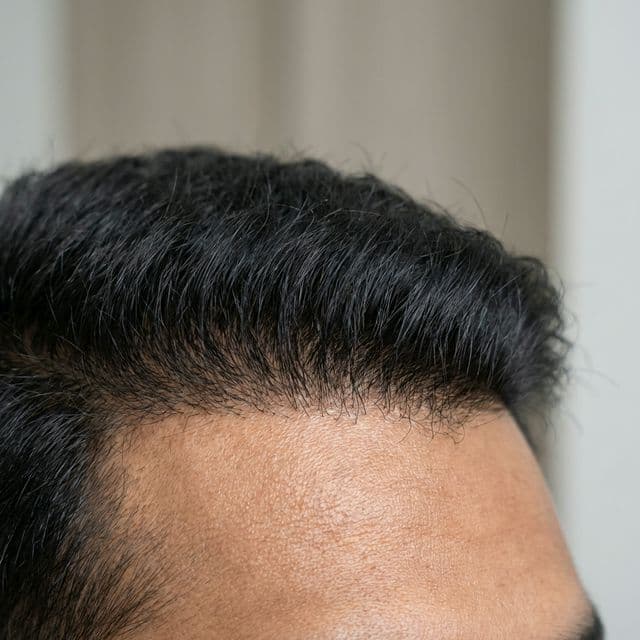
A hair transplant moves follicles from a donor area, usually at the back and sides of the scalp, to areas of thinning. FUE and FUT are different ways of collecting the grafts. Neither name guarantees safety or results. The important points are diagnosis, donor planning, sterile practice, medical supervision and aftercare.
The American Society of Plastic Surgeons notes that hair transplantation is normally safe when performed by a qualified and experienced surgeon. It also lists possible complications such as infection, bleeding, scars and grafts that do not grow as expected. Every patient heals differently. No clinic can honestly guarantee that every graft will survive or that the final density will match a digitally edited image.
The risks to understand before booking
The risks vary with health, scalp condition, technique, graft count and aftercare. Your surgeon should explain the risks in your own case, not give only general reassurance.
Infection, bleeding and swelling
Minor bleeding and temporary swelling can happen after surgery. Infection is uncommon when proper sterile care and aftercare are followed, but it is possible. Contact the clinic promptly if there is worsening pain, spreading redness, fever, pus or increasing swelling.
Scars and changes in feeling
FUE leaves small dot scars in the donor area. FUT leaves a linear scar. Scars can be more noticeable if grafts are removed too densely, the scalp heals poorly, or hair is worn very short. Temporary numbness or altered sensation can occur. It usually improves, but it should be discussed before surgery.
Shock loss and poor graft growth
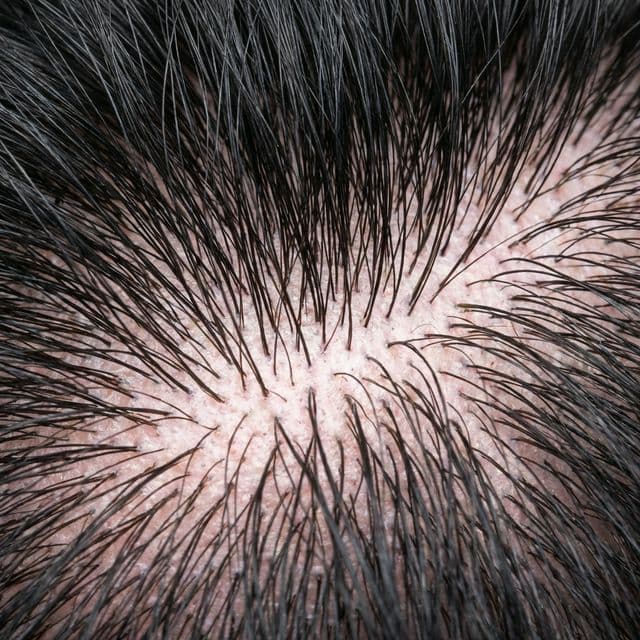
Some existing hair near the recipient area can shed after surgery. This is often called shock loss. It can be temporary, but people with very weak native hair need careful planning. Not every graft grows. Poor handling, infection, smoking, touching grafts early or poor scalp health can affect growth.
Overharvesting and an unnatural look
The donor area is limited. Taking too many grafts can leave the back and sides looking thin. A low, dense hairline may look attractive in a clinic drawing but can look unnatural as hair loss progresses. A safe plan saves grafts for the future and matches the hairline to age, face and expected pattern of hair loss.
Is a hair transplant permanent?
The word permanent needs a clear explanation. Transplanted follicles often keep the characteristics of the donor area, so they may continue growing for a long time. That does not mean the whole head of hair is protected for life.
Male pattern hair loss can continue in the native, non-transplanted hair. If that hair becomes thinner after surgery, the result can look patchy or separated. The ASPS specifically warns that continued hair loss can create this issue and may lead to a need for further treatment or surgery.
A long-term plan may include medical treatment for suitable patients, such as minoxidil or prescription medicines. These have benefits, limits and possible side effects. They should be discussed with a qualified doctor; do not start or stop prescription treatment based only on social media advice.
Does a hair transplant hurt?
The scalp is numbed with local anaesthesia. The injections can sting or feel uncomfortable for a short time. Once the area is numb, most people feel pressure, movement or mild pulling rather than sharp pain during the procedure.
Afterwards, the donor and recipient areas can feel sore, tight or tender for a few days. The clinic may prescribe pain relief and give washing and sleeping instructions. Pain that becomes severe, gets worse after improving, or occurs with fever, discharge or marked swelling needs medical advice.
The first week needs care. Do not rub, scratch or pick at grafts. Follow the clinic’s instructions for washing, exercise, headwear and sleeping. Heavy exercise, smoking and alcohol can affect healing, so ask for specific advice based on your health and procedure.
Does a hair transplant cause cancer?
No evidence shows that hair transplantation causes cancer. The procedure moves a person’s own hair follicles; it does not create a cancer process.
The real safety issue is different: a suspicious scalp lesion should be diagnosed first. Tell the doctor about a bleeding spot, a sore that does not heal, a fast-changing mole, a persistent crust, an unexplained lump or a previous skin cancer. Cosmetic graft placement should wait until the lesion has been assessed and treated if needed.
Who should wait before a hair transplant?
A hair transplant is not a good first step for everyone. It may be better to wait when hair loss has started suddenly, the pattern is changing quickly, there is active scalp inflammation, the donor area is weak, or the cause has not been diagnosed.
People with diffuse thinning, patchy loss, severe dandruff or scalp disease may need medical evaluation first. Young adults with quickly progressing male pattern loss may also need time and medical treatment before a permanent hairline is designed. A transplant cannot create unlimited density, and it cannot replace a weak donor supply.
Questions to ask at a consultation
- What is causing my hair loss, and is it stable enough to plan surgery?
- Who will make the hairline and perform or supervise the main steps?
- How many grafts are safe for my donor area now and later?
- What result is realistic for my hair type and degree of loss?
- What happens if my native hair keeps thinning?
- What aftercare and follow-up are included?
- What symptoms after surgery need an urgent call?
A good consultation should give clear answers. Be careful with promises of unlimited grafts, instant density, zero scars or guaranteed growth.
Frequently asked questions
Can a hair transplant fail?
Grafts may not grow as expected, and the cosmetic result may be poor if the donor area is overused or hair loss continues. Careful planning lowers risk but cannot remove it completely.
Will people be able to see that I had a transplant?
There is usually a short period of redness, scabbing and shedding. A natural long-term result depends on sensible hairline design, graft placement, donor management and continued planning for native hair.
Can I exercise after a hair transplant?
Light activity may be allowed early, but strenuous exercise and sweating are usually delayed. Follow the exact advice from your surgeon because the timing varies by technique and healing.
Do I need more than one procedure?
Some people do, especially with advanced hair loss or continued thinning. This is why donor supply and a long-term plan matter from the first consultation.
What is the safest way to choose a clinic?
Choose a clinic after a medical assessment, a clear donor plan and an explanation of surgeon involvement, risks and aftercare. Do not decide only from a low price, a technique label or an edited before-and-after image. See the hair transplant service page for the treatment overview and consultation process.
What recovery usually looks like
The first ten to fourteen days are mainly about protecting the grafts and allowing the donor area to heal. Small scabs, redness and mild swelling can be expected. The clinic should give written washing instructions and a contact number for problems. Do not copy another patient’s routine, because advice can differ based on the technique and the area treated.
Most transplanted hairs shed in the first few weeks. This is expected and does not by itself mean that the follicles have failed. New visible growth often starts later, and density develops gradually over months. The timing varies from person to person. Do not judge the final result in the first few weeks or from a single early photograph.
If redness, pain or swelling is getting worse rather than better, contact the treating clinic. Get urgent medical advice for fever, pus, severe bleeding, chest pain, breathlessness or an allergic reaction to a medicine.
How to lower avoidable risks
Tell the doctor about diabetes, high blood pressure, bleeding problems, allergies, smoking, regular medicines and previous scalp procedures. Some medicines and supplements can affect bleeding or healing. The surgeon will tell you if anything needs to be paused; do not make changes by yourself.
Smoking and nicotine can affect wound healing. Heavy alcohol use, poor nutrition and uncontrolled medical conditions can also make recovery less predictable. If you are asked to stop or reduce something before surgery, ask exactly how long and why.
Choose a clinic that is willing to say no or delay treatment when the diagnosis is unclear. A person who has sudden hair shedding after fever, weight loss, childbirth, illness or a new medicine may need medical treatment and time, not an immediate transplant.
Local anaesthesia and medical supervision
Hair transplantation is generally done under local anaesthesia. Local anaesthesia is common in outpatient procedures, but it still needs appropriate medical screening and monitoring. Tell the team if you have had a reaction to anaesthetic medicines before, if you have heart or breathing problems, or if you are taking blood-thinning medicines.
The choice of clinic should not depend only on whether it uses FUE, DHI or a robotic device. Ask who examines you, who designs the hairline, who performs the steps that affect graft quality, and who is available after the procedure. Technique names are not a substitute for a safe plan.
Why the cancer concern deserves a clear answer
People sometimes worry that cutting the scalp or moving hair follicles could trigger cancer. A hair transplant does not cause cancer. However, hair loss and scalp disease can sometimes hide a lesion that needs medical care. This is why an examination before surgery matters.
A suspicious mark should not be shaved over, photographed for a marketing plan or covered with grafts. If it changes in colour, size, shape or sensation, bleeds, forms a persistent crust or fails to heal, ask for medical assessment first. This is a safety step, not a reason to panic.
Setting a realistic long-term plan
The safest plan is often conservative. It uses the donor area carefully, avoids an overly low hairline, and allows for the fact that native hair may continue to thin. Some people are better served by medical treatment first, a smaller first session, or a staged approach.
A transplant can improve coverage, but it cannot recreate the density of a full teenage head of hair across a large bald area. Clear planning now reduces the chance of chasing repeated procedures later.
Before-and-after photographs: use them carefully
Before-and-after photographs can show a clinic’s work, but they do not predict your result. Ask whether the photographs show the same lighting, hair length and styling. Look for donor-area photographs as well as the hairline. Ask how many months after surgery the photograph was taken and whether the person had medical treatment for existing hair.
A realistic consultation should use your donor density, hair texture, scalp size and future hair-loss pattern to explain what may be possible. A very dense result on a person with thick donor hair does not mean the same graft count will suit every patient.
The key message
A hair transplant can be a safe option when it is planned as medical treatment, not a quick cosmetic purchase. The procedure needs a clear diagnosis, a protected donor area, an honest discussion about ongoing hair loss and proper aftercare. The best result is one that still makes sense if your hair changes over the next several years.
References
- American Society of Plastic Surgeons: Hair transplantation risks and safety: https://www.plasticsurgery.org/cosmetic-procedures/hair-transplantation-and-restoration/safety
- Mayo Clinic: Hair loss overview and when to seek assessment: https://www.mayoclinic.org/diseases-conditions/hair-loss/symptoms-causes/syc-20372926