How to Prepare for a Hair Transplant: Medicines, Smoking and Recovery Planning
Quick answer
Good preparation starts with an honest medical history, a scalp and donor-area assessment, a clear plan for future hair loss and practical support for the first few days. Your surgeon should review medicines, vitamins, herbal products, smoking, alcohol, allergies and medical conditions before confirming the date. Do not stop a prescribed medicine or start a supplement without speaking to the doctor who manages it. If you are considering treatment in Hyderabad, start with the hair transplant service page and ask who will examine you, design the plan and perform the procedure.
A hair transplant is still surgery
A hair transplant is usually an outpatient procedure. Follicular unit extraction (FUE) removes individual grafts from a donor area. Follicular unit transplantation (FUT) removes a strip of hair-bearing skin and closes the donor wound. The method, session size, anaesthesia plan and aftercare depend on your hair loss and health. The aim is not simply to move as many hairs as possible. It is to use the donor supply carefully and create a plan that still looks reasonable if native hair continues to thin.
The American Society of Plastic Surgeons says hair transplant surgery commonly uses local anaesthesia, sometimes with sedation. You may be awake and aware of pressure or pulling while the scalp is numb. Your clinic should explain the planned anaesthesia and what you need to do about food, drink and medicines.
Before you book the date
Confirm the diagnosis and the reason for hair loss
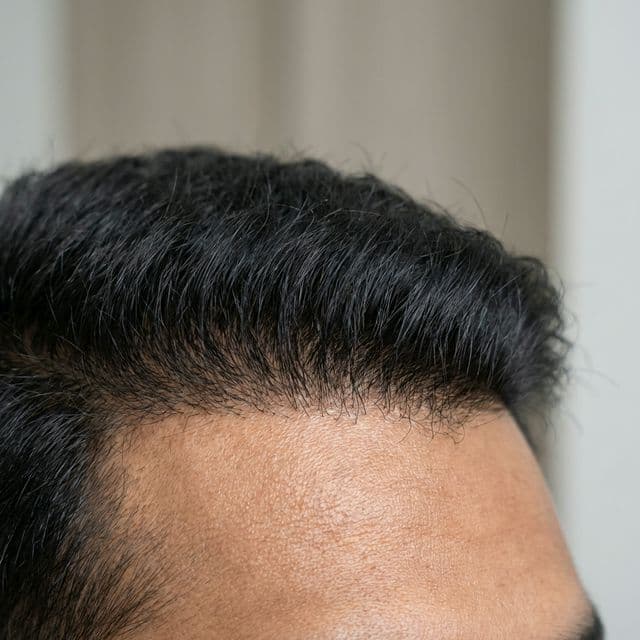
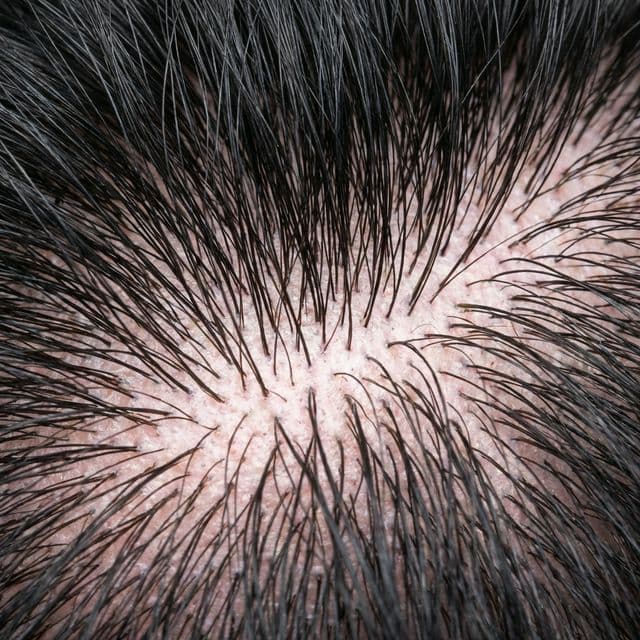
Not every type of hair loss should go straight to transplantation. Pattern hair loss, patchy loss, inflammatory scalp disease, scarring alopecia, traction and sudden shedding may need different assessment. A dermatologist or hair-restoration surgeon should examine the scalp, ask when the loss began, look at the donor area and consider whether tests or medical treatment are needed. A transplant cannot correct an untreated scalp disease or guarantee density where the donor area is weak.
Discuss expectations and future thinning
Bring a simple description of what you want to improve: the hairline, temples, crown or overall density. Ask what the plan is trying to achieve and what it cannot achieve. A mature hairline may need fewer grafts than a very low hairline. Treating the crown first may use donor hair that could later be needed elsewhere. Your age, pattern of loss, hair thickness, curl, contrast with the skin and donor density all matter.
Ask how the clinic protects the donor area, how graft numbers were estimated and who will make the incisions or place the grafts. You should know the surgeon responsible for your care and the follow-up plan. Do not choose only by a package price or edited photographs.
Give a complete medicine and health history
At the consultation, tell the doctor about:
- prescription medicines, especially blood thinners, medicines for blood pressure or diabetes, and medicines that affect bleeding
- painkillers, vitamins, fish-oil products, herbal products and gym or bodybuilding supplements
- drug allergies, bleeding problems, diabetes, high blood pressure, heart or lung disease, seizures and previous anaesthesia problems
- skin conditions, scalp infections, keloid scars, previous hair procedures and any recent illness
- smoking, vaping, alcohol and recreational drug use
- any medicine or treatment you use for hair loss, including minoxidil or finasteride
This list is not a reason to hide information. It helps the team decide whether the procedure is safe, whether a medicine needs a planned change and whether the date should move. The NHS advises patients to bring an accurate list of medicines, vitamins and herbal supplements to pre-operative assessment.
Do not change medicines by yourself
Some medicines and supplements can increase bleeding or interact with anaesthesia. Others are important for controlling a long-term condition. Your surgeon and the prescribing doctor may need to agree on any temporary change. Ask for written instructions that name the product, the last dose and when it can be restarted. If you have diabetes, take insulin or have a condition that affects healing, ask how the procedure-day plan will be adjusted.
Smoking, vaping and alcohol
Smoking can reduce blood flow to skin and interfere with healing. The ISHRS also warns that tobacco exposure may increase bleeding or compromise the blood supply needed by transplanted grafts. ASPS advises stopping smoking at least one to two weeks before surgery, but your surgeon may advise a longer period and may ask you to remain smoke-free during early healing. Vaping is not a safe way to avoid this discussion because nicotine and other inhaled substances can still affect health.
Tell the team honestly how much you smoke or drink. Do not use alcohol to calm nerves before the procedure. Ask when alcohol can be restarted after surgery, especially if you are taking pain medicine or antibiotics. If stopping nicotine is difficult, ask your regular doctor for support rather than hiding it from the surgical team.
Scalp and hair preparation
Follow the clinic’s instructions about washing your hair, trimming or shaving, hair products and scalp treatments. Do not apply new oils, dyes or irritating products immediately before the procedure unless the clinic says they are acceptable. Do not assume that shaving or not shaving is always required: FUE and FUT plans differ, and some clinics can adapt the trimming pattern.
Tell the clinic if you develop dandruff with inflammation, sores, a scalp infection, fever, cough or cold before the date. A new illness may mean the procedure should be delayed. Do not scratch or pick the scalp while waiting.
Plan the procedure day
Hair-transplant sessions can take several hours, depending on the number of grafts and the technique. Plan a calm day and wear a loose, front-opening shirt or zip-up top so clothing does not rub over the scalp when you return home. Follow the clinic’s exact instructions about eating and drinking. Fasting rules depend on the anaesthesia and the facility; do not invent your own fasting plan.
Arrange for an adult to take you home if sedation is used or if the clinic requires it. Even when the procedure is outpatient, you may feel tired or uncomfortable. Keep your first night simple. Have prescribed medicines, clean pillows, water and easy food ready. Ask whether you should sleep with your head raised and whether the clinic supplies a dressing or spray.
Plan work, travel and support
Look at your calendar before choosing a date. You may have small scabs, swelling or a visible change in the donor area during early healing. Desk work may be easier than outdoor work, dusty work, heavy lifting or a job that requires a helmet. Ask when you can return to each task rather than relying on a general promise about “downtime”.
If you live outside Hyderabad, ask how soon the first review should happen and whether the clinic has a plan for questions after you travel home. Keep the clinic’s phone number, discharge instructions and emergency contact in your phone. If you are travelling by air, ask the team about timing, luggage handling, sun exposure and what to do if swelling or bleeding occurs away from the clinic.
Consent should be a real conversation
Consent is more than signing a form. Before the procedure, you should understand the proposed technique, the areas to be treated, the expected visible change, the limits of donor supply, likely recovery, common problems and serious but less common risks. Ask how a poor growth result, infection, bleeding, overharvesting or an unnatural hairline would be managed. You should also know whether later sessions may be needed.
A useful consultation leaves time for questions and does not pressure you to pay on the same day. You can ask for the written plan, cost inclusions, follow-up schedule and contact details before making a decision. A responsible clinic will be able to explain why a particular graft number and hairline suit you.
Questions worth asking before consent
- Who will examine me and who will perform each part of the procedure?
- Which technique is planned, and why is it suitable for my donor area and pattern of loss?
- How many grafts are planned, and what happens if the donor area cannot safely provide that number?
- What are the common problems and the less common serious risks?
- What should I do with each medicine, supplement and hair-loss treatment?
- When can I wash my hair, return to work, exercise, wear a helmet or travel?
- Who should I contact at night or on a holiday if there is bleeding, severe pain, fever or worsening redness?
- When are follow-up visits planned, and when should growth be judged?
The first week is part of the plan
Preparation is not finished when the grafts are placed. Grafts need protection while they settle. Follow the clinic’s instructions about touching the scalp, washing, sleeping position, hats, exercise and sun exposure. Do not compare your scalp with another patient’s timeline. Temporary swelling, crusting, numbness and shedding can occur, but your own clinic should tell you what it expects and what needs review.
Contact the clinic promptly if you have bleeding that does not settle with the advised pressure, severe or increasing pain, fever, spreading redness, pus, marked swelling, breathing difficulty or an allergic reaction. These signs do not prove a serious problem, but they should not be ignored.
What preparation cannot guarantee
Good preparation lowers avoidable problems, but it cannot guarantee a particular hairline, density or growth rate. Hair characteristics, donor supply, future hair loss, healing and the quality of the plan all affect the result. A responsible consultation may recommend medical treatment first, waiting until the pattern is clearer or doing fewer grafts than you expected. That is part of safe planning, not a failure to help.
FAQs
Should I stop minoxidil before a hair transplant?
There is no single rule for every patient or technique. Some clinics ask patients to pause or continue it for specific reasons. Ask your surgeon for a written plan and do not stop a prescribed treatment without medical advice.
Can I have a hair transplant if I smoke?
Smoking does not always make surgery impossible, but it can affect blood flow and healing. Tell the surgeon how much you smoke. You may be asked to stop before and after the procedure, and the date may need to change if the risk is not acceptable.
What should I eat before a hair transplant?
Follow the instructions from your clinic and anaesthesia team. Some outpatient procedures allow normal food, while sedation or another anaesthesia plan may require fasting. Do not eat or drink against the instructions, and tell the team if you have diabetes or take insulin.
How many days should I take off work?
This depends on the technique, your work, visible crusting or swelling and how comfortable you feel. Desk work may be possible sooner than outdoor, dusty, physically demanding or helmet-based work. Your surgeon should give a personalised timeline rather than a promise that fits everyone.
What is the safest next step?
If you are considering a transplant in Hyderabad, book an assessment that includes the diagnosis, donor-area examination, graft plan, medicine review and aftercare instructions. You can read about hair transplant planning and treatment options before your consultation, but an online article cannot decide whether surgery is suitable for you.
References
American Society of Plastic Surgeons: Hair Transplantation and Restoration – Preparation
Cleveland Clinic: Hair Replacement Surgery
NHS: Before surgery – having an operation