Quick Answer
The most important factor in any cosmetic surgery outcome is the surgeon you choose — not the clinic's marketing, not the before-and-after photos on the website, and not the price. Choosing well means verifying formal qualifications in plastic surgery, asking specific questions about how they approach your procedure, and paying close attention to how the consultation is conducted. A surgeon who listens, explains, and gives you honest answers — including about what is not achievable — is far more valuable than one who agrees with everything you want.
Why This Decision Matters More Than Any Other
Cosmetic surgery outcomes are largely permanent. Unlike a bad haircut or an ill-fitting garment, a poorly planned or executed surgical result is not easily undone. Revision surgery is more complex than primary surgery, more expensive, and sometimes limited in what it can correct. The single most effective thing you can do to protect yourself is to invest time in choosing the right surgeon before you commit.
This guide gives you a structured way to do that.
Step 1: Verify the Qualification — Not Just the Title
In India, the legitimate postgraduate qualification in plastic surgery is MCh (Plastic Surgery) or DNB (Plastic Surgery). These are 3-year surgical residency programmes completed after an MS in General Surgery. A surgeon with one of these degrees has received formal, supervised training in reconstructive and aesthetic plastic surgery.
Be cautious of:
- MBBS-only practitioners performing aesthetic procedures without plastic surgery training
- Dermatologists performing surgical body contouring procedures beyond the scope of dermatology
- "Cosmetic surgeons" whose degree does not specifically train them in the procedure being offered
- Certificates from short courses being presented as equivalent to a surgical residency
You can verify credentials by asking directly, checking the MCI/NMC registration, or looking up the surgeon on the hospital credentialing system. A qualified surgeon will never object to this question.
Step 2: Look for Procedure-Specific Experience
Plastic surgery is a broad specialty. A surgeon may be highly skilled at reconstructive microsurgery but have limited experience in aesthetic rhinoplasty. Ask directly: how many times have you performed this procedure in the last 12 months? What is your specific training in this technique?
Volume matters for complex procedures — not because high volume guarantees quality, but because the learning curve for most aesthetic procedures is significant and the surgeon's patterns of decision-making, complication management, and outcome consistency develop through repetition.
Step 3: Evaluate the Consultation — It Tells You Everything
The consultation is not just an information-gathering session. It is a direct indicator of how the surgeon will approach your surgery. Good signs:
- The surgeon examines you thoroughly before discussing options, not the reverse
- They explain what is achievable and — critically — what is not achievable given your specific anatomy
- They discuss risks clearly and specifically, not in vague, dismissive terms
- They give you time to ask questions and answer them without rushing
- They do not pressure you toward a decision during the first appointment
Red flags:
- The consultation is brief and primarily handled by staff rather than the surgeon
- Pricing is the first or dominant topic
- They agree with everything you say you want without clinical pushback
- They cannot explain the specific technique they will use or why
- Before-and-after photos are shown but the surgeon cannot discuss the cases in detail
A surgeon who tells you that what you want is not fully achievable — and explains why — is demonstrating clinical honesty. That is a positive sign, not a reason to go elsewhere.
Step 4: Ask About Before-and-After Photos — and Look at Them Critically
Ask to see before-and-after photos specifically for the procedure you want, on patients with similar anatomy to yours. Assess:
- Is the result natural-looking, or obviously "done"?
- Are photos standardised (same lighting, same angle, same distance) or cherry-picked to flatter?
- Does the surgeon have a range of results, including modest improvements — or only dramatic transformations?
- Can they show you long-term results (1+ year post-op), not just 6-week swollen comparison photos?
A lack of representative photos is a concern. Overly selected, dramatic before-and-afters with poor standardisation are also a concern — they suggest either limited experience or poor transparency.
Step 5: Ask These 8 Specific Questions
Before committing to any surgeon, get clear answers to these:
- What specific technique will you use for my procedure and why is it right for my anatomy?
- What is your complication rate for this procedure, and what are the most common issues you have managed?
- If I am not happy with the result, what is your revision policy?
- Will you personally perform the surgery, or will a registrar or trainee be doing any part of it?
- Where will the surgery be performed, and what anaesthesia team will be involved?
- What is included in your fee — follow-up visits, compression garments, scar treatment?
- How many times have you performed this specific procedure in the last year?
- Can you show me photos of patients with similar anatomy to mine?
A confident, qualified surgeon will answer all of these directly and without defensiveness. Evasive, vague, or dismissive responses to any of these questions are a meaningful red flag.
Step 6: Price Is a Poor Proxy for Quality (in Either Direction)
The most expensive surgeon is not necessarily the best one, and the cheapest quote is a serious warning sign for complex surgery. Dramatically low prices for surgical procedures involving anaesthesia, a qualified team, a proper facility, and quality implants or materials are not possible without cutting something — and you do not want to find out what was cut after the fact.
Evaluate price in the context of what is included: surgeon fee, anaesthesia, facility, follow-up care, and implants or materials if applicable. A transparent, itemised quote from a credentialled surgeon in a proper facility is worth more than a low all-in number with no breakdown.
Step 7: Be Wary of Guaranteed Results and Pressure Tactics
No reputable surgeon guarantees a specific outcome. They can describe likely outcomes based on experience and your anatomy, but surgical results involve variables — individual healing, tissue response, anatomy — that cannot be fully controlled. A surgeon who promises you exact results, or who uses urgency or special pricing to push you toward a quick decision, is not operating with your interests as the priority.
Take your time. Get more than one consultation if you are uncertain. The right surgeon will not pressure you.
Step 8: Trust the Process at Inform Clinic
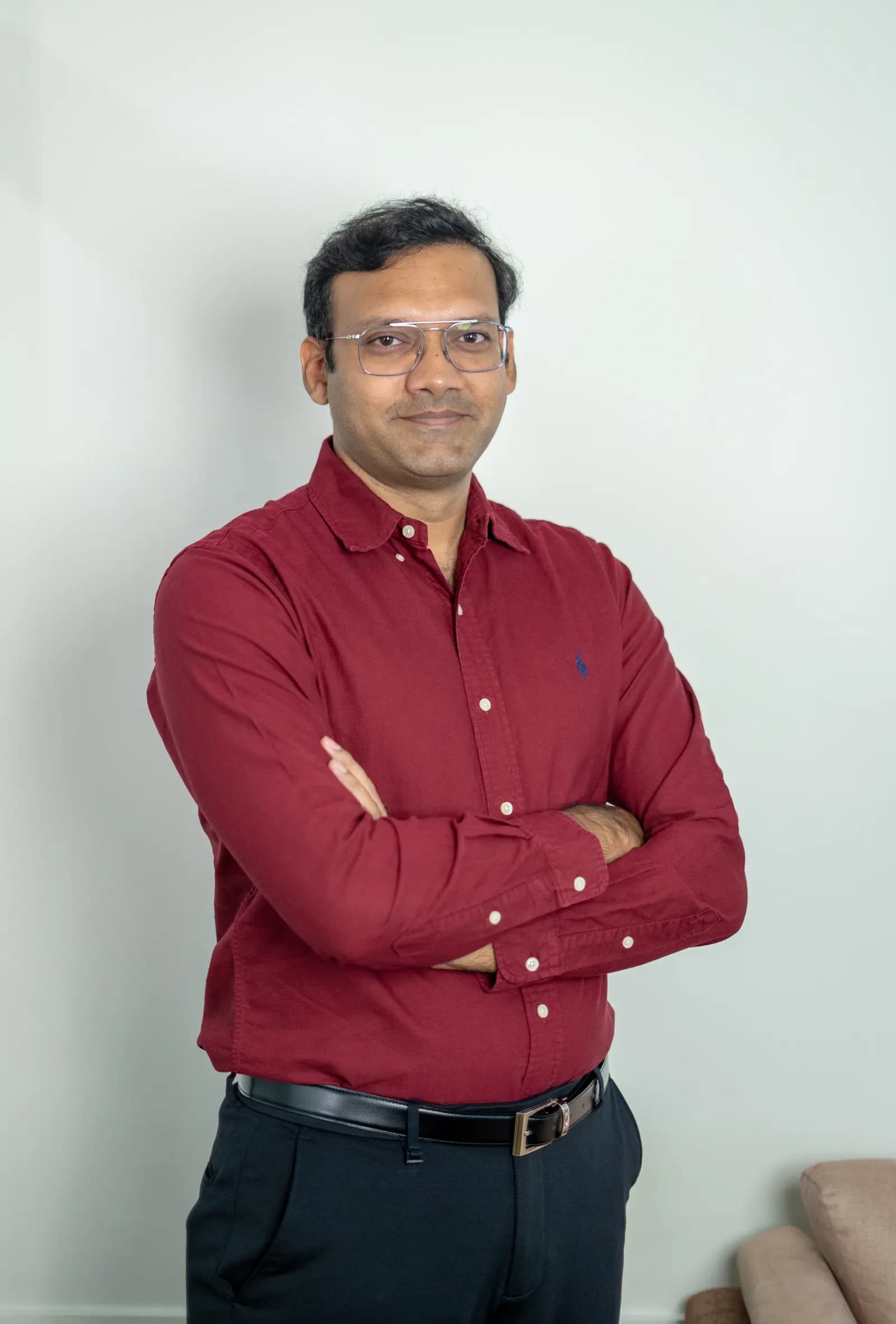
At Inform Clinic in Hyderabad, Dr. Dushyanth Kalva holds an MCh in Plastic Surgery and approaches consultations with an emphasis on honest, anatomy-based planning. Procedures are explained in detail, risks are discussed transparently, and patients are told directly when their goals require modification to be safely achievable.
If you are beginning your search for a plastic surgeon in Hyderabad, a consultation at Inform Clinic is a good starting point — not just for a surgical decision, but to understand what is genuinely possible for your specific anatomy and goals.