Quick answer
A hair transplant is usually a same-day procedure. Many sessions take several hours, but the exact time depends on the number of grafts, the size of the area, the harvesting method, the clinic team and whether the plan is completed in one session or staged. The NHS says hair transplants usually take a day and that larger areas may need two or more sessions on different days. Most people go home the same day rather than staying overnight.
The operation time is only one part of the plan. You also need time for consultation, hairline and donor-area planning, local anaesthetic, breaks, dressing, travel home and early aftercare. If you are arranging a transplant in Hyderabad, allow a full day for the procedure and keep the next day light. Your surgeon should give you a personal estimate after examining your scalp and deciding how many grafts are reasonable.
A hair transplant moves follicles from a donor area to a thinning or bald area. It does not create new hair. That means a longer session is not automatically a better session. The safe plan is the one that protects the donor area, handles grafts carefully and suits your future hair loss.
What makes a hair transplant take longer?
There is no single standard duration because every transplant is planned around the person. The main factors are:
- The number of grafts planned. A smaller hairline session usually takes less time than a large frontal and crown session.
- The area being treated. A hairline needs careful design and natural angles. A crown can require a wider distribution of grafts.
- The harvesting method. FUE removes grafts one by one. FUT removes a strip of hair-bearing scalp and divides it into grafts. Each method has different steps and closure needs.
- Hair and skin characteristics. Curly hair, fine hair, previous scars and a less clear separation between follicles can make graft handling slower.
- The number of people involved. A trained team may prepare grafts while the surgeon performs the key parts, but the work still needs careful coordination.
- Whether the session is staged. A large area may be divided across separate days so the donor supply and the recipient area are not overworked.
A quote based only on a very large graft number should be treated carefully. Ask how the number was assessed, which areas will be covered, what density is realistic and how future thinning has been considered. The hair transplant service page explains why examination and donor planning matter before choosing a procedure.
How long does the consultation and planning take?
The consultation may be shorter than the operation, but it is one of the most important parts. A proper assessment should look at the pattern and cause of hair loss, the stability of the loss, the density and quality of the donor area, scalp health, medicines, previous procedures and your expectations.
The surgeon should discuss the hairline position, the direction and angle of growth, the areas that can be covered, and what cannot be achieved safely. The plan should also account for hair that may continue to thin around the transplanted hair. A hairline that looks dense on the day of surgery may not age well if the surrounding loss is ignored.
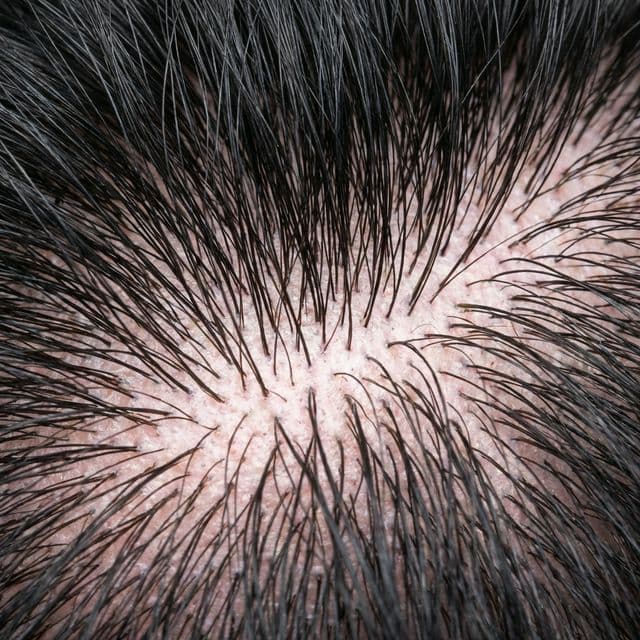
Sometimes the safest first step is to treat or investigate the cause of hair loss before considering surgery. Sudden shedding, patchy loss, scalp inflammation, scarring, or unexplained loss should not be treated as routine male-pattern baldness without an examination.
Planning may include photographs, scalp examination and, when needed, tests or a referral. Do not be surprised if a responsible surgeon recommends waiting. A delay can protect donor hair and improve the long-term plan.
What happens on the procedure day?
Arrival and final checks
The team usually confirms your medical history, medicines, allergies, consent and the areas to be treated. The hairline and donor area are marked while you are sitting or standing, because a hairline should suit the face rather than be drawn only when the scalp is reclined. You should have a chance to ask questions before the procedure begins.
Do not drive yourself home if sedation is being used. Arrange an adult to accompany you and follow the clinic's instructions about food, alcohol, smoking and medicines. The exact instructions vary, so your own clinic's advice takes priority.
Numbing the scalp
Hair transplants are commonly performed with local anaesthetic, sometimes with sedation. You remain awake in many cases, but the scalp is numbed so you should not feel the main surgical steps. The injections may briefly sting or feel like pressure. Tell the team if you are uncomfortable rather than trying to tolerate it silently.
The anaesthetic and the preparation time are part of the full appointment. A procedure described as “six hours” may include positioning, cleaning, marking, local anaesthetic, breaks and dressing, not six hours of uninterrupted graft placement.
Harvesting the grafts
In FUE, individual follicular units are removed from the donor area using a small punch. The grafts are then checked and kept in a suitable solution until they are placed. In FUT, a strip is removed from the donor scalp and closed, and the strip is divided into individual grafts under magnification.
FUE does not mean there is no surgery or no risk. It leaves many small extraction sites and can reduce donor density if too many grafts are taken. FUT creates a linear scar but may be useful in selected patients. The right choice depends on the examination, hair characteristics, donor reserve, hairstyle and long-term plan.
Preparing and placing the grafts
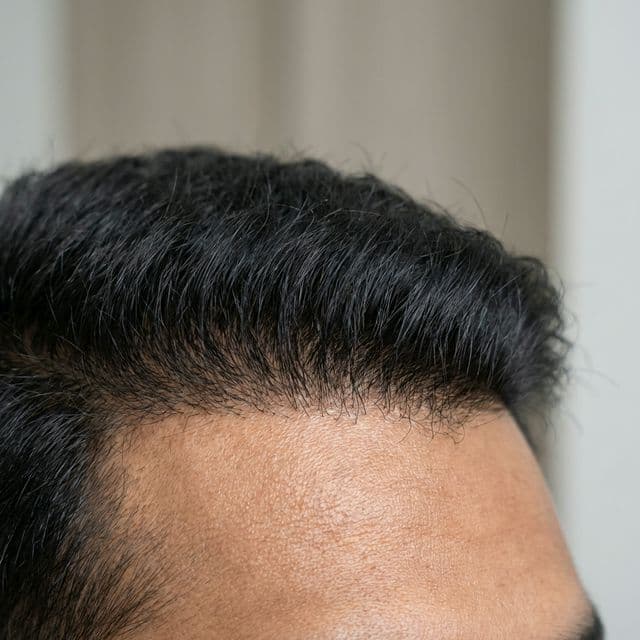
The recipient area is prepared with small openings or sites that match the planned direction and angle of the hair. Grafts are then placed carefully. The hairline usually uses finer, smaller grafts to avoid a plug-like appearance. More hairs per graft may be used behind the hairline when appropriate.
This stage is detailed work. The final appearance depends on planning, graft quality, placement and healing, not simply on the number of grafts placed. Breaks may be needed during a long session so that you and the team remain comfortable and focused.
Dressing and going home
At the end, the scalp is cleaned and a light dressing may be applied. The clinic should explain how to protect the grafts, how to sleep, when to wash, what medicines to use and who to contact if there is a problem. Most patients leave on the same day. The NHS notes that an overnight stay is usually not needed.
How long do FUE and FUT take?
FUE and FUT cannot be compared by a fixed number of hours because the session size and team setup vary. FUE can take longer when many grafts are removed individually. FUT may have a shorter harvesting phase for some plans, but it includes strip removal, closure and graft dissection.
The important question is not “Which one is fastest?” It is “Which method suits my donor area, hair loss pattern, goals and future options?” The International Society of Hair Restoration Surgery explains FUE and FUT and notes that the exact process can vary between practices.
A clinic should be able to tell you who will perform each key step, how grafts will be handled, how many grafts are planned and why the method was selected. Ask for a written plan rather than relying on a generic package or a promise of a particular number of grafts.
How much time should you keep free for recovery?
The operation may finish in one day, but the scalp needs more time. The NHS advises that some patients may need one to two weeks away from work, while Cleveland Clinic describes many people returning to work and light activity after a few days. These ranges are not contradictory: recovery depends on the technique, the extent of treatment, the work environment and how visible the early crusting or swelling is.
Plan for at least the procedure day and the following day to be quiet. If your work is public-facing, outdoors, physically demanding or requires a helmet, ask for a more specific timeline. A desk job from home may be possible sooner than a job involving heat, dust, bending, lifting or close contact with other people.
The American Society of Plastic Surgeons recovery guidance says that light activity may resume after several days, but strenuous exercise and contact sports are often restricted for at least three weeks. Your surgeon may give a different schedule based on your healing.
During the first days, swelling, tightness, small crusts and an achy scalp can occur. The grafts need protection, especially during the first two weeks. Do not touch, scratch, rub or wash them in a way your clinic has not approved. Travel, work and exercise plans should be built around those instructions.
When will the hair results appear?
The length of the appointment should not be confused with the length of the result. Transplanted hairs often shed in the weeks after surgery. That can look worrying, but it can be part of the normal cycle while the follicle remains in the scalp. The NHS says new hair usually starts to appear after about four months and that full results may take 10 to 18 months.
Cleveland Clinic says the full result can take up to a year, while other patients continue to see refinement later. The exact timing varies with the person, the area treated and the growth cycle. A transplant cannot be judged properly in the first few weeks.
The result also depends on what happens to native hair. Transplanted follicles may continue to grow, while untreated hair around them can thin. Your surgeon may discuss medical treatment or monitoring for native-hair loss, but those decisions require individual advice. Do not start or stop prescription medicines based only on a blog article.
Can a large transplant be done in one day?
Sometimes a larger session can be completed in one day, but a large graft number is not suitable for everyone. The donor area may not safely provide the requested amount. The recipient area may not be able to accept a dense plan in one sitting. Long sessions can also be tiring for the patient and the team.
A staged plan may be safer or more realistic. It can allow the scalp to heal between sessions and help the surgeon review how the first area is settling. It may also preserve donor hair for future needs. The right answer comes from examination, not from a standard number advertised online.
Be cautious about pressure to book immediately, claims that everyone needs the same graft count, or promises of instant density. A responsible discussion should include limitations, possible complications, continued hair loss and what happens if the result is less dense than hoped.
When should you postpone a hair transplant?
A consultation should pause the plan if the cause of hair loss is unclear, the loss is changing quickly, the scalp has active infection or inflammation, the donor area is weak, or expectations are not realistic. It may also be sensible to wait if you have recently changed treatment and the pattern has not stabilised.
Tell the surgeon about blood-thinning medicines, allergies, bleeding problems, immune conditions, smoking, alcohol use, supplements and previous scalp surgery. Do not stop prescribed medicines without medical advice. These details can change the timing and safety of the procedure.
If someone promises a fixed result without examining you, treats the graft number as the main measure of quality, or cannot clearly explain who performs the surgery, seek another opinion.
Warning signs after the procedure
Contact your clinic promptly if you develop severe or increasing pain, heavy bleeding, rapidly worsening swelling, spreading redness, fever, pus, breathing difficulty, or another symptom that concerns you. The NHS advises contacting the clinic as soon as possible for severe pain or unexpected symptoms.
Mild tightness, swelling, crusting and an achy scalp can be expected, but a symptom that is getting worse rather than settling deserves review. Do not wait for an online timeline to overrule the instructions given by the team that treated you.
Frequently asked questions
Is a hair transplant completed in one day?
Often, yes. Most routine sessions are outpatient and take a full day, with no overnight stay. A larger area may need more than one session on different days. The clinic should give you an estimate based on the planned grafts and technique.
How many hours does a hair transplant take?
Many sessions take several hours, but there is no safe universal number. Harvesting method, graft count, area, hair characteristics, breaks and team setup all affect the time. Allow the whole day rather than planning another important appointment immediately afterwards.
Can I return to work the next day?
Some people can do light work within a few days, but visible crusts, swelling or discomfort may make this impractical. The NHS says one to two weeks off may be needed. Your job, technique and healing should guide the decision.
Does a longer hair transplant give better results?
Not necessarily. A longer session may cover a larger area, but safety, donor preservation, graft handling and realistic density matter more than the clock. A staged plan may be better for some patients.
How long before transplanted hair grows?
New growth commonly starts after a few months. Early shedding can occur, and the full result takes much longer. The NHS gives a broad guide of about four months for new hair to appear and 10 to 18 months for the full result.
Can I exercise after a hair transplant?
Walking and light activity may return first, but strenuous exercise and contact sports are usually restricted for a period. ASPS says vigorous exercise and contact sports may be avoided for at least three weeks. Follow your surgeon's written advice.
References
- NHS: Hair transplant
- American Society of Plastic Surgeons: Hair transplant recovery
- Cleveland Clinic: Hair transplant
- Cleveland Clinic: Hair replacement surgery
- International Society of Hair Restoration Surgery: FUE
Practical takeaway
Plan for a full day for the procedure, but plan several weeks for the early recovery and many months for the result to mature. The number of hours is less important than a clear diagnosis, a conservative donor plan, safe graft handling and honest discussion of future hair loss. Before booking in Hyderabad, ask who will perform the surgery, how many grafts are planned, why that number is suitable, whether one or more sessions are needed, and what your written aftercare plan includes.