Quick Answer
There is no universal rule that every patient should treat the hairline or crown first. In many men with frontotemporal recession, the hairline is prioritised because it frames the face and produces the most noticeable change. In others, a large crown defect, a stable frontal hairline, or diffuse thinning across the mid-scalp makes crown-first or combined planning more sensible. The right sequence depends on age, pattern of hair loss, donor supply, hair calibre, the number of grafts available, and whether ongoing hair loss has been medically stabilised.
A well-planned hair transplant in Hyderabad is not simply a race to place the largest possible graft number. It is a long-term allocation problem: create a natural frame now, improve visible coverage, and retain enough donor hair for areas that may thin later. A surgeon should examine the scalp, map the safe donor zone, assess miniaturisation, and explain what is realistically achievable before recommending a sequence.
Why Hairline and Crown Planning Are Different
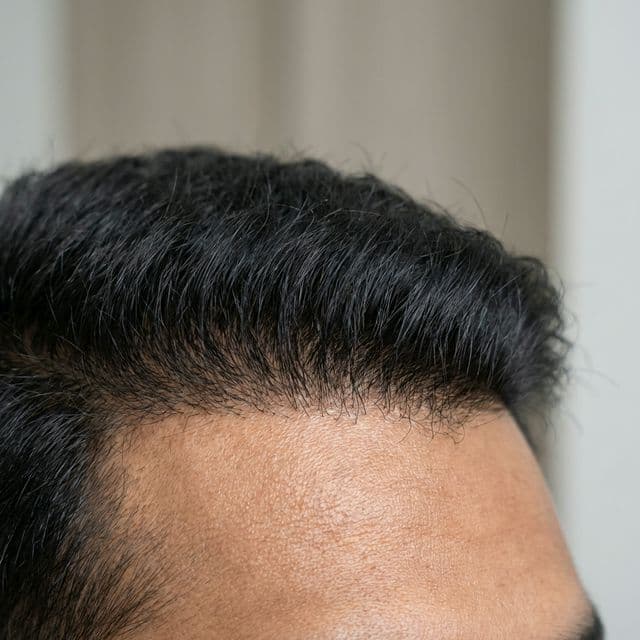
The hairline and crown have different aesthetic jobs. The hairline is a visible boundary between the face and scalp. It needs fine single-hair grafts, a soft irregular transition, correct angle, and an age-appropriate shape. A hairline that is too straight, too low, or too dense can look artificial even if the graft survival is good.
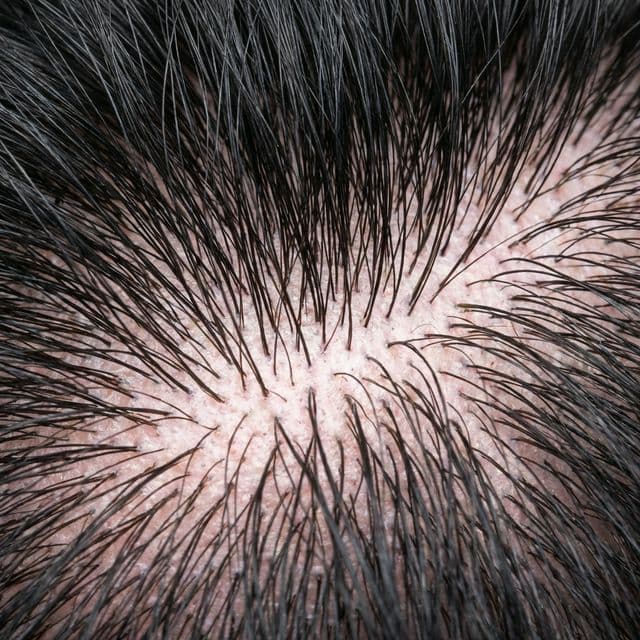
The crown, or vertex, is a circular area shaped by a natural whorl. Grafts must be placed in changing directions around the swirl rather than in parallel rows. Because the crown is curved, a large number of grafts may be needed to create the impression of coverage. The direction of overhead lighting, hair length, shaft thickness, and the contrast between hair and scalp also affect how full it looks.
These differences explain why a quote based only on a baldness grade or a photograph can be misleading. Two patients with apparently similar areas of loss may need different graft strategies. One may have coarse, wavy hair that gives good coverage with fewer grafts; another may have fine, straight hair and require more careful distribution.
The hairline is about framing and naturalness
Front hairline work is highly visible. It can improve the appearance of a high forehead, soften deep temple recession, and restore facial proportion. However, lowering the hairline consumes donor grafts. A young patient with active hair loss may later lose the hair behind a newly transplanted hairline, creating an unnatural island unless the treatment plan anticipates future recession.
The surgeon should therefore design the hairline for the patient’s age, facial structure, existing density, and likely progression—not for a temporary teenage hairline. A conservative, slightly irregular design often ages better than an aggressively low line.
The crown is about coverage and illusion
Crown restoration can make the scalp look less visible, but it is important to understand the visual trade-off. The crown is not usually filled with the same density as a natural teenage scalp because the available donor supply is limited. Strategic placement, preservation of existing hairs, and the use of appropriate graft groupings can create useful coverage without spending the entire donor reserve in one session.
A crown can also appear worse in photographs than in person because overhead light exposes the whorl. That does not mean every visible crown requires surgery. The first step is to distinguish a true stable bald spot from diffuse thinning that may respond to medical treatment or stabilisation.
When the Hairline Usually Comes First
Hairline-first planning is commonly considered when the frontal zone is the main cosmetic concern and the crown is either acceptable or still contains enough miniaturised hair to be supported. It may suit a patient who is bothered by temple recession when looking in the mirror, wants to restore facial framing, and has a donor area that can support a conservative first procedure.
It is also often considered for younger patients, but young age is not automatically a reason to operate. Active androgenetic hair loss should be assessed carefully. If the pattern is changing quickly, medication or observation may be advised before surgery. Transplanting into an unstable zone without protecting the native hair can lead to an uneven result over time.
Hairline-first planning may be reasonable when:
- The frontal hairline and temples are clearly recessed, while the crown remains visually acceptable.
- The patient’s main goal is improving facial framing rather than maximum overall coverage.
- The surgeon can design a conservative, age-appropriate hairline with a future-loss plan.
- The crown still has useful native hair density or responds to medical management.
- The donor area is limited and must be prioritised for the most visible zone.
This approach does not mean ignoring the crown. It means documenting the crown, monitoring it, and protecting the surrounding native hair so that the frontal improvement remains balanced with future changes.
When the Crown May Come First
Crown-first planning can be appropriate when the crown is the largest visible area of loss and the hairline is relatively stable. Some patients style their hair to cover frontal recession but cannot conceal a vertex opening under office lighting or when viewed from above. Others have had a previous hairline transplant and now need crown coverage to restore balance.
A crown-first plan may also be chosen when the crown defect is smaller and can be improved with a focused session, while the frontal area requires more extensive work that would be better staged after further assessment. The choice is not based on the crown being easier—it is based on which area produces the greatest improvement per graft for that patient.
Crown-first planning may be considered when:
- The frontal hairline is acceptable for the patient’s age and facial proportions.
- The crown is a defined, stable area of loss rather than rapidly expanding diffuse thinning.
- The patient’s hairstyle and daily lighting make the vertex the main concern.
- There is enough donor supply to improve the crown without compromising future frontal work.
- The surgeon can preserve the natural whorl and avoid placing grafts over unstable miniaturising hair.
The crown often takes longer to mature visually. Early growth can look sparse, and the final impression may continue improving as shafts thicken. Expectations should be set around improved coverage and reduced scalp show-through, not a guarantee of childhood density.
When Combining Both Areas Makes Sense
Some patients have meaningful frontal recession and crown thinning at the same time. A combined session may be considered when the loss pattern is sufficiently understood, the donor supply is strong, and the planned graft number can cover both zones without thinning the donor area excessively. The surgeon may use a larger share of grafts in the hairline and mid-scalp, then feather the crown, or divide the session according to the patient’s priorities.
A combined session is not always the best value simply because it is completed in one sitting. The surgeon must consider operating time, graft handling, recipient-site capacity, recovery, and the risk that future hair loss will expose untreated areas. In some cases, staging the procedures produces a more durable plan and makes it easier to reassess the native hair after the first result matures.
The mid-scalp is the bridge between them
The mid-scalp is easy to overlook. If the hairline is restored and the crown is filled but the mid-scalp remains thin, the result can look disconnected. A sensible plan often creates continuity from the frontal zone through the mid-scalp and into the crown rather than treating the two endpoints as isolated circles.
This is why a graft estimate should be mapped on the entire scalp. A patient may hear “2,500 grafts for the front” or “2,000 for the crown,” but the total plan must account for transition zones, existing hairs, and the possibility of future loss.
How Grafts Are Allocated in a Long-Term Plan
A graft is a naturally occurring follicular unit, not a single hair. It may contain one, two, three, or more hairs. The number of grafts required depends on the size of the recipient area, desired visual density, hair characteristics, and how much native hair is still present.
A responsible plan usually answers four questions:
- How many grafts are available in the safe donor zone today?
- How many grafts are required for the priority area to look natural?
- Which native hairs are miniaturising and may need protection?
- How many grafts should be reserved for possible future recession or repair?
Graft numbers should not be increased just to make a package sound more powerful. Overharvesting can visibly thin the donor zone and reduce options for later treatment. Overpacking a recipient area can also compromise blood supply and may not create the best visual result. The target is appropriate placement, not the biggest number on a quotation.
Density is not the same as graft count
Density describes how much hair is visible in an area; graft count describes how many follicular units are placed. The same graft count can look different in different patients. Coarse hair, natural curl, darker hair shafts, and lower scalp contrast can create more visual coverage. Fine hair, straight shafts, high scalp contrast, and diffuse thinning can make the scalp more visible.
For the hairline, single-hair grafts are often used at the leading edge, with two-hair and three-hair units behind them to build density. For the crown, grafts are oriented around the whorl and distributed to blend with native hair. The design is individual, not a template.
What About Medication, PRP, or Waiting?
A transplant moves permanent follicles; it does not stop ongoing hair loss in untreated native hair. For that reason, medical evaluation is important before deciding between hairline-first and crown-first surgery. Depending on the cause and pattern, a surgeon or hair-loss specialist may discuss evidence-based medication, observation, or adjunctive treatments such as PRP. These options do not replace a transplant when follicles are permanently miniaturised, but they may help preserve existing hair and clarify which areas truly need grafts.
Waiting can be useful when the pattern is changing, the patient is very young, the donor area is uncertain, or the perceived crown loss may be temporary shedding. Waiting is not a failure to act; it can prevent a premature hairline design that no longer matches the patient’s future pattern.
Recovery and Result Timing
FUE, FUT, DHI, and robotic-assisted approaches differ in extraction and implantation workflow, but the priority question remains the same: which follicles should be moved, where should they go, and how will the plan age? A typical procedure may take most of a day under local anaesthesia, while visible recovery varies by technique, graft count, skin response, and aftercare.
Most patients can expect small crusts or redness in the recipient area during the early healing period. The transplanted hairs may shed during the first weeks, which is expected and does not mean the follicles have been lost. New growth generally becomes more noticeable over several months, while maturation and thickening continue for many months thereafter. Crown results can appear slower because the whorl and longer hair shafts make density harder to judge early.
Follow the clinic’s washing, sleeping, exercise, medication, and follow-up instructions rather than copying a generic online timeline. Contact the treating team if pain, swelling, discharge, fever, or other unexpected symptoms develop.
Questions to Ask at a Hyderabad Consultation
A useful consultation should leave you with a map, not just a price. Ask the surgeon to show the proposed hairline, explain the crown strategy, and identify what happens if native hair continues to thin.
- Is my crown loss stable, diffuse, or still progressing?
- If we restore the hairline first, how will the crown be monitored?
- If we treat the crown first, how will you protect the frontal frame?
- How many grafts are present in my safe donor area, and how many should be reserved?
- Which graft types will be used at the hairline versus the crown?
- Is medication recommended before or after surgery for my pattern?
- What is included in the quote: surgeon involvement, facility, medicines, follow-ups, and any planned sessions?
- Can I see results from patients with a similar hair calibre, pattern, and graft plan?
Be cautious of anyone promising a fixed result from a photograph, guaranteeing a specific density without examining your scalp, or focusing only on a low per-graft price. The safest comparison is between complete treatment plans, surgeon accountability, donor preservation, and realistic follow-up.
Frequently Asked Questions
Should I do my hairline or crown first?
Usually, the area that is most visible and most important to your appearance is prioritised, but the decision depends on your pattern, donor supply, age, and future-loss risk. Many patients start with the hairline; some with a stable frontal zone and a prominent crown may reasonably start at the vertex.
Is crown hair transplant more difficult than hairline transplant?
They involve different design challenges. The hairline demands fine, irregular front-edge work and natural angles. The crown requires careful whorl reconstruction and often uses grafts across a broader curved area. Neither should be treated as a simple fill-in exercise.
How many grafts do I need for a hairline and crown?
There is no safe universal number. The estimate depends on the area, existing native hair, hair characteristics, desired coverage, and donor reserve. A consultation with scalp mapping is more reliable than an online calculator or package label.
Can I treat the crown without lowering my hairline?
Yes. If the hairline is acceptable, the crown can be treated as the priority while preserving the existing frontal design. The plan should still account for any miniaturisation behind the hairline and the possibility of future change.
Will a hair transplant stop future baldness?
No. Transplanted follicles are intended to be more resistant to pattern loss, but native hair around them can continue to thin. Medical management, monitoring, and a conservative design may help protect the long-term result.
Is FUE, DHI, or FUT automatically better for the crown?
No technique is automatically best for every crown. The choice depends on donor characteristics, graft requirements, previous procedures, surgeon assessment, and your priorities regarding scarring, recovery, and future planning. Technique names should not replace a personalised surgical plan.
Practical Final Takeaway
Choose the area that creates the greatest improvement per graft while protecting the result you may need years from now. For many Hyderabad patients, that means a conservative hairline-first plan with the crown monitored and medically supported. For others, a stable hairline and a conspicuous crown make crown-first planning sensible. The correct answer comes from scalp examination, donor mapping, age-appropriate design, and an honest conversation about future hair loss—not from a generic rule or the largest graft package.
If you are comparing hair transplant options in Hyderabad, bring photographs of your usual hairstyle, your previous hair-loss treatments, and your questions about future density to a consultation. A well-planned transplant should explain not only where grafts go today, but also how your hair restoration strategy remains credible as you age.