Quick answer: Scalp eczema does not automatically rule out a hair transplant. The important question is whether the diagnosis is correct and whether the skin in the donor and receiving areas is calm enough for surgery and healing. An itchy, cracked, wet or painful flare needs assessment first. There is no universal number of eczema-free days that makes a transplant safe. The decision depends on the type of dermatitis, its current activity, the cause of the hair loss and the condition of the donor hair.
If you are exploring a hair transplant, tell the clinician about any scalp rash even if it has settled on the day of your appointment. Photographs of a recent flare and a list of the products you use can make the assessment more useful. The aim is to plan around a real diagnosis, not to hide symptoms to keep a surgery date.
What does “scalp eczema” actually mean?
People use eczema to describe several itchy scalp problems. Atopic dermatitis is one type. It can cause itching, scale, redness or a burning feeling on the scalp. Contact dermatitis is another: the skin reacts to something touching it, such as a hair product. An irritant directly upsets the skin, while an allergen triggers an immune reaction. The American Academy of Dermatology (AAD) notes that shampoo, conditioner and hair dye can be relevant in some people. AAD: reasons a scalp itches; NHS: contact dermatitis.
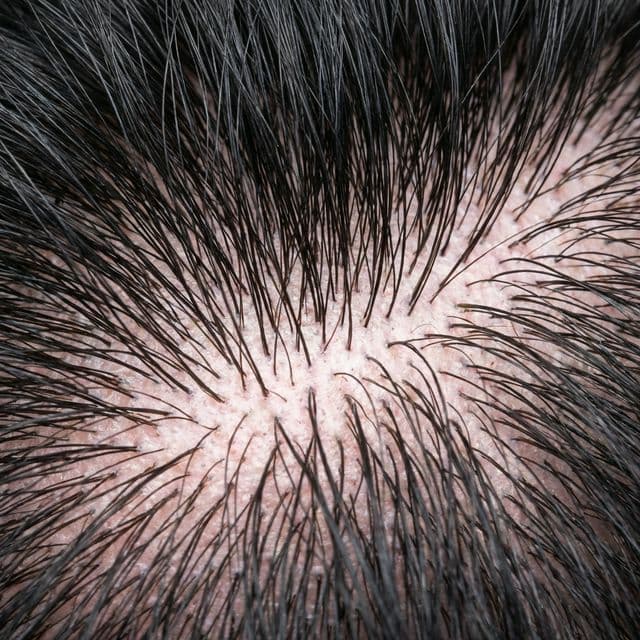
Flakes alone do not establish eczema. Dandruff, psoriasis, a fungal infection and other scalp conditions can look similar to someone checking in a mirror. Some also cause hair shedding or broken hairs. A dermatologist may need to examine the whole scalp and the pattern of hair loss. The AAD advises getting a diagnosis when the cause of an itchy scalp is unclear. AAD: dry scalp and other conditions; AAD: reasons a scalp itches.
Skin colour can change how inflammation looks. On brown skin, a patch may appear darker, purple or grey rather than bright red. Describe itching, soreness, oozing and changes over time, even when a photo does not show obvious redness. NHS: atopic eczema; NHS: contact dermatitis.
Why check eczema before transplant surgery?
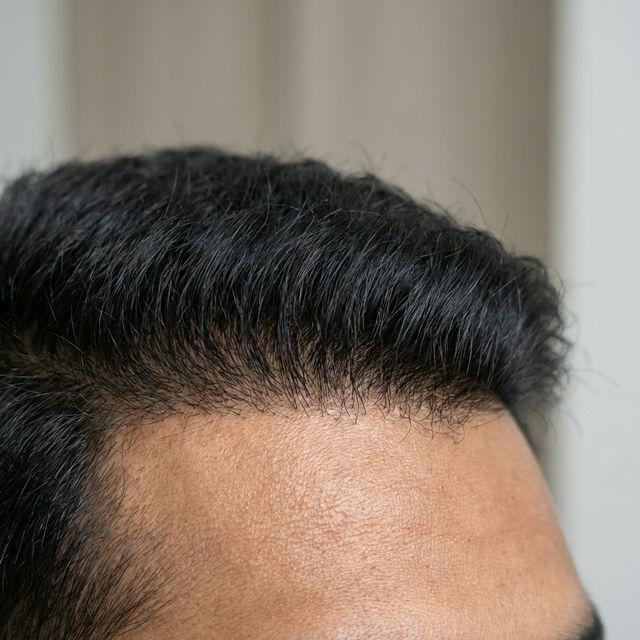
A transplant moves follicles from a donor area, often at the back or sides of the scalp, into a receiving area. Both areas are involved in the procedure. The surgeon needs to examine the skin as well as the density and quality of donor hair. A rash that affects only the hairline may still matter if products used there also irritate the donor area. ISHRS: hair transplant assessment.
Active eczema can mean scratching, cracks and fragile skin. It can also make ordinary aftercare uncomfortable. These are practical reasons to settle a flare and clarify its cause before elective surgery. They do not prove that every person with eczema will have a complication or that eczema destroys grafts. Direct evidence on transplant outcomes specifically in people with ordinary scalp eczema is limited, so the timing decision should be individual.
The more serious issue is a rash that is not eczema at all. Scalp ringworm, for example, can cause scaly patches with broken hair and needs a different treatment. Some inflammatory hair-loss disorders can scar follicles. A transplant cannot treat an active underlying hair-loss disease just by placing grafts over it. AAD guidance says a dermatologist may use tests, including a scalp biopsy when indicated, if the cause of hair loss is uncertain. AAD: dry scalp and other conditions; AAD: hair-loss diagnosis.
Does eczema cause the thinning you want to treat?
Repeated scratching can damage hairs, but visible thinning still needs its own diagnosis. A person may have both eczema and a separate pattern of hair loss. Do not assume that every thin area needs grafts or that treating the rash alone will restore density. The clinician needs to assess both the skin and the hair. AAD: hair-loss diagnosis.
A careful consultation should distinguish hair falling out from hairs breaking, ask when the thinning began and inspect the donor area. Rapid change, patchy loss, pain, scale around follicles or an area that looks scarred calls for a diagnosis before a graft plan. The AAD notes that examinations and selected tests help identify the cause of hair loss. The International Society of Hair Restoration Surgery (ISHRS) also emphasises a stable pattern and adequate donor hair in its patient guidance. Its article discusses women, so the details are not a universal eligibility rule for every patient, but those assessment principles remain relevant. AAD: hair-loss diagnosis; ISHRS: hair transplant assessment.
Once the scalp is calmer, the clinician can assess the pattern of hair loss more clearly. That is a better time to discuss whether a transplant would help. Treating eczema does not reverse established pattern hair loss.
When should the procedure wait?
Ask for review before proceeding if the planned donor or receiving area has a new or worsening rash, broken skin, persistent scratching, wet crusts or marked tenderness. A clinician may advise treating the skin first, reassessing the diagnosis or postponing surgery. There is no published eczema-specific waiting period that applies to everyone, and a fixed “clear for two weeks” rule should not be invented.
Contact the treating team promptly if a booked procedure is near and your scalp flares. Tell them what has changed and which medicines or products you have used. Do not cover a flare with a new cosmetic product just to get through the appointment. The surgeon and dermatologist may need to agree on the plan if you have a persistent condition.
The ISHRS cautions against transplantation into active scarring inflammatory scalp disease and discusses a much longer period of disease inactivity for that different situation. That guidance must not be applied automatically to ordinary atopic or contact eczema. If the diagnosis could be a scarring condition, however, it is a reason for specialist assessment rather than treating the rash as routine eczema. ISHRS: hair restoration in the scarred scalp.
What should be assessed at the consultation?
Bring the names or photographs of shampoos, oils, hair dyes, sprays, prescribed lotions and over-the-counter products you use. Note whether a rash followed a new product, and whether it appeared on the ears, forehead or neck as well as the scalp. Contact dermatitis can develop after exposure to a product and may recur if that exposure continues. The doctor can decide whether avoiding a suspected trigger or further testing is appropriate. If allergic contact dermatitis remains a possibility and the trigger is unclear, a dermatologist may suggest patch testing. This checks delayed skin reactions to selected substances; it is not a routine test for every person with eczema. NHS: contact dermatitis; NHS: diagnosing contact dermatitis; AAD: patch testing.
Explain where the rash tends to occur. If it affects the back of the head, donor-site planning becomes especially important. If it affects the proposed hairline, ask how the skin will be checked again before surgery. Also mention a history of infections, scarring hair loss or earlier reactions to adhesive dressings or topical products. These details help the team choose what needs examination; they do not automatically mean surgery is unsuitable.
Ask whether the hair loss diagnosis is sufficiently clear, whether the scalp is currently quiet and which symptoms should make you call before the planned date. Ask how your existing skin treatment fits with the post-transplant washing plan. Do not stop a prescribed eczema medicine or start a strong new product on your own. NHS guidance describes emollients and topical corticosteroids as treatments for eczema, but the choice and timing for a scalp about to undergo surgery should be decided by the treating clinician. NHS: atopic eczema.
Can hair products cause a flare after transplantation?
A sensitive scalp may react to a product used before or after surgery. Contact dermatitis is a possible explanation for an itchy rash after shampoo, dye or another product, but it is not the only explanation. New pain, pus or spreading redness needs a different assessment. A clinician should distinguish these possibilities rather than treating them all as “just eczema”. AAD: reasons a scalp itches; NHS: atopic eczema.
Before surgery, agree on a simple written plan for washing and for any prescribed scalp treatment. Ask which products to use on the donor and receiving areas and when to resume the products you normally use. That timing depends on the procedure and the skin's condition; this article cannot give a safe universal day. Avoid testing a new dye, oil or “growth” preparation on healing skin without the team's advice.
If an itchy rash develops after the procedure, send the surgical team a clear description or photograph and say when it started. Tell them exactly what has touched the scalp. Do not scratch grafted skin or apply leftover steroid, antibiotic or antifungal medicine without advice. The right response depends on whether the problem is eczema, contact allergy, infection or another cause.
Which warning signs need prompt help?
Eczema itself often comes and goes, but some changes need timely medical assessment. Contact a doctor urgently if the skin becomes painful, hot or swollen, starts leaking fluid or pus, suddenly spreads, or you develop fever or feel unwell. NHS atopic eczema guidance treats these as possible signs of infection or another serious problem. After a transplant, also contact the surgical team promptly about worsening pain, spreading redness or new discharge at either the donor or receiving site. Do not wait for a routine follow-up if symptoms are getting worse. NHS: atopic eczema.
Seek emergency care for severe symptoms such as trouble breathing, facial or throat swelling, or rapidly worsening illness. These are general emergency signs, not a way to diagnose a scalp condition at home. If a rash is persistent but not urgent, book a skin assessment rather than trying repeated shampoos without knowing what is causing it.
Frequently asked questions
Can a mild, controlled patch of eczema rule out a hair transplant?
Not necessarily. The diagnosis, the present condition of both scalp areas, the reason for hair loss and the donor supply matter more than the label alone. A clinician should inspect the scalp close to the planned procedure, because a condition that was quiet at consultation can flare later.
Will a transplant cure hair loss caused by eczema?
No. A transplant moves existing follicles; it does not treat eczema or identify the cause of thinning. First find out whether the thinning is related to inflammation, scratching, a separate pattern of loss or another disorder. The best next step may be skin treatment and reassessment, not surgery. AAD: hair-loss diagnosis.
Is scalp eczema the same as dandruff or psoriasis?
No. Their flakes and itching may look alike, but their causes and treatment differ. A dermatologist can check when symptoms are unclear, persistent or severe. Avoid deciding based only on a photograph or a shampoo label. AAD: dry scalp and other conditions.
Should I stop my eczema treatment before surgery?
Do not change prescribed treatment on your own. Show the surgeon and dermatologist exactly what you take or apply, including products used elsewhere on the body. They can decide what to continue, adjust or avoid around the procedure. There is no single instruction suitable for all treatments and all people.
Takeaway
A hair transplant may be possible when scalp eczema is properly diagnosed and under control, but an active rash deserves attention before an elective procedure. The useful sequence is to identify the skin problem, check whether it explains the hair loss, assess donor and receiving skin, then agree on timing and aftercare. If you are considering a hair transplant in Hyderabad, bring your scalp history and product list to the consultation so the plan reflects your actual skin condition.
References
- American Academy of Dermatology: 10 reasons your scalp itches - American Academy of Dermatology: Is your dry scalp something more serious? - American Academy of Dermatology: Hair loss diagnosis and treatment - American Academy of Dermatology: Contact dermatitis - NHS: Atopic eczema - NHS: Contact dermatitis - NHS: Diagnosing contact dermatitis - American Academy of Dermatology: Patch testing - International Society of Hair Restoration Surgery: Hair transplant assessment - International Society of Hair Restoration Surgery: Scarred scalp