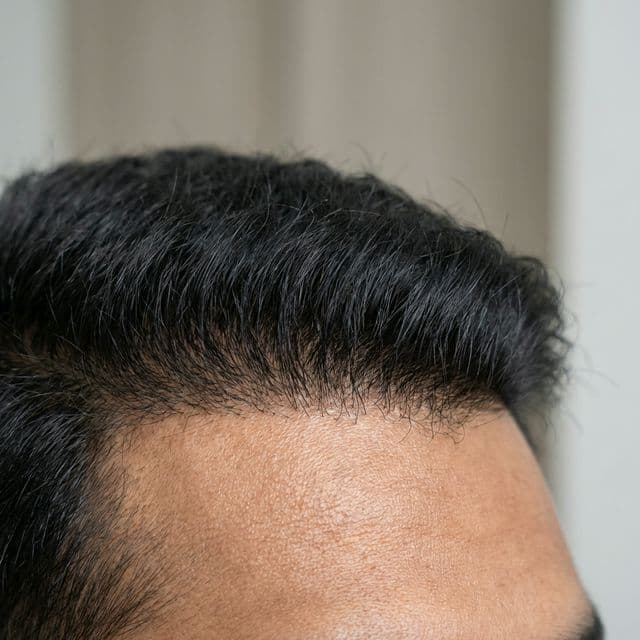
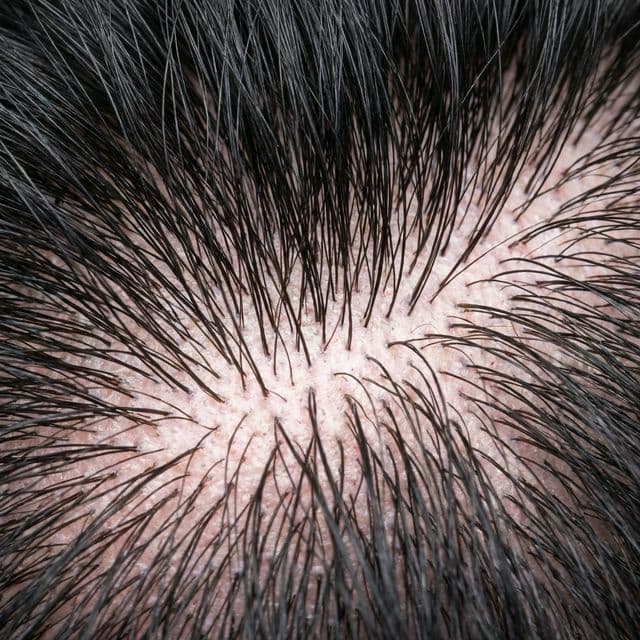
Quick answer: Many people with diabetes can be assessed for a hair transplant. Diabetes alone is not an automatic reason to refuse the procedure. The decision depends on the pattern of hair loss, the donor hair, current health, blood sugar control and a safe plan for the procedure and healing. If diabetes is poorly controlled, a planned cosmetic operation may need to wait. Good planning reduces avoidable risk, but it cannot promise graft growth or a particular result. NHS Plymouth explains why blood sugar control matters before surgery.
A hair transplant moves hair-bearing grafts from a donor area, usually the back or sides of the scalp, to a thinning area. It makes many tiny wounds at both sites. That is why a discussion about diabetes must go beyond the usual question of how many grafts a person needs. The surgeon needs to understand how the skin is likely to heal and how diabetes will be managed on the day.
Does diabetes rule out a hair transplant?
No single label such as “type 1” or “type 2” answers this question. A person with well-managed diabetes may still be a suitable candidate. Another person may need to delay surgery because their glucose levels have been unstable, they have an active infection, or another health problem needs attention. The final decision should be made by the treating surgeon with the clinician who manages the diabetes when needed.
The hair loss itself also needs a diagnosis. A transplant redistributes existing hair. It does not treat every cause of shedding, restore unlimited density, or stop native hair from thinning later. The American Society of Plastic Surgeons says a consultation should review hair growth and loss, medical conditions, medicines and expectations. Diabetes is one part of that wider assessment.
Why does blood sugar control matter?
A hair transplant is usually an outpatient operation, often with local anaesthesia. It can still involve hours of treatment and many small wounds. High or unstable blood glucose around an operation can increase the chance of infection and slow healing. The Centre for Perioperative Care's diabetes guidance covers planning across the whole surgical pathway. It is general surgery guidance, not a hair-transplant-specific guarantee or a clinic protocol.
The donor and recipient areas both need to heal. Poor healing can mean longer redness or crusting, discomfort, infection or a delayed return to usual activity. It does not follow that every person with diabetes will have these problems. Risk depends on individual control and other factors, including smoking, nutrition, circulation, medicines and the size of the planned procedure. A clinician should assess the whole picture rather than apply a blanket rule.
The sources used here do not give a reliable figure for how many transplanted grafts will grow in an individual patient with diabetes. Claims that a particular glucose reading guarantees graft survival should be treated with caution. A safe plan aims first to reduce health risks. The likely cosmetic result still depends on donor supply, the cause of hair loss, graft handling and future thinning.
What should be checked before booking?
Bring a current list of diabetes medicines, any recent glucose records and your latest HbA1c result if you have one. HbA1c reflects average blood glucose over roughly the previous two to three months. It gives the team useful context, but one result does not replace a review of day-to-day changes, low-glucose episodes and overall health. The surgeon may ask your usual diabetes clinician for advice before setting a date.
Tell the team about kidney, heart, eye or nerve problems, previous slow wound healing, skin infections, and episodes of low blood glucose. These details can change the risk assessment and the plan for a long outpatient day. Also list all prescription medicines, supplements and allergies. Do not stop insulin, tablets, blood thinners or any other prescribed treatment just because you are considering a hair transplant. The appropriate plan depends on your medicine, meals, anaesthesia and procedure timing. The NHS advice on preparing for surgery stresses telling the team about diabetes and following individual fasting advice.
Ask for an examination of the scalp and donor area. Redness, scaling, sores or suspected infection need assessment before grafts are placed. A transplant into an unhealthy scalp may not answer the underlying problem. The team should also explain whether your hair-loss pattern is stable enough for a useful long-term design.
Is there an HbA1c cut-off for hair transplantation?
There is no universal HbA1c number in the hair-transplant sources used here that makes the operation safe or unsafe for every patient. Some NHS services use local thresholds for planned operations. Those thresholds are tied to their own surgical pathways and should not be presented as a rule for this clinic or for hair transplantation in India. University Hospitals Plymouth describes preoperative referral criteria in its own service; it also says the decision to proceed or postpone rests with the clinical team.
If your result is high, ask what improvement is realistic and whether a delay would reduce risk. If your result is acceptable, ask how glucose will be monitored on the procedure day and who will advise on your usual treatment. A single “normal” reading on the morning of surgery cannot show the full pattern over preceding weeks.
Planning a long procedure day
Hair transplantation can take several hours. Food, fluid intake and usual diabetes treatment need to fit the anaesthesia and procedure plan. Some people have only local anaesthesia; some have sedation. Instructions about fasting are therefore not the same for everyone. The ASPS preparation advice says the surgeon should give specific instructions on food, drink and medicines.
Before agreeing to a date, ask who will check glucose if the session runs longer than expected, what food and drink are allowed, and whom to contact if you feel unwell. If you use insulin or have had low glucose during missed meals, tell the team clearly. If you use a glucose sensor, discuss whether finger-prick checks may still be needed during the operation. These are planning questions, not instructions to change doses yourself.
Be wary of a clinic that offers a fixed graft package without asking about diabetes or arranging a medical review. A sound consultation should also cover the donor area's limits, expected density, scars, infection risk and the possibility that existing hair will continue to thin.
When might it be better to wait?
A delay may be sensible when glucose is not reasonably stable, there is an active scalp or other infection, a wound is healing poorly, or a recent health event needs medical review. The clinician may also want to clarify the diagnosis of hair loss or treat a scalp condition first. Waiting is not a failure. It gives the team a chance to address risks and decide whether the likely benefit justifies an elective procedure.
Do not assume that a smaller session removes every concern. Fewer grafts may mean fewer wounds, but the person still needs a safe diabetes and aftercare plan. Conversely, a long session is not automatically unsafe simply because someone has diabetes. The plan must fit the person.
What should you watch for after surgery?
Mild tenderness, swelling and crusts can occur after a hair transplant. Follow the treating team's written instructions for washing, medicines and contact details. Do not scratch or pick the graft sites. Know which changes are expected in your own case, and ask if instructions are unclear.
Contact the treating clinic or a doctor promptly if redness or pain is increasing rather than settling, an area becomes hot and swollen, pus appears, a wound opens, or you have a fever. These can be signs of infection and need assessment. Guy's and St Thomas' NHS guidance describes these wound warning signs. Seek urgent medical help for severe illness, confusion, fainting, breathing difficulty or a severe low-glucose episode. If your diabetes readings are repeatedly outside the range agreed with your own diabetes team, follow their sick-day or urgent-care plan; do not rely only on the transplant clinic.
Healing checks matter even when the scalp looks comfortable. Diabetes care continues after the grafts are placed. Keep any agreed follow-up with your usual clinician and tell them if an infection or change in eating has affected glucose control.
Questions worth asking at the consultation
- Is the cause of my hair loss clear, and is transplantation suitable for it?
- What is the donor area's safe capacity, and what density is realistic?
- Do you need input from the clinician who manages my diabetes?
- How will food, medicines and glucose checks be planned for the procedure day?
- What would make you postpone the operation?
- Who should I call if the scalp looks infected or my glucose becomes unstable afterwards?
These questions are more useful than asking whether diabetes is “allowed” in general. They turn a broad concern into a plan that can be checked before consent.
Frequently asked questions
Can type 2 diabetes patients get a hair transplant?
They may be considered. The type of diabetes alone does not settle candidacy. The surgeon needs to assess control, medicines, other health conditions, the scalp and donor hair. If there is a concern about healing or glucose stability, the team may advise treatment or a delay first.
Does diabetes make transplanted hair fall out?
There is no simple rule that diabetes makes every graft fail. The early shedding of transplanted hair shafts can be part of the usual growth cycle. Poor healing or infection can threaten a result, and native hair may continue thinning for other reasons. Ask the surgeon to explain the expected timeline and what signs would need review.
Should I stop diabetes medicine before the procedure?
Do not make that change yourself. The plan depends on the particular medicine, the anaesthesia, fasting instructions and procedure length. Your surgeon and diabetes clinician should give you an individual written plan.
Is a hair transplant safer if it is done under local anaesthesia?
Local anaesthesia is commonly used for a hair transplant, but it does not remove wound, infection or glucose-management concerns. The ASPS notes that hair transplantation is commonly done with local anaesthesia and sometimes sedation. The team still needs to assess your health and explain the intended method.
Practical takeaway
Diabetes calls for individual preparation, not an automatic yes or no. Confirm the hair-loss diagnosis and donor supply, review diabetes control and medicines, and agree on day-of-surgery and wound-care plans. The hair transplant service page explains the procedure; a personal assessment is needed to decide whether and when it is suitable for you.
References
- Centre for Perioperative Care: diabetes and surgery guideline. UK-wide perioperative guidance for adults; not a transplant-specific protocol.
- University Hospitals Plymouth NHS: preoperative diabetes support. Local NHS pathway; its thresholds are not universal.
- American Society of Plastic Surgeons: hair transplant consultation.
- American Society of Plastic Surgeons: preparation.
- NHS: preparing for surgery.
- Guy's and St Thomas' NHS: surgical wound infection signs.