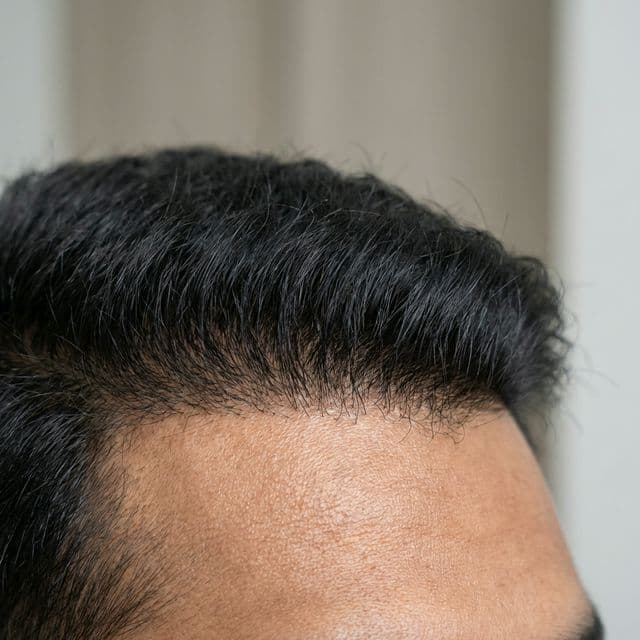
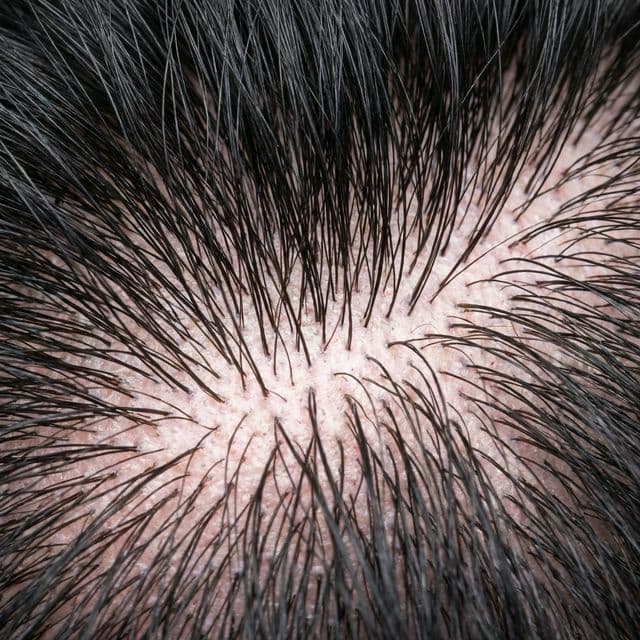
Small scabs after a hair transplant are part of early scalp healing. They usually loosen and fall away over the first one to two weeks. The International Society of Hair Restoration Surgery (ISHRS) describes a broad range of about 4 to 14 days. That range is a guide, not a deadline for removing them yourself. Do not pick, scrape or force a scab off. Follow the washing plan your own surgical team gave you, and contact them if a crust remains firmly stuck, bleeding starts, or the scalp becomes more painful or inflamed. ISHRS patient information.
If you are considering a hair transplant, ask for written instructions for both the implanted area and the donor area before you leave the clinic. Washing schedules vary between teams and techniques. This article explains what scabs mean and how to recognise a change that needs a review. It cannot tell from a photograph whether a particular graft is secure.
Why do small scabs form?
A surgeon places follicular grafts into many small openings in the recipient scalp. Small amounts of blood and wound fluid can dry on the surface, making a crust around each site. The donor area also heals where follicles were taken. With FUE there are many small extraction points; with FUT there is a stitched or closed strip wound. The two areas may therefore look and feel different. The ISHRS brochure describes small recipient-site crusts within the first day, and the British Hair and Nail Society's patient leaflet notes that small scabs can remain for up to two weeks.
A scab is on the skin surface. The follicular graft sits in the scalp below it. Seeing a dark speck or a hair caught in a crust does not, by itself, show that the whole graft has been lost. A scalp examination is needed if there has been an injury or concerning bleeding. Avoid comparing your scalp with a stranger's day-by-day photographs. The number and size of sites, technique, skin response and aftercare plan all differ.
When should they come away?
Many small crusts begin to loosen during the first week. Others may stay into the second week. The older ISHRS patient brochure gives a 4–14 day range and says larger crusts can take longer. The British Hair and Nail Society similarly says small scabs may be present for up to two weeks. These are broad descriptions from specialist organisations, not a rule that every scalp must meet on day 10 or day 14. ISHRS; British Hair and Nail Society.
A few crusts remaining at the end of the first week may simply be attached more firmly. The sensible next step is to keep to the approved gentle-wash routine and ask your team when and how they want the area cleaned. Do not decide to scrub because a calendar date has arrived. If a broad patch of thick crust is increasing, looks unusual, or is accompanied by pain, discharge or fever, contact the team for an assessment. Waiting for a scab to fall is different from ignoring a wound that is worsening.
The donor area has its own plan. For example, one Irish hospital gives different cleaning instructions for donor and recipient sites. That is the hospital’s own protocol, not a personal prescription. Your surgeon may use another plan based on the operation and wound. Bon Secours Hospital hair-restoration aftercare.
Should I remove scabs to make hair grow?
No. There is no reason to peel firmly attached crusts to make hair grow. Picking can break healing skin, cause bleeding and disturb a newly placed graft. The recipient skin and grafts need protection while they heal. A hospital hair-restoration leaflet advises patients not to pick or scratch the crusts and gives special care instructions for the implanted area. Its timetable applies to that hospital’s patients, so use your own team’s instructions. Bon Secours Hospital aftercare.
Try not to scratch an itchy area, even if the crust looks loose. Nails can catch neighbouring scabs. If itching is troublesome, call the clinic and ask what they recommend for your scalp. Do not apply oil, anti-dandruff shampoo, an antibiotic cream or a home mixture to the implanted area unless your team has approved it. An extra product can irritate healing skin or interfere with the instructions you were given.
There is a difference between a crust that comes away during an approved gentle wash and one you pull off deliberately. The first can be part of normal healing. The second puts force on tissue you cannot see. If a crust resists gentle washing, leave it and ask the clinic. Do not try to “finish” the job with a comb, towel or fingernail.
How should I wash while scabs are present?
Use the exact start date, water method and cleanser supplied by your clinic. One hospital hair-restoration leaflet describes gentle rinsing after at least 24 hours, with no direct shower pressure or finger contact on its patients’ newly implanted sites at first. That is an example of a local protocol, not an instruction to start at 24 hours if your own surgeon told you to wait. Dressings, graft placement, donor closure and a person's health may change the plan. Bon Secours Hospital aftercare.
When your team allows washing, make it a careful routine rather than a scab-removal exercise. Wash your hands. Use the water pressure and temperature they recommended. Apply only the cleanser they approved, in the way they demonstrated. Let it rinse away without directing a hard jet at the implanted sites. Do not rub the recipient area or drag a towel across it while it remains tender and crusted. Ask how to dry the scalp and whether a spray is part of your own plan.
If you missed a wash or have trouble cleaning the scalp, ask for instructions rather than making up for it with a stronger wash. Some people need help with the first wash. If washing causes sharp pain, fresh bleeding or a crust to tear, stop and contact the clinic. A written or video demonstration from your own team is more useful than a routine taken from another patient's social-media post.
What if a scab comes away with a hair in it?
A hair shaft can come away with a surface crust. Transplanted hairs can also shed after surgery while the follicles remain in the scalp. The ISHRS patient information describes early shedding of transplanted hairs before new growth begins. A hair attached to a small dry scab does not prove that the graft has failed. Equally, a photograph cannot prove that a graft is intact. ISHRS patient information.
Notice what happened around the event. Did the scab come away on its own or during a gentle wash? Was there fresh bleeding, a visible piece of tissue, new pain or a bump to the head? If there was active bleeding, a knock to the recipient area, or a concern that a graft was pulled out, contact the surgical team and follow their instructions. Do not put a loose piece of tissue back into the scalp yourself or keep touching neighbouring sites to check them.
It can take months to see new growth. The appearance of crusts in week one cannot predict the final density. Avoid counting hairs in the sink or using a single early photograph as a verdict on the result. Follow-up visits are the right place to discuss growth, coverage and any areas that worry you.
What if I accidentally scratched or bumped the scalp?
Stop touching the area and look once in good light. If there is no bleeding, increasing pain or visible wound, a light touch does not automatically mean a graft was lost. If there is bleeding, tissue has come away, or you are unsure what happened, phone your clinic. Tell them when the transplant was done, where the contact occurred, and what you now see. They may ask for a photograph or an in-person check.
Do not press hard on the implanted area, apply a household antiseptic or try to replace a graft on your own. If bleeding is heavy or will not settle, seek urgent medical care. Your clinic should have told you whom to call after hours. If you are away from Hyderabad and cannot reach them, use a local doctor or emergency service when the problem is urgent.
A cap, helmet, pillowcase or towel can catch crusts. Ask when a loose head covering is allowed and how to take it off without rubbing the recipient area. Avoid trying different covers to test whether the grafts are “fixed”. The plan should fit your work, travel and ordinary routine while the scalp heals.
Which changes need medical review?
Some mild tenderness, redness, tightness and small crusts may be expected early on. The important pattern is whether things are settling. Call your surgical team promptly if pain or swelling is increasing, redness is spreading, the area feels hot, there is pus or an unpleasant smell, or you develop a fever or feel unwell. These are general wound warning signs, and they need assessment rather than a diagnosis from an article. NHS surgical wound guidance.
A large dark area, rapidly worsening wound, repeated bleeding or a wound that opens also deserves prompt contact. A photograph may help the team decide how quickly to see you, but it cannot show every problem beneath a crust. The recipient and donor areas should both be mentioned when you call. Tell the team if you have a condition or medicine that may affect healing; do not stop a prescribed medicine on your own.
If you feel seriously ill, have new confusion or difficulty breathing, seek emergency care now. These symptoms are not typical scab care questions. The NHS sepsis guidance advises emergency help for serious symptoms such as confusion or difficulty breathing. Do not wait for a routine transplant follow-up in that situation.
What if scabs are still there after two weeks?
A small remaining crust does not automatically mean infection or a poor transplant. But the common one-to-two-week window is a good point to ask the team to check a firmly attached patch, especially if it is thick or the skin beneath cannot be seen. Tell them whether it is on the recipient or donor area and whether it is changing. They can advise whether to continue gentle washing, adjust the method or examine the scalp.
Avoid using the two-week mark as permission to scrape. The skin may still be tender. A different problem, such as irritated skin or a wound that is not healing as expected, can also look crusted. An examination can separate these possibilities. Do not book an extra treatment to “clear” scabs before the cause has been checked.
Common questions
Can I use a comb to lift the scabs?
Do not comb through the implanted area to lift attached crusts. The teeth can catch skin and hairs. Ask the team when combing is safe for your hairstyle and how to handle the donor area. The answer may differ between the two areas.
Do scabs mean the grafts are taking root?
Scabs show surface wound healing, not whether every graft will survive. Their number, size or colour cannot measure the final result. The surgeon can assess healing at follow-up, while hair growth takes months to judge. ISHRS patient information.
Can I use oil to soften a stubborn crust?
Use only a product your surgical team has recommended. An oil or lotion chosen from a website may irritate the scalp or conflict with your dressing and wash plan. Ask the team to demonstrate what they want you to do if a crust stays attached.
Is a little bleeding when a scab falls normal?
A tiny spot can occur if a crust is disturbed, but fresh or repeated bleeding deserves a call, especially in the first days or after a bump. Do not repeatedly lift crusts to see whether they bleed. Heavy or persistent bleeding needs urgent medical attention.
Takeaway
Small hair-transplant scabs usually loosen during the first one to two weeks. Let them come away through normal healing and the gentle washing method your surgical team approves. A hair in a fallen scab does not by itself prove graft loss. Contact the team for stuck thick crusts, bleeding, worsening pain, discharge or fever; seek emergency care if you feel seriously ill. Before a hair transplant, ask for clear written instructions and an after-hours contact number.