One of the biggest misconceptions about hair transplant surgery is that the result should be visible immediately. In reality, a hair transplant works in stages. The grafts are placed on the day of surgery, but visible cosmetic improvement takes months to appear.
Knowing the normal timeline helps patients stay calm during the early weeks, especially during the shedding phase when it can feel like progress is going backwards. In most cases, that phase is expected.
The First Week
During the first few days, the focus is on graft protection and healing. Tiny crusts form around the transplanted follicles, the scalp can feel tight, and mild swelling may appear over the forehead depending on the technique and graft count.
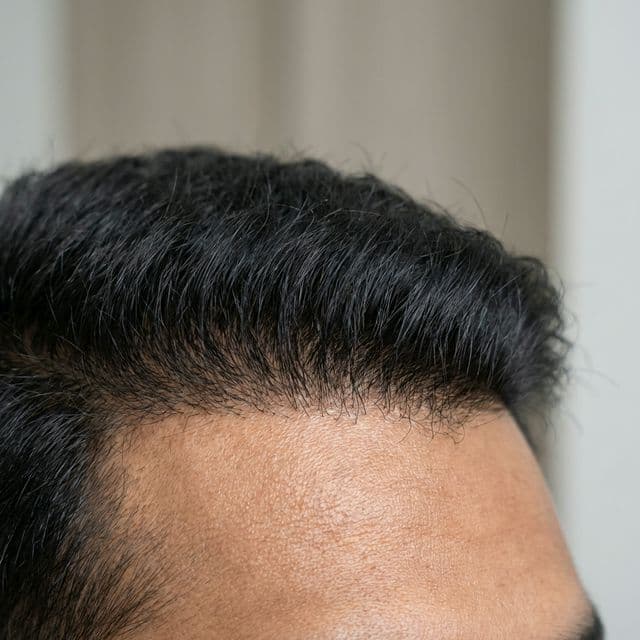
- The hairline is visible immediately, but this is not the final result.
- The scalp may look red or pink for a short time.
- Most patients return to desk work within a few days if healing is smooth.
Around 2 to 6 Weeks
This is the stage that surprises many patients. The transplanted hairs often shed. This is called shock loss, and it is usually a normal part of the cycle. The follicles remain in place under the skin even though the visible shafts fall out.
At this point, it may look like there is very little change from before surgery. That does not mean the transplant has failed. It usually means the follicles are entering a resting phase before new growth begins.
At 3 Months
By the third month, some early regrowth may begin. The new hairs are often fine, soft, and uneven at first. Density still looks limited, so patients should not judge the final outcome at this stage.
- The new hair may grow in different directions initially.
- Texture is often thinner than the final result.
- Visible density is still early and incomplete.
At 6 Months
The six-month mark is where most patients begin to feel encouraged. A large portion of the transplanted follicles are now actively growing, and the hairline starts looking more natural in normal day-to-day settings.
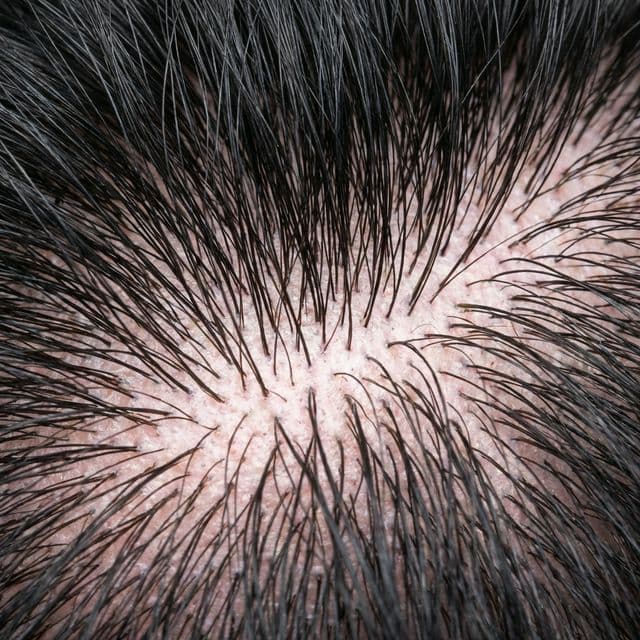
For crown work, progress may still feel slower than the front or mid-scalp. That is common. Crown areas usually take longer to mature and often require more patience.
At 9 to 12 Months
This is the stage when the result becomes much easier to judge. The hair shafts become thicker, coverage improves, and styling becomes easier. In frontal work, most of the cosmetic outcome is usually visible by this point.
- Hair caliber improves.
- The transplanted area blends better with existing hair.
- Patients can assess density more realistically.
When Final Results May Take Longer
Some cases need more than one year for full maturity, especially crown transplants, very large sessions, and patients with slower healing. In those situations, refinement may continue into the 12 to 15 month range.
The Most Important Takeaway
A hair transplant is a gradual result, not an instant one. Early shedding, delayed growth, and uneven density in the first few months are usually part of the normal process. The safest way to judge progress is through staged follow-up photos rather than day-to-day mirror checks.
For patients considering hair transplant surgery, understanding the timeline in advance makes the recovery period much less stressful and sets more realistic expectations from the beginning.