Quick answer
The first week after a hair transplant is mainly about protecting the newly placed grafts, keeping the scalp clean as advised, and avoiding anything that causes rubbing, bleeding or heavy sweating. Your surgeon's written instructions should always come first because aftercare differs between FUE, FUT, the number of grafts, and how the procedure was done.
In general, sleep with your head raised and avoid pressing the recipient area into the pillow. Do not rub, scratch or pick at scabs. Wash only when your clinic tells you to, using the gentle method they show you. Avoid tight caps, helmets, heavy exercise, swimming and direct sun until you are cleared. A little redness, tightness, swelling, itching and crusting can be part of normal healing, but increasing pain, fever, pus or persistent bleeding needs prompt medical advice.
If you are still planning the procedure, review the hair transplant service page and discuss aftercare before booking. A good plan includes who will answer questions after surgery, when the first wash is allowed, and when you can return to work, gym and travel.
Why the first week needs care
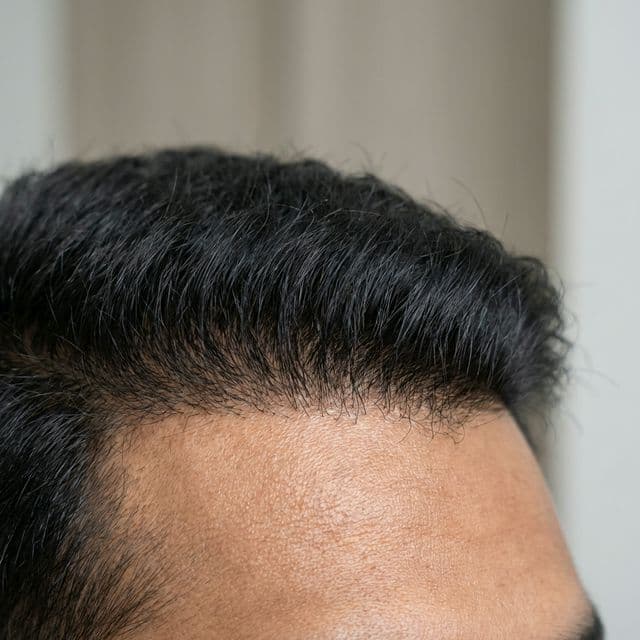
A hair transplant moves small follicular grafts from a donor area to a thinning or bald area. The grafts sit in small recipient sites while the surrounding skin heals. Friction, picking, pressure or a sudden rise in blood flow can disturb healing and may cause bleeding.
This does not mean you must stay in bed. Short, easy walks are usually helpful, and most people can return to light work within a few days if they feel well. The aim is gentle activity with no pressure on the grafts. The exact plan depends on your procedure and general health.
The International Society of Hair Restoration Surgery notes that instructions about sprays, dressings, water exposure and exercise vary between surgeons. This is why advice copied from a social media post or another patient's clinic may not suit you.
Hair transplant aftercare: a simple timeline
The day of surgery
Before leaving the clinic, make sure you know how to protect both the donor and recipient areas. Ask whether the dressing should stay on overnight, which medicines to take, whether a saline spray is advised, and how to contact the clinic after hours.
Rest at home. Do not drive if you have taken sedating medicines. Keep the scalp away from dust, children or pets that may accidentally touch it. If there is mild oozing from the donor area, follow the pressure and dressing instructions given by your team. Do not press directly on the grafts unless your surgeon has told you to do so.
Days 1 to 3
Mild soreness, tightness, itching, small crusts and some swelling can occur. Swelling may move towards the forehead or around the eyes in some patients. It is usually temporary. Sleep with the head and upper body raised, using the position recommended by your clinic. Avoid sleeping face down.
Many clinics allow the first gentle wash within one or two days, while others use a different schedule. Do not treat a general timeline as a prescription. Ask your surgeon when you can wash and whether the first wash should happen at the clinic.
Days 4 to 7
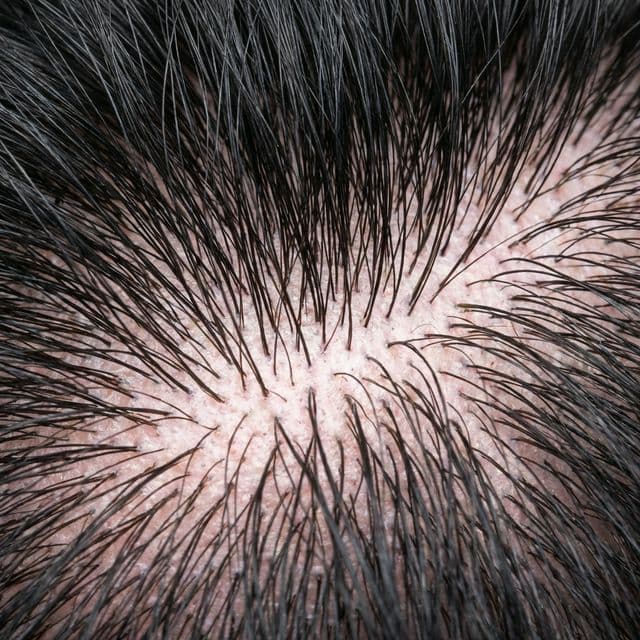
The grafts become more secure as healing progresses, but the recipient area still needs protection. Continue to avoid scratching, rubbing and picking. If the scalp itches, ask the clinic what can be used. Do not apply hair oil, styling products, home remedies or medicated lotions unless they have approved them.
Most patients can do light daily activities, but heavy lifting, running, gym workouts and anything that makes you sweat heavily should wait. Keep follow-up appointments, even if the scalp looks fine.
After the first week
Crusts usually loosen over the next one to two weeks, depending on the technique and the instructions you receive. Never force them off. Some people can return to more normal activity after a week or two, while vigorous exercise and contact sports may need a longer break. The American Society of Plastic Surgeons advises that strenuous exercise may be restricted for at least three weeks, but your own surgeon may set a different timeline.
Small transplanted hairs may shed in the first few weeks. This can be a normal part of the growth cycle and does not mean that the whole graft has been lost. New growth takes months, not days.
How should you sleep after a hair transplant?
Sleep is a common worry because people fear damaging the grafts in the night. For the first few nights:
- Sleep on your back if that is the position advised by your surgeon.
- Keep the head raised with pillows or a suitable support, especially if you have swelling.
- Avoid pressing the recipient area against the pillow.
- Use a clean pillowcase and place a towel over it if there is minor drainage.
- Do not wear a tight head covering to bed unless your surgeon has prescribed it.
If you turn in your sleep, do not panic. A single light touch does not automatically mean a graft has failed. Check for active bleeding or a dislodged graft and contact the clinic if you are unsure. Do not keep touching the area to check it.
When can you wash your hair?
The timing of the first wash is not identical for everyone. Cleveland Clinic describes day two as a common point for washing, while ASPS says patients may gently wash within two days. Your clinic may advise a different time based on the dressing, graft placement, donor wound and technique.
When you are cleared to wash:
- Wash your hands first.
- Use the product recommended by your clinic.
- Let water run gently over the scalp; do not use a strong shower spray on the grafts.
- Apply shampoo only as instructed, usually with very light contact or by allowing the lather to pass over the area.
- Do not scratch, massage, scrub or use a nail on the recipient sites.
- Pat dry with a clean, soft towel or allow the scalp to air dry if advised.
- Avoid hot water, hair dryers on high heat and salon treatments until cleared.
A clean scalp supports healing, but over-washing or forceful washing is not better. If the first wash causes persistent bleeding or sharp pain, stop and call your clinic.
Can you wear a cap or helmet after a hair transplant?
A loose, clean covering may be allowed by some surgeons after the first few days, but a tight cap, helmet or bandana can rub against grafts. The answer depends on whether the covering touches the recipient area, how the grafts were placed, and your clinic's protocol.
Do not wear a helmet for riding in Hyderabad traffic until your surgeon confirms that it is safe. A helmet can create pressure, heat and friction. If you must travel soon after surgery, discuss the safest option before the procedure rather than trying to improvise afterwards.
When a cap is permitted, it should be clean, loose and easy to remove without catching the grafts. Never pull it over a crusted area. Avoid sharing caps, pillows or towels during early healing.
When can you exercise, go to the gym or swim?
Light walking is often reasonable soon after surgery if you feel well. Heavy lifting, running, gym training and contact sports raise blood flow and may increase bleeding or swelling. ASPS advises that vigorous exercise and contact sports may be restricted for at least three weeks. Some clinics allow light exercise earlier and ask patients to wait longer for intense training.
Avoid swimming pools, lakes and the sea until the small wounds have healed and your surgeon gives permission. Water exposure can increase infection risk, and pool chemicals can irritate healing skin. Avoid yoga positions that put the head down or create strain until you are cleared.
Do not use a gym as a test of whether the grafts are secure. Return in stages and stop if you notice bleeding, increasing throbbing, marked swelling or pain.
Sun, heat, sweating and daily routine
Protect the healing scalp from direct sun. A loose covering may be safer than sunscreen on fresh recipient sites, but use only what your surgeon recommends. Avoid prolonged outdoor heat in the early days, especially if it leads to heavy sweating or dehydration.
Do not smoke. Smoking reduces blood flow and can interfere with skin healing. Avoid alcohol when your surgeon advises, particularly while taking prescribed medicines. Eat normally unless your team has given different advice, and drink enough water.
Most people plan a few quiet days at home. Keep work calls, travel and social plans flexible because swelling and crusts can be visible even when you feel comfortable. If you live in Hyderabad, plan travel to the clinic for follow-up and avoid long two-wheeler rides until you are cleared to wear a helmet safely.
What is normal, and what is not?
Some early changes can be expected:
- Mild soreness, tightness or numbness in the donor area.
- Mild redness around grafts and tiny crusts.
- Itching as the skin heals.
- Swelling of the scalp or forehead that settles gradually.
- Temporary shedding of transplanted hairs in the weeks after surgery.
These symptoms should generally improve or remain within the range explained by your clinic. Contact your surgeon promptly if you have:
- Bleeding that does not stop with the pressure method you were shown.
- Fever, chills or feeling generally unwell.
- Increasing redness, warmth, severe pain or swelling.
- Yellow or green discharge, pus or a bad smell.
- Wounds opening or a large area that looks damaged.
- Breathing difficulty, facial swelling that is severe, or an allergic reaction after a medicine.
Seek emergency care for severe breathing difficulty, fainting, chest pain or rapidly worsening swelling. Do not wait for a routine follow-up when a symptom is severe.
Questions to ask before your procedure
Aftercare is safer when it is planned before surgery. Ask your surgeon:
- When can I wash my hair, and who will do the first wash?
- How should I sleep, and for how many nights?
- When can I wear a cap, helmet or turban?
- When can I return to office work, gym, swimming and travel?
- Which shampoo, spray, pain medicine or other products should I use?
- What should I do if a graft appears loose or there is bleeding?
- Who should I call after clinic hours?
- When is my first follow-up, and how will my progress be checked?
Be cautious if a clinic gives no written aftercare plan or cannot explain who will review you if a problem occurs. The skill of the operating team and the quality of follow-up both matter.
Frequently asked questions
Can I sleep normally after a hair transplant?
You can sleep, but the first few nights usually need a protected position. Keep your head raised if advised, avoid pressure on the recipient area and follow the position recommended by your surgeon. The clinic's instructions are more important than a fixed number of pillows.
When can I wash my hair after a hair transplant?
Many patients are allowed a gentle wash within one or two days, but the timing varies. Wait for your surgeon's clearance and use the method demonstrated by the clinic. Do not scrub or pick at crusts.
Can I wear a cap after a hair transplant?
Only when your surgeon says it is safe. A loose, clean cap may be allowed after a short interval, but tight caps, helmets and anything that rubs the grafts should be avoided until cleared.
When can I go back to the gym after a hair transplant?
Light walking may be allowed early. Heavy lifting, running, strenuous gym work and contact sports are often restricted for at least one to three weeks. Your surgeon may advise longer depending on healing and technique.
Is swelling after a hair transplant normal?
Mild scalp or forehead swelling can occur and may peak a few days after surgery. It should settle. Severe, rapidly increasing or painful swelling, fever or discharge needs medical review.
What if I accidentally touch a graft?
Do not panic or keep checking it. Avoid further touching and follow your clinic's advice. If there is active bleeding, a graft has clearly come out, or you are unsure what you see, contact the surgical team promptly.
References
- American Society of Plastic Surgeons: Hair transplant recovery
- Cleveland Clinic: Hair transplant recovery, risks and when to call
- International Society of Hair Restoration Surgery: FUE recovery and surgeon-specific instructions
- International Society of Hair Restoration Surgery: First postoperative week and graft placement
Practical takeaway
The safest hair transplant aftercare is simple: protect the grafts from rubbing and pressure, wash only as instructed, return to activity in stages, and contact your clinic early if symptoms are getting worse. Do not judge the result in the first week. Healing changes quickly, while new hair growth takes months. For a personalised plan, book an assessment through the hair transplant service page.