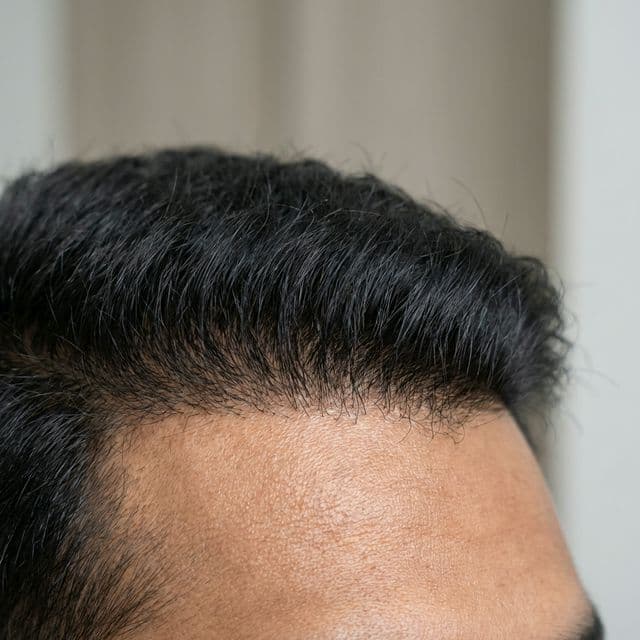
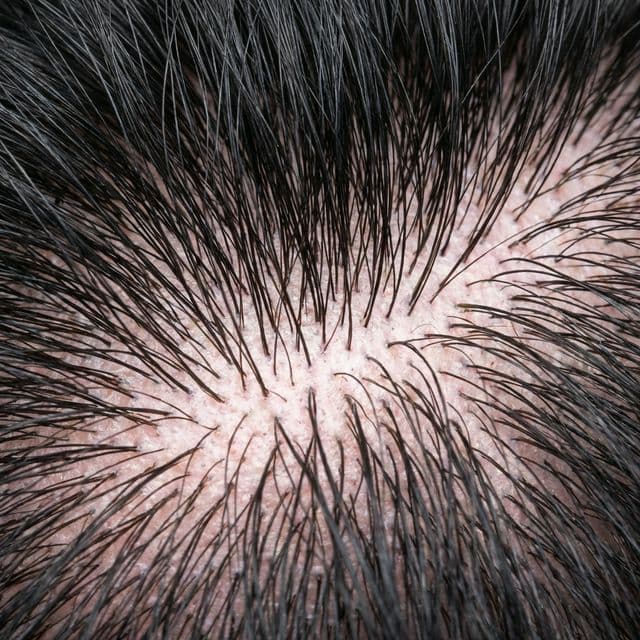
Hair loss during cancer treatment can be distressing, and it is natural to wonder whether a hair transplant could restore areas that have stayed thin. For most people, the first answer is to wait and observe regrowth. Chemotherapy-related hair loss usually improves after treatment, although the pace, texture and final density vary. A transplant becomes a possible discussion only when a persistent pattern has been diagnosed, the cancer team agrees that elective surgery is appropriate, and the donor area can safely supply hair. The answer is individual, for women and men alike.
Why chemotherapy affects hair, and why waiting matters
Chemotherapy acts on rapidly dividing cells. Hair follicles are especially active, so some medicines can interrupt growth and cause shedding. The exact pattern depends on the drug, dose, combination and person. Hair may fall from the scalp as well as eyebrows or other body areas. The absence of hair loss does not mean treatment is failing. Once treatment stops, many follicles resume activity, but they may not all recover at the same rate.
The National Cancer Institute's hair-loss guidance explains that most chemotherapy-induced hair loss is reversible. Macmillan Cancer Support describes short hair coverage often emerging over three to six months, with a clearer idea of final thickness around a year. Those are broad expectations, not a deadline for any individual. Some treatment combinations can produce longer-lasting thinning.
A surgeon who plans graft placement while the hair is still returning may transplant into an area that would have improved without surgery. They may also misjudge how many grafts are needed. A short period of observation, serial photographs and a hair-loss examination can protect limited donor hair. There is no universal month at which every cancer survivor becomes ready for a transplant.
Is persistent thinning always caused by chemotherapy?
Not necessarily. Cancer treatment and recovery can coincide with other causes of shedding: nutritional problems, illness, endocrine changes, menopause, iron deficiency, medication changes and inherited pattern hair loss. Hormone therapy may contribute to ongoing thinning after chemotherapy. A patch that received radiotherapy needs a different assessment from general thinning after systemic chemotherapy because local skin and follicles may have been affected.
An experienced dermatologist should examine the pattern, scalp and donor area before anyone labels hair loss permanent. The American Academy of Dermatology explains that some patients need blood tests or a scalp biopsy when the cause is uncertain. That does not mean everyone needs tests. A history, examination and photographs often establish the next sensible step. Tell the clinician exactly which cancer treatments you had and whether any medicine continues.
If the entire scalp looks thinner, there may be no reliable donor zone. Transplantation relocates existing follicles; it does not create new ones. When the back and sides were also affected, moving grafts can make donor thinning more noticeable while producing little visible improvement in the recipient area. This is one reason a transplant is unsuitable for some people with persistent treatment-related loss. The hair transplant service overview explains the general procedure, while your donor assessment after cancer treatment must be individual.
What should the cancer team review before elective surgery?
Your oncologist or treating team should advise whether your treatment course, recovery and current medicines permit an elective procedure. Active chemotherapy, an unresolved infection, poor wound healing or a low blood count may make surgery inappropriate. The question is not only whether the original cancer is controlled. It is whether your current health supports anaesthesia, healing and follow-up, and whether the surgical plan could interfere with treatment.
Bring a list of chemotherapy, radiotherapy, endocrine therapy, targeted therapy, immunotherapy, supplements and blood-thinning medicines to the consultation. Do not stop or change a cancer medicine to make a cosmetic procedure easier. Ask the cancer team directly about any treatment-related limitations. Some patients will need to postpone surgery; others may be cleared once medically stable. No blog can set a safe interval for every treatment regimen.
If you had radiotherapy to the scalp, tell the surgeon the field and approximate dose if known. The overlying skin may have changed in thickness, blood supply or sensitivity. A scarred or irradiated recipient area may need a conservative plan and realistic expectations. Transplanting into such skin is a specialised judgment, not a routine extension of a standard hairline procedure.
How does a surgeon decide whether transplantation is feasible?
A proper assessment compares the recipient area with the donor area. The surgeon estimates stable donor density, hair calibre, curl, contrast with skin colour and how much coverage is possible without overharvesting. They examine the scalp for inflammation, scarring, fragile skin or signs of active disease. They ask when shedding stopped and whether density has been stable in photographs.
The Macmillan guidance on hair regrowth says a transplant may be possible for permanent loss in one area but is not suitable for everyone. This is a useful distinction. A small, stable patch with a good donor region is a different surgical problem from widespread thinning with weak donor hair. If a clinic quotes grafts without examining both areas and your treatment history, seek a more careful opinion.
The surgical technique is chosen only after candidacy is clear. Follicular unit excision and strip surgery are ways to obtain grafts; neither corrects a poor donor supply or an active cause of loss. Ask who designs the hairline, removes grafts, creates recipient sites and monitors healing. A transplant should leave enough donor reserve for possible future changes rather than maximise one day's graft count.
What result is realistic after cancer treatment?
The aim is improvement in selected areas, not restoration of every follicle lost during treatment. New hair takes months to emerge and mature after transplantation. Transplanted follicles can also shed their visible shafts before regrowth, so the first weeks can look worse rather than better. A clinician should show outcomes from people with a similar type and extent of loss, while explaining that another person's density cannot be promised.
The transplanted hair remains subject to the biology of its donor region, and untreated surrounding hair may continue changing. If medical or inherited hair loss is also present, the long-term plan may include dermatology treatment, camouflage or staged surgery. The choice depends on the diagnosis and oncology advice. A responsible consultation should discuss the likelihood of incomplete coverage, scars in the donor area and the possibility that surgery may be declined.
Cancer survivors may understandably want to regain a familiar appearance quickly. A cautious decision need not dismiss that concern. It recognises that natural regrowth can continue and that a failed or poorly timed transplant would use finite grafts. The first consultation can be useful even if the conclusion is to reassess later.
Alternatives worth considering while the pattern settles
Wigs, toppers, scarves, hair fibres and styling changes can provide immediate control over appearance without surgery. A dermatologist may recommend medical treatment when the diagnosis supports it, but medicines should be discussed with the oncology team. Do not start minoxidil, supplements, hormones or compounded products solely because an online testimonial claims to reverse chemotherapy loss. Safety and effectiveness depend on your medical history.
Macmillan provides practical hair and scalp support through treatment and regrowth. If a scalp area stays bare, ask whether the cause is permanent follicle injury, radiation effect, a separate condition or something treatable. Cosmetic camouflage may remain the best option if donor density is low or surgery would carry disproportionate risk.
Psychological impact is also part of care. For some people, hair changes are a visible reminder of treatment long after other symptoms improve. You can ask your care team for support without having to commit to a procedure. A surgeon should be willing to explain limitations kindly and without urgency.
Questions to take to a transplant consultation
- What is the most likely diagnosis for my persistent loss, and what else should be ruled out?
- Is my donor hair stable and dense enough to give meaningful coverage without leaving a visible thin patch?
- Has my oncology team confirmed that an elective scalp procedure is appropriate now?
- Has radiotherapy or scarring affected the proposed recipient area?
- What change could I expect with no surgery over the next six to twelve months?
- Would a medical or camouflage option be safer or more effective for this particular pattern?
These questions make the consultation about candidacy rather than a sales quote. Ask to see the proposed area marked on your own scalp and a realistic account of what the available grafts can achieve. If the answers remain uncertain, monitoring and re-examination are legitimate outcomes.
Frequently asked questions
Can a transplant be done immediately after my last chemotherapy session?
Usually that is too early to make a confident cosmetic plan. Natural regrowth may just be starting, while general health and blood counts may still be recovering. The cancer team must advise on medical readiness. A dermatologist can document the pattern and arrange follow-up, and a surgeon can consider transplantation once the loss is stable and donor supply is assessed.
Does chemotherapy permanently destroy every follicle?
No. Most treatment-related hair loss is temporary. Some people have persistent thinning or patches, and risk varies by medicine and dose. Macmillan notes particular concern with some regimens, but an individual prognosis cannot be inferred from a drug name alone. Watch actual regrowth with your treating team rather than assuming permanent damage early.
Could a transplant cause cancer to return?
There is no established reason to think moving your own hair follicles triggers recurrence. The important issue is that an elective operation must not disrupt cancer treatment or obscure evaluation of an unexplained scalp lesion. Your oncologist and transplant surgeon should coordinate. Any changing or suspicious scalp spot needs diagnosis before cosmetic surgery.
Is a hair transplant possible after scalp radiotherapy?
Sometimes, but irradiated skin may be less suitable for grafts or wound healing. The exact field, skin quality, scar and donor supply matter. There is no safe blanket answer. A specialist should inspect the tissue and explain the possibility of reduced graft survival or a decision against surgery.
Do women and men use different eligibility rules?
The central questions are the same: diagnosis, stability, donor capacity, general health and expectations. Pattern and styling goals may differ, and the surgeon should respect those differences. Neither sex nor gender by itself decides candidacy. The cancer treatment history and present scalp findings matter far more.
What if my hair is growing back but looks curlier or finer?
Texture change during regrowth is common and may settle with time. A newly altered texture alone is not an indication for transplantation. Photograph the same areas and discuss persistent concerns with your care team. Surgery addresses stable loss in selected areas; it does not change the texture of all recovering hair.
A safe next step
If hair remains thin after cancer treatment, start with your cancer team and a dermatologist who can diagnose the pattern. When loss has stabilised, an assessment at a hair transplant clinic can explain whether donor follicles and scalp health support surgery. Bring your treatment summary and photographs. The best decision may be transplantation, medical care, camouflage or simply more time for regrowth; a careful assessment makes that choice clearer.