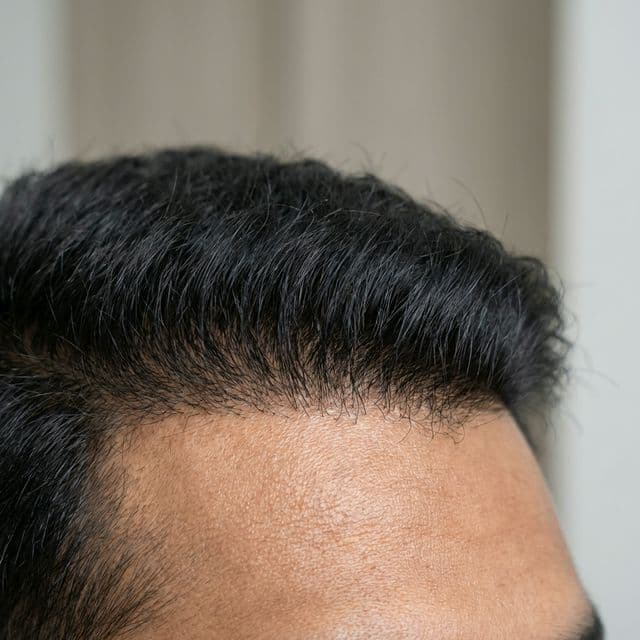
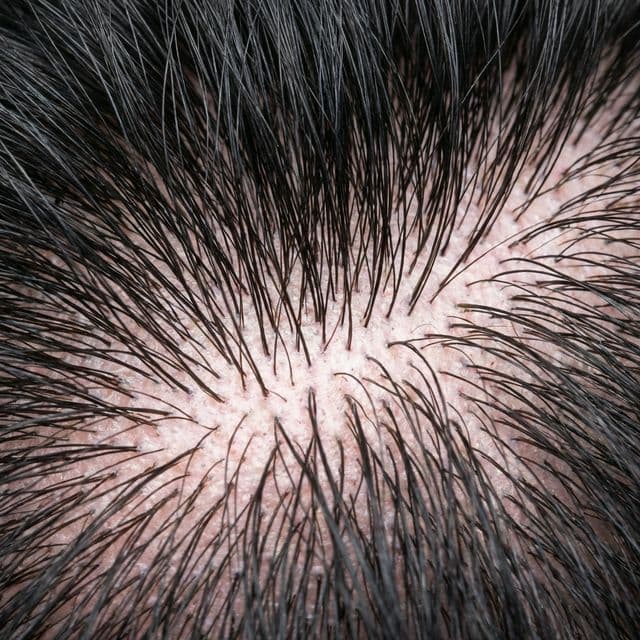
Hair loss is one of the most emotionally impactful cosmetic concerns for both men and women. For those seeking a permanent, natural-looking solution, hair transplant surgery has advanced dramatically over the past two decades. Today, the two most widely used and clinically validated techniques are Follicular Unit Extraction (FUE) and Follicular Unit Transplantation (FUT). Understanding the difference between them is the first step toward making an informed decision.
At Inform Clinic in Hyderabad, Dr. Dushyanth Kalva performs both FUE and FUT, tailoring the recommendation to each patient's specific hair loss pattern, donor density, age, and long-term goals.
Understanding Hair Transplant Basics
Both FUE and FUT harvest hair grafts from the "donor zone" — typically the back and sides of the scalp, where hair is genetically resistant to DHT (the hormone responsible for most male and female pattern hair loss). These grafts are then transplanted to the thinning or bald recipient areas. The key difference between the two techniques lies entirely in how the grafts are harvested — not how they are implanted. Both produce natural-looking, permanent results when performed by an experienced surgeon.
What Is FUE (Follicular Unit Extraction)?
In FUE, individual hair follicles are extracted one by one from the donor area using a small circular punch instrument — typically 0.8–1.0mm in diameter. The extracted follicles are sorted and the healthy ones are implanted in the recipient area using fine needles or blades to create the new hairline and fill the thinning zones.
Advantages of FUE
No linear scar: Because follicles are extracted individually, there is no strip of scalp removed and no linear scar. This is ideal for patients who prefer to wear their hair very short.
Faster donor healing: The tiny dot scars at extraction sites become virtually invisible within 7–10 days.
Suitable for body hair harvesting: FUE can harvest hair from the beard, chest, or other body areas when scalp donor supply is limited — useful in advanced cases or revisions.
Less post-operative discomfort: Without a linear incision, discomfort in the donor area is typically milder and of shorter duration.
Limitations of FUE
Lower graft yield per session: Because each follicle is extracted individually, the process is more time-consuming, and large-volume sessions (3,000+ grafts) may need to be split across two days.
Transection risk: If not performed by an experienced surgeon, follicles can be accidentally cut during extraction, reducing viability. Skill and a steady hand are paramount.
Higher cost: FUE is more labour-intensive and therefore typically costs more per graft than FUT.
What Is FUT (Follicular Unit Transplantation)?
In FUT — also called the strip method — a carefully measured strip of scalp is surgically removed from the donor area. This strip is then dissected under microscopes by a skilled technical team into individual follicular units. The donor area is sutured closed with fine sutures, leaving a linear scar that is hidden by the surrounding hair.
Advantages of FUT
Higher graft yield: FUT can yield significantly more grafts in a single session — critical for patients with advanced hair loss requiring large area coverage. Sessions of 3,000–5,000 grafts are achievable.
Lower transection rates: Because follicles are dissected from the strip under magnification rather than punched out individually, graft quality and survival rates are typically excellent.
More economical for large cases: For patients needing 2,500+ grafts, FUT is often more cost-effective.
Limitations of FUT
Linear scar: The donor area heals with a fine linear scar. It is easily concealed by hair at 1.5–2cm length or longer, but is visible with very short cuts.
Longer donor recovery: The strip incision takes 10–14 days to heal. Some patients experience temporary tightness or numbness.
FUE vs FUT: A Direct Comparison
Scarring
FUE leaves small dot scars scattered across the donor area — typically invisible even with very short hair. FUT leaves a single linear scar, easily concealed at moderate hair length.
Graft Volume
FUT generally allows more grafts per session, making it better suited to patients with advanced loss requiring 3,000+ grafts. FUE sessions typically range from 1,000–2,500 grafts per day.
Recovery
FUE: Donor area heals within 7–10 days. Return to desk work within a week. FUT: Sutures removed at 10–14 days. Return to desk work typically within 1–2 weeks.
Cost
FUE is generally more expensive due to the time and precision required. FUT is more economical for large-volume cases.
Which Technique Should You Choose?
Choose FUE if:
You prefer very short hairstyles and want to avoid a linear scar. Your hair loss is in early to mid stages. You need fewer grafts (typically under 2,500). You are considering beard or body hair supplementation. Minimal downtime is a priority.
Choose FUT if:
You have advanced hair loss requiring 3,000+ grafts. Donor density is limited and maximum yield per session is essential. You are comfortable wearing hair long enough to cover a linear scar. Cost is a significant consideration for a large procedure. You have had previous FUE and need additional coverage from remaining donor supply.
What About Robotic Hair Transplant?
Robotic hair transplant is an FUE variant where an AI-guided robotic arm assists with graft extraction, offering precision and consistency. At Inform Clinic, Dr. Dushyanth offers robotic-assisted FUE for patients who want the benefits of technology-guided precision combined with an experienced surgeon's planning and artistry in hairline design and implantation.
Results: What to Expect and When
Weeks 2–3: Shock Loss
Transplanted hairs fall out — this is completely normal and expected. The follicles remain alive; the hairs cycle out as part of the natural shedding process.
Months 3–4: Initial Growth
New hair begins to emerge. At this stage it is thin and light — do not judge results yet.
Month 6: Visible Improvement
50–60% of the final result is visible. Coverage is clearly noticeable and patients begin to see the transformation.
Months 12–18: Final Result
Full thickness, completely natural results. Transplanted hair behaves exactly like original hair — it can be cut, coloured, and styled freely.
Is a Hair Transplant Permanent?
Yes — the transplanted follicles are taken from the DHT-resistant donor zone and retain that resistance after transplantation. They will not fall out due to pattern baldness. However, native hair surrounding the transplanted area may continue to thin over time, which is why long-term planning and adjunctive treatments — PRP, mesotherapy, DHT-blocking medications — are often recommended alongside surgery.
Book a Hair Restoration Consultation
Every hair loss case is unique. A thorough evaluation of donor density, hair loss pattern, age, and long-term goals is essential before recommending a technique or graft count. Dr. Dushyanth Kalva offers detailed consultations at Inform Clinic, Jubilee Hills, Hyderabad, with honest, experience-backed guidance and realistic outcome planning.