Quick answer
A female hair transplant in Hyderabad can be a good option when hair loss is stable enough to plan, the thinning area is suitable for donor hair, and the main problem is a permanent reduction in follicle density rather than temporary shedding. Women often need a more careful assessment than men because female hair loss may be diffuse, hormonally influenced, or related to recent pregnancy, thyroid disease, iron deficiency, polycystic ovary syndrome, medication, or traction from hairstyles.
The right first step is therefore not choosing between FUE, DHI, PRP, or a quoted graft number. It is identifying the pattern and cause of hair loss, checking whether treatment can improve the native hair, and then deciding whether a transplant would add useful density without overusing the donor area.
Why women ask different transplant questions
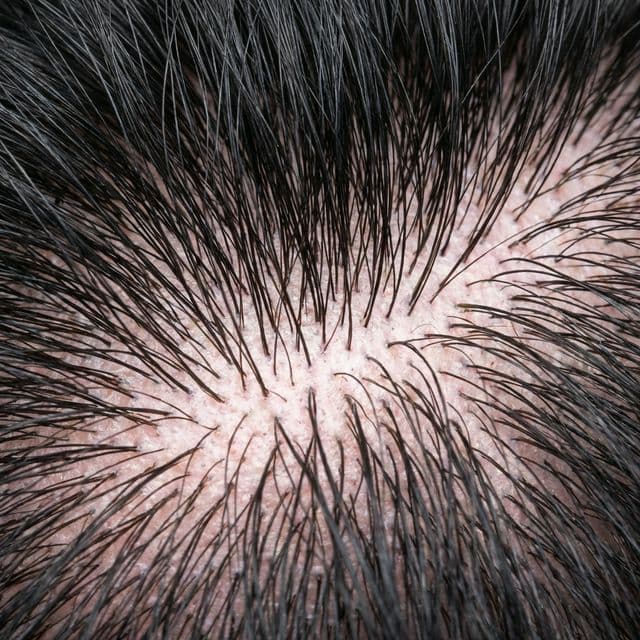
Female pattern hair loss commonly appears as widening of the central part, reduced density over the crown, or gradual thinning across the top of the scalp. Some women also have a receding temple or a high hairline, but a completely isolated bald patch is less typical of female pattern loss and may need a different diagnosis. Because many women keep long hair, the change can remain hidden for a long time and then become obvious in photographs, bright overhead light, or when the hair is tied back.
A woman considering surgery is usually balancing several priorities at once:
- She wants natural density rather than a visibly transplanted hairline.
- She may not want to shave the donor or recipient area.
- She wants to protect existing native hair that is still miniaturising.
- She needs to understand whether pregnancy, PCOS, thyroid problems, or nutritional deficiencies are still affecting the loss.
- She wants a realistic view of cost, downtime, graft requirements, and how long results take.
These priorities make planning more important than a generic promise of maximum grafts.
Is a woman a good candidate for a hair transplant?
The pattern is diagnosed and reasonably stable
A transplant moves follicles; it does not stop future hair loss in untreated native hair. A good candidate has a clear pattern that a surgeon can map and a reasonable expectation that the donor area will remain useful. If shedding is rapidly increasing or the diagnosis is uncertain, the safer plan may be medical evaluation and stabilisation first.
Stability does not mean that every woman must wait for years. It means the clinician should understand the direction of the loss, compare the hairline and parting over time, and build a plan that preserves options for the future.
There is enough donor hair to create visible improvement
The donor area is usually the back and sides of the scalp, where follicles are more resistant to androgen-related miniaturisation. In women with diffuse thinning across both the top and the donor zone, the available contrast between donor and recipient hair may be limited. That does not automatically rule out surgery, but it changes what can be achieved.
The goal may be better coverage of a central part, softening of a frontal see-through area, or improvement in a specific scar rather than a complete return to teenage density. A responsible consultation explains the trade-off before grafts are counted.
The scalp is healthy enough for planning
Active inflammation, scarring alopecia, untreated scalp disease, or ongoing traction can affect whether transplanted follicles survive and whether the underlying problem continues. The scalp should be examined, and additional tests may be recommended when the history suggests a systemic or hormonal contributor.
The goal is density improvement, not an unrealistic guarantee
Hair transplantation can add permanent follicles to selected areas, but it cannot reproduce the density of an entire adolescent scalp. Women who understand that the result is gradual and designed around available donor hair tend to make better decisions. The best outcome is often a natural-looking improvement in visibility and styling flexibility, not a promise that every parting will become completely opaque.
When PRP, medication, or investigation should come first
A transplant is not automatically the best answer to hair shedding. If the main issue is telogen effluvium after illness, childbirth, major stress, rapid weight loss, or nutritional deficiency, the first priority is finding and treating the trigger. If the pattern suggests female androgenetic alopecia, medical treatment may help slow miniaturisation and preserve existing hair even when a transplant is being considered.
PRP may be discussed as a supportive treatment for selected patients, but it is not a substitute for diagnosing the cause, and it is not a guaranteed replacement for missing follicles. Likewise, topical or oral medicines may be useful for some women but require a clinician’s advice, especially during pregnancy, while trying to conceive, or when there are other medical conditions.
A useful consultation should answer three separate questions:
- What is causing the current loss?
- Which existing follicles can still be strengthened or preserved?
- After that treatment, where would transplanted follicles provide the most meaningful improvement?
If a clinic jumps straight to surgery without addressing those questions, the plan is incomplete.
FUE, DHI, and non-shaven options for women
FUE
Follicular unit extraction removes individual follicular units from the donor area and places them into carefully designed recipient sites. For women, FUE can be useful when the treatment area is limited or when the plan needs flexible placement between existing hairs. Tiny donor-site marks are usually less noticeable than a linear strip scar, but the quality of the result still depends on diagnosis, extraction, graft handling, design, and placement.
DHI
DHI is commonly used to describe implantation with a specialised implanter. It may be appropriate in selected cases, but the name of the technique alone does not guarantee a better result. The important questions are who designs the recipient area, who performs the critical surgical steps, how grafts are handled, and whether the technique is suitable for the patient’s hair direction and density pattern.
Non-shaven or long-hair transplant
Some women prefer a non-shaven or partially shaven approach for privacy and convenience. It can reduce the visible change in hairstyle, but it may be more technically demanding, may not suit every graft count or hair type, and can affect procedure time and pricing. Non-shaven should be treated as a planning choice, not automatically as a superior technique.
The best method is the one that protects donor hair, places grafts naturally among native strands, and matches the patient’s diagnosis and goals.
How graft planning works for female hair loss
The graft number should be based on the area being treated, the existing density, hair calibre, curl, colour contrast with the scalp, donor supply, and the desired visual improvement. A smaller number placed strategically at the frontal parting can sometimes create more useful coverage than a larger number spread thinly over the entire scalp.
A surgeon may prioritise:
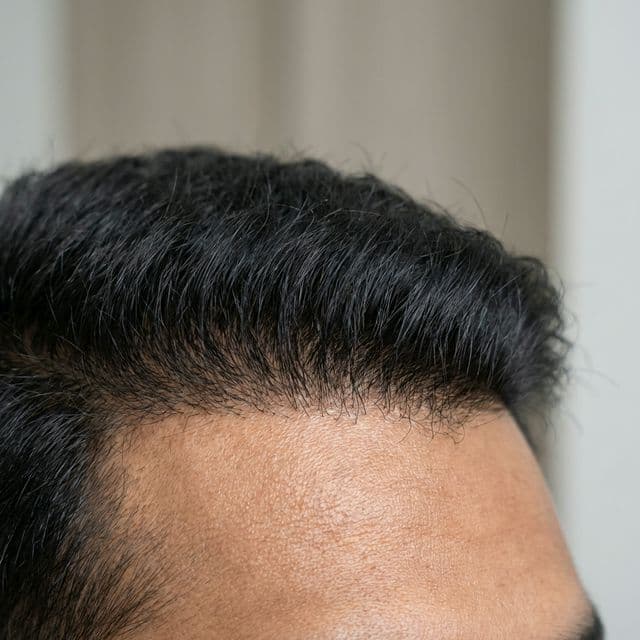
- the frontal hairline if it has receded or looks see-through
- the central part if widening is the main complaint
- the mid-scalp when styling exposes a broad thinning area
- a scar from trauma, surgery, or traction when the surrounding donor hair is strong
- the crown only when the diagnosis, donor supply, and long-term plan justify it
Single-hair grafts are generally important at a soft frontal transition, while multi-hair grafts can contribute to density behind it. The final design should still look natural when the hair is wet, parted, tied back, and viewed from different angles.
What a female hair transplant in Hyderabad may cost
There is no responsible single price for every woman. Clinics may quote by graft, by session, or as a package, and the range can change with the number of grafts, the technique, whether the procedure is non-shaven, the operating team, facility standards, anaesthesia, medicines, follow-up, and whether supportive treatment is included.
Public Hyderabad listings and clinic guides commonly show wide price ranges rather than one fixed market rate. That variation is a reminder to compare what is included, not just the headline number. A transparent estimate should state:
- the proposed graft range and the areas it is intended to cover
- whether the surgeon personally examines and designs the case
- who performs extraction, site creation, and implantation
- the facility and anaesthesia arrangements
- medicines, washing instructions, and follow-up visits
- whether PRP or other add-ons are optional or built into the quote
- what happens if the diagnosis changes after examination
A low quote is not necessarily a bargain if it leaves out medical evaluation or aftercare. A high quote is not proof of quality either. The useful comparison is the clarity of the plan and the accountability of the team.
Recovery and when results appear
Most women can expect a short early recovery, but the exact instructions vary. The first days usually focus on protecting grafts, sleeping as advised, gentle washing, and avoiding pressure, rubbing, strenuous exercise, or heat exposure until the surgeon allows them. Donor soreness, tightness, small crusts, and temporary swelling can occur. Long hair may make washing and styling more time-consuming even when the procedure itself is comfortable.
Transplanted shafts may shed during the early weeks. That can look alarming, but the follicle can remain in place beneath the skin. New growth is gradual: early changes may appear around the third or fourth month, density continues to build over the following months, and the mature result is commonly judged around 9 to 12 months, sometimes longer depending on the area and the individual growth cycle.
Existing native hair also needs protection. A transplant can be technically successful while surrounding untreated hair continues to thin, so long-term medical advice and follow-up may remain part of the plan.
How to compare hair transplant clinics in Hyderabad
Ask who is responsible for the surgery
The consultation should make it clear which doctor diagnoses the problem, designs the hairline or parting, supervises the procedure, and reviews the result. Team-based care can be appropriate, but the roles should not be vague.
Request a plan, not only a before-and-after image
Before-and-after photographs are most useful when they show similar lighting, angles, hair length, time since surgery, and a comparable pattern of loss. Ask how many grafts were used and whether the case is comparable to your own. A photograph cannot replace an examination.
Check whether the plan protects future options
A young woman with progressive diffuse thinning may need a conservative design and preservation strategy. Ask what happens if the surrounding hair changes over the next five or ten years and how the donor area is being protected.
Be cautious with guaranteed density or urgency
Hair growth is biological, not instant. Claims of guaranteed results, unlimited grafts, or pressure to book before understanding the diagnosis are reasons to slow down and seek clarity.
Frequently Asked Questions
Can women undergo FUE hair transplant without shaving their head?
Selected women may be suitable for a non-shaven or partially shaven approach, especially when the graft count and treatment area are limited. It can be more technically demanding and may cost more, so the decision should follow an examination rather than a marketing label.
Is a hair transplant permanent for women?
Transplanted follicles are intended to provide long-lasting growth, but the native hair around them may continue to thin. The long-term result depends on diagnosis, donor quality, appropriate placement, and a plan to manage ongoing hair loss.
How many grafts does a woman need?
There is no standard number. The requirement depends on the size of the thinning area, donor density, hair calibre, contrast with the scalp, and the target improvement. A careful plan may use fewer grafts strategically rather than spreading them too thinly.
Can PRP replace a hair transplant?
PRP may support selected patients with thinning hair, but it cannot reliably recreate a large number of follicles that have permanently disappeared. It should be considered only after the cause and likely benefit have been assessed.
Is female hair transplant painful?
The procedure is performed with local anaesthesia, so patients generally feel pressure or movement more than sharp pain during the operation. Temporary tenderness, tightness, or numbness can occur afterward and should be discussed during the consultation.
Can I have a transplant after pregnancy?
Post-pregnancy shedding can improve with time, so surgery is usually not planned while the hair loss is still changing rapidly. A clinician can help distinguish temporary shedding from persistent pattern loss and advise on timing, breastfeeding, medicines, and future pregnancies.
When should I avoid booking immediately?
Pause and investigate if the diagnosis is unclear, hair loss is rapidly progressing, the scalp is inflamed or scarred, you are planning pregnancy, or the clinic cannot explain who will perform the key surgical steps. More information is valuable before an irreversible donor-area decision.
Practical takeaway
For women considering a hair transplant in Hyderabad, the most useful first decision is not FUE versus DHI or one clinic quote versus another. It is whether the hair loss has been correctly diagnosed, whether it is stable enough to plan, and whether a carefully selected transplant can improve the areas that matter most without sacrificing future donor supply.
Bring photographs showing the change over time, a list of medicines and supplements, details of pregnancy or hormonal history, and your main styling concerns to the consultation. Ask for a written graft plan, a clear explanation of who performs each step, a realistic timeline, and the full cost of care. A thoughtful plan should leave you understanding both what surgery can improve and what it cannot.