Quick Answer
A failed hair transplant can often be improved, but the repair plan depends on three things: how much donor hair remains, what went wrong in the first procedure, and whether the original hair loss is still progressing. In Hyderabad, the most useful consultation is not a promise of a higher graft number. It is a careful audit of the hairline, density, growth direction, scarring, donor area, medical treatment history, and future baldness pattern.
Some problems are relatively straightforward to correct, such as a low-density patch that needs reinforcement. Others require staged repair, graft removal, scar camouflage, or a more conservative hairline design. A few cases cannot be fully reversed because the donor area has been overharvested or the scalp has heavy scarring. That is why revision hair transplant surgery should be approached more cautiously than a first transplant.
This guide is for patients worried about patchy growth, an artificial hairline, visible plugs, donor thinning, FUT scar visibility, or an outcome that simply does not match what was promised.
Why Repair Has Become a High-Intent Search Topic
Hair restoration is now a mainstream decision. Patients compare FUE, FUT, DHI, PRP, graft counts, package prices, and clinic reviews before booking. At the same time, aggressive discounting and technician-led models have made it easier to undergo surgery without fully understanding who is designing the hairline, extracting grafts, placing grafts, or managing complications.
International hair restoration groups have warned about poorly supervised and black-market clinics. The repeating concerns are unlicensed operators, unrealistic graft promises, poor donor planning, unnatural hairline design, and limited follow-up. For patients, the visible result may not be obvious until months later, when shock loss settles and transplanted hair begins to grow. By then, the donor area may already have been permanently reduced.
A repair consultation is therefore not a normal sales consultation. The surgeon is working with scar tissue, existing graft angles, reduced donor supply, and a patient who may already have lost trust in the process.
Common Signs That a Hair Transplant Has Failed
Not every imperfect result is a failed transplant. Hair growth is gradual. Most transplants look underwhelming at three to four months and only start becoming convincing between six and nine months. Final maturity often takes 12 to 18 months, especially in the crown.
A revision assessment is worth considering when you notice:
- Very low growth despite waiting 12 months or longer
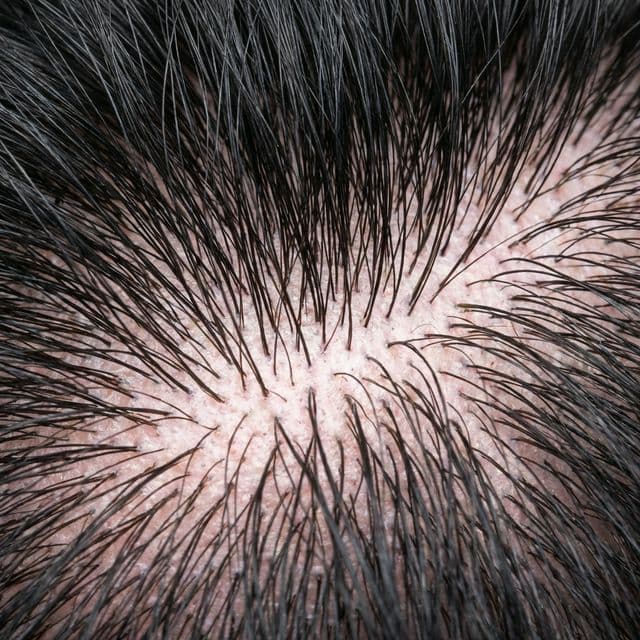
- Patchy islands of hair with obvious gaps
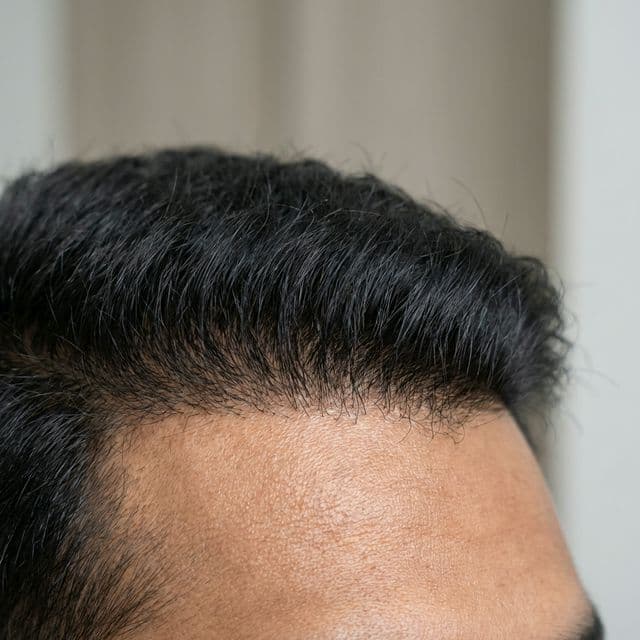
- A hairline that looks too straight, too low, or too rounded
- Thick multi-hair grafts placed at the front hairline
- Hair growing in the wrong direction or at an unnatural angle
- Cobblestoning, pitting, or bumpiness around graft sites
- A donor area that looks moth-eaten, thin, or visibly scarred
- A wide FUT strip scar that shows through short hairstyles
- Continued native hair loss around the transplanted zone
The key question is not simply, “Can I add more grafts?” It is, “What is the main reason this looks wrong?” Repair succeeds when the diagnosis is accurate.
Why Hair Transplants Fail
Hair transplant failure usually has more than one cause. A patient may have poor growth because of graft handling, but the result may also look unnatural because the hairline was badly designed. A surgeon-led review separates technical failure from planning failure.
Poor Candidate Selection
Some patients are advised to transplant too early, before their hair loss pattern is clear. A young patient with aggressive family history, unstable shedding, and no medical maintenance may not be ready for a dense low hairline. If native hair continues to thin behind the transplanted zone, the result can look isolated even if the grafts grow.
Unrealistic Hairline Design
A natural hairline is not a ruler-straight border. It has micro-irregularity, age-appropriate height, soft single-hair grafts in the first rows, and a design that respects future baldness. A hairline placed too low consumes donor grafts and can be difficult to maintain as hair loss progresses.
Poor Graft Handling or Placement
Hair follicles are living tissue. Excessive time outside the body, dehydration, traumatic extraction, poor storage, and rough implantation can reduce survival. Even healthy grafts can look wrong if they are placed at the wrong angle, direction, or density. The front hairline needs fine single-hair grafts, not coarse multi-hair grafts.
Donor Overharvesting
The donor area is limited. It cannot be treated like an unlimited bank. Overharvesting with FUE can leave diffuse thinning, small white dots, and an uneven appearance that becomes more visible with short haircuts. Once donor hair is depleted, future repair options become narrower.
Ongoing Hair Loss Without Maintenance
Hair transplant surgery moves follicles from one area to another. It does not stop androgenetic alopecia in remaining native hair. Many patients need a long-term medical plan, which may include minoxidil, finasteride or alternatives when suitable, nutritional correction, and PRP in selected cases.
What Can Usually Be Fixed
A repair plan is built around the most visible problem and the donor reserve available. Some corrections can be done in one session, while others need staged work.
Low Density or Patchy Growth
If the hairline design is acceptable and the donor area is healthy, low density can often be improved with a focused reinforcement session. The surgeon may add grafts between existing hairs, prioritising visible zones such as the frontal third, part line, or crown swirl. The aim is natural improvement, not unsafe density chasing.
Unnatural Hairline Shape
A hairline that is too straight, too rounded, or too low may need camouflage and selective graft removal. New single-hair grafts can soften the edge, create natural irregularity, and break up a harsh border. In severe cases, misplaced grafts may be removed and reused elsewhere if viable.
Pluggy Front Grafts or Wrong Direction
Large grafts at the front can create a doll-like effect. Repair may involve extracting some of these grafts, redistributing them when possible, and placing finer grafts in front. Hair that grows in the wrong direction can sometimes be camouflaged with correctly angled grafts, but widespread angle errors may require a staged approach.
FUT Scar Visibility
A wide strip scar can sometimes be revised surgically if scalp laxity is good. FUE grafting into the scar may also help camouflage it, although scar tissue has variable blood supply and may not grow as predictably as normal scalp. Scalp micropigmentation may be discussed as an adjunct for visual camouflage.
Donor Area Thinning
Overharvested donor areas are among the hardest problems to repair. Options may include strategic styling, medical support, beard hair use in selected cases, limited graft redistribution, or scalp micropigmentation. A responsible surgeon will be honest if the donor area cannot be restored to an untouched appearance.
What Cannot Be Fixed Perfectly
Repair surgery can make a poor result much better, but it cannot always recreate the outcome that would have been possible before the first surgery. If the donor area has been severely depleted, there may not be enough safe grafts for high density. If the hairline was placed too low and the patient is still young, simply adding more hair may create a bigger long-term problem. If there is heavy scarring, growth may be less predictable.
A good revision plan is sometimes conservative by design. It may prioritise a natural-looking frontal frame over full crown coverage. It may recommend staging surgery so the surgeon can assess growth before using more donor grafts. In revision work, restraint is often what protects the patient’s remaining options.
When Should You Consider Revision?
Most patients should wait at least 12 months after the original transplant before judging final growth. In crown cases, 15 to 18 months may be more realistic. Reviewing too early can lead to unnecessary surgery while the first result is still maturing.
Seek an earlier medical review if there is persistent infection, severe pain, unusual scarring, sudden donor area changes, or ongoing inflammation. But for cosmetic revision decisions, patience matters.
A practical timing guide:
- 0 to 3 months: shedding and shock loss are common
- 4 to 6 months: early growth begins, but density is immature
- 7 to 9 months: shape and growth pattern become clearer
- 10 to 12 months: many frontal results can be assessed more fairly
- 12 to 18 months: crown results and hair calibre continue to mature
If you are unhappy at six months, document the concern with consistent photos, but avoid rushing into a second procedure unless there is a medical reason.
How a Repair Consultation Should Be Done
A serious repair consultation should feel more like an audit than a package quote. The surgeon should examine the donor area, recipient area, hair calibre, scalp laxity, scar tissue, current hair loss activity, and previous surgical records if available.
Useful consultation questions include:
- How many grafts were actually implanted in the first surgery?
- Were the grafts FUE, FUT, DHI, or a combination?
- How does the donor area look under magnification?
- Is the current hairline age-appropriate and sustainable?
- Which part of the result is the biggest visual problem?
- Can the issue be improved with camouflage, removal, or staged grafting?
- How many grafts can be safely used now without harming future options?
- What medical maintenance is needed before and after repair?
If the consultation jumps directly to a graft number and package price, slow down. Revision planning needs diagnosis first.
FUE, FUT, DHI, Beard Hair, or PRP: What Helps in Repair?
There is no single best technique for every failed transplant. FUE is commonly used for targeted density improvement, hairline softening, and scar camouflage. It avoids a new linear scar and allows selective harvesting, but it must be conservative if the donor area is already thin.
FUT may still have a role when a patient needs a larger graft yield and has good scalp laxity. It can preserve broader donor density compared with aggressive FUE in selected cases, but it creates a linear scar and is not suitable for everyone.
DHI is a placement method, not magic. It may help with controlled implantation in selected zones, but it does not automatically guarantee better growth. Planning, graft quality, angle control, and donor management remain more important than the label.
Beard hair can sometimes help when scalp donor reserve is limited, especially for adding bulk behind the hairline or camouflaging scars. It is not a perfect substitute for scalp hair because texture, curl, and growth cycle differ. PRP and medical therapy may support native hair, but they cannot create donor hair that no longer exists.
Cost Factors for Failed Hair Transplant Repair in Hyderabad
Repair procedures often cost more than a first transplant of similar graft count because they require more planning, senior judgment, and time. The fee depends on complexity rather than graft count alone.
Cost drivers include:
- Whether grafts need to be removed from the old hairline
- Whether density work involves scarred recipient areas
- Whether FUT scar revision or scar grafting is needed
- Whether beard hair or mixed donor sources are required
- Whether the case must be staged over more than one session
- Facility standards, anaesthesia, aftercare, and follow-up schedule
- The surgeon’s direct involvement in planning and critical steps
Be cautious with repair quotes that are dramatically cheaper than a first transplant. The second surgery is usually less forgiving, not easier.
How to Avoid a Second Mistake
The safest repair decision is usually the one that protects your remaining donor hair. Before agreeing to revision surgery, ask for a clear plan explaining the priority area, estimated graft use, expected improvement, limitations, and what will be left for future hair loss.
Look for these signs of a safer clinic process:
- A surgeon personally evaluates your donor and recipient areas
- The clinic discusses medical stabilisation, not surgery alone
- The hairline plan is age-appropriate and not aggressively low
- The team explains who performs extraction and implantation
- The quote includes facility, anaesthesia, reviews, and aftercare
- The surgeon is honest about what cannot be corrected perfectly
A repair case should leave you feeling informed, not rushed.
Frequently Asked Questions
Can a failed hair transplant be repaired?
Yes, many failed hair transplants can be improved. The degree of improvement depends on donor reserve, scar tissue, the original hairline design, graft direction, and whether ongoing hair loss is controlled.
How long should I wait before repair surgery?
Most patients should wait at least 12 months after the first transplant. Crown results and thickening may take up to 18 months. Earlier review is useful for medical concerns, but cosmetic revision should usually wait for maturity.
Can an unnatural hairline be made natural again?
Often, yes. The surgeon may soften the hairline with fine single-hair grafts, remove badly placed grafts, or camouflage harsh edges. Very low hairlines may require a conservative plan because donor supply is limited.
What if my donor area was overharvested?
Overharvesting is difficult to reverse. Options may include careful styling, medical support, limited graft redistribution, beard hair in selected cases, scar camouflage, or scalp micropigmentation. A full return to an untouched donor area may not be possible.
Is DHI better for repair than FUE?
DHI is a method of implantation, while FUE is a method of extraction. Either can be useful in the right case. In repair surgery, planning, graft quality, angle control, and donor management matter more than the marketing label.
Can PRP fix a failed transplant?
PRP may support existing hair and improve hair quality in selected patients, but it cannot correct a badly designed hairline, reverse overharvesting, or replace lost donor supply.
Does repair cost more than the first transplant?
It can. Repair work is often more complex because the surgeon must deal with scar tissue, previous graft placement, reduced donor supply, and aesthetic correction. The quote should be based on diagnosis, not only graft count.
Final Takeaway
If your first hair transplant did not go well, do not rush into another procedure just to “add more grafts.” A good repair plan begins with understanding why the result failed. Was it poor growth, wrong design, continuing hair loss, donor damage, or several of these together?
At Inform Clinic in Hyderabad, the goal of a revision consultation is to protect the donor area, restore a more natural appearance, and create a plan that still makes sense years from now. The best repair is not always the biggest surgery. It is the one that uses the remaining grafts wisely, corrects the most visible problem, and helps you avoid repeating the same mistake.