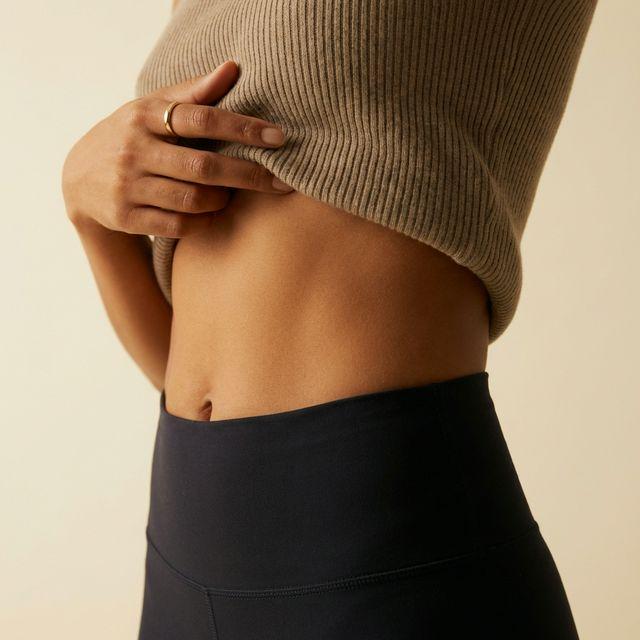
A “dog ear” after a tummy tuck is a small fold or mound of skin at one or both ends of the scar, often near the hip. It forms where the edges of the skin are brought together. A small fold may flatten as the area heals. A fold that stays after the swelling settles can be assessed by your surgeon, who can explain whether it is worth correcting.
If the area becomes larger quickly, increasingly painful, hot or red, call your surgical team promptly. The same applies if the wound opens, starts leaking pus or you develop a fever. Fluid, bleeding or infection can also cause a bulge after surgery. An in-person check is the safest way to find the cause.
What causes dog ears after a tummy tuck?
During a tummy tuck, or abdominoplasty, the surgeon removes loose skin and brings the remaining edges together. Where the incision ends, the skin that has been moved meets skin that is still in its original position. If more skin meets at the end than can lie flat, it can bunch up into a raised fold. The name “dog ear” describes that shape. Surgeons may also call it a standing cone.
The fold often contains skin and some of the soft fat under it. Its shape depends on how much loose skin reaches around the hips, the shape of the incision and how the edges come together. One hip can have more loose skin than the other, so a fold can appear on one side or be more visible on one side. Nearby swelling can make it harder to judge its size in the first few weeks.
The tummy tuck procedure page explains how the extent of loose skin affects the surgical plan. If your loose skin extends around the sides, ask how far the scar may need to go towards the hips. A shorter scar can leave more skin at the ends. A longer scar can help the skin lie flatter in some cases, with a greater length of scar to heal and conceal.
What else could a lump near the scar be?
Where and when a bulge appears can help the surgeon work out its cause. A dog ear is typically right at the end of the incision. A pocket of fluid can cause swelling across a wider area or higher above the scar. A raised scar usually follows the line of the incision. These patterns can overlap, especially while the area is still healing.
A fluid pocket or bleeding under the skin
A seroma is a collection of fluid under the skin. It can make one area look swollen or feel soft and full. A haematoma is a collection of blood under the skin. Bleeding may cause swelling to increase quickly, sometimes with more pain or bruising. Contact the team urgently if you notice these changes. A surgeon may examine the area and decide if an ultrasound or other care is needed.
A raised scar or wound problem
A thick scar can feel firm along the incision and may itch. The skin at a dog ear can be raised even when the scar line itself is flat. If pain, warmth or redness is spreading, or if there is a change in drainage, the surgical team needs to check how the wound is healing. A newly open area or skin that is becoming dark and painful also needs prompt review.
Try to remember when you first noticed the change and whether it has grown since then. That information helps the team advise you. Avoid repeated pressing, squeezing or trying to drain a lump. A photo can help show changes over time if your team asks for one. The team may still need to see and feel the area in person.
Do dog ears go away on their own?
Some small folds become less noticeable over the first few months as swelling goes down and the skin settles. Studies have found that small folds on the body can flatten on their own. The research includes several types of surgery, and it cannot tell you exactly what will happen after your tummy tuck. The size of the fold and how much extra skin is present matter more than any single date.
In the early weeks, your surgeon will focus on the wound, swelling and any signs of complications. If the wound is healing well and the fold is small and stable, the team may suggest checking it again at a later visit. Ask when they expect to be able to judge the shape and what changes should prompt you to call before then.
If the fold is still visible later, you can decide whether it bothers you enough to consider another procedure. Some people find that the fold matters only in very fitted clothes. Others find that it rubs against a waistband during daily activities. Tell your surgeon what you notice when standing, sitting or bending, and whether your concern is the shape, discomfort or both.
Can you prevent dog ears after a tummy tuck?
The main opportunity to reduce the chance of a fold is during planning and surgery. The surgeon looks at where the loose skin ends, how much skin and fat sit over the hips and which scar position works with your body shape. There is no scar length that suits everyone. Even with careful planning, a small fold can remain.
Before surgery, show the surgeon where you usually wear your trousers, sari petticoat or other fitted waistbands. That helps you discuss where the scar is likely to sit in relation to clothes you actually wear. Ask to see the likely scar length marked on your skin, where possible. If one side has more loose skin, ask how that affects the plan.
Useful questions include:
- How far towards the hips do you expect the scar to reach, and why?
- How could choosing a shorter scar affect the shape at the ends?
- If a fold remains, when would you check it and what options might be suitable?
What can you do during recovery?
Wear your compression garment as prescribed. Ask your team how the garment should fit and how many hours a day to wear it, as this can vary with the operation. A garment may support the area during healing and help manage swelling. Tightening it yourself or adding padding to press a fold flat can put unwanted pressure on the wound. Call the team if the edge digs in, rubs the incision or causes new discomfort.
Follow the team's advice on dressings, activity and scar care. Ask before using massage, tape, silicone gel or any cream on the area. A scar product may help with the scar itself once the skin has closed and your team has cleared you to use it. Removing a fold of excess skin requires a different approach.
When is correction worth discussing?
Once the wound has healed and the shape has had time to settle, the surgeon can examine which tissues are causing the bulge. If there is a lasting fold of extra skin, revision may involve removing a small area of skin and closing it again. The trade-off may be a longer scar at the hip. If the fullness is mainly from fat under the skin, the options can be different. The plan depends on what the surgeon finds on examination.
Ask what type of anaesthesia the surgeon recommends for the correction. Find out how much the scar would extend, where it would sit, what recovery would involve and what change you can reasonably expect. Revision has its own risks, including bleeding, infection, slow healing and a scar that can thicken or remain visible.
If you had surgery away from home and are now recovering in Hyderabad, ask your original surgeon for the operation and discharge notes. Bring them to any local in-person review. They can help explain what type of tummy tuck you had and what aftercare was planned. Agree who will monitor the wound and who to contact outside clinic hours. If a problem is urgent, go to the nearest hospital that can assess you.
When should you get medical help?
Contact your surgical team promptly if the area swells more quickly, pain is getting worse, redness or warmth is spreading, or you see pus or fresh bleeding. Call if the wound opens, you develop a fever or the skin starts turning dark. If there is heavy bleeding, you feel faint, or you cannot reach the team and the symptoms are getting worse, seek urgent hospital care.
New swelling or pain in one calf needs urgent medical assessment because it can be a sign of a blood clot. If you have sudden breathlessness, chest pain, cough up blood or faint after surgery, call emergency services. Avoid driving yourself. These symptoms need immediate attention even if the wound looks fine.
Frequently asked questions
Is it normal to have a dog ear on only one side?
It can happen. The two sides of the waist can have different amounts of loose skin and fat before surgery and may swell differently afterwards. If one side has suddenly changed or become more painful, call the surgical team. Ask about a stable fold at your planned wound check.
Can a dog ear happen after a mini tummy tuck?
Yes. A fold can occur at the end of any tummy tuck incision. With a mini tummy tuck the scar is usually shorter, which may suit people with a smaller area of loose skin low on the tummy. If the skin extends towards the hips, ask how far the planned procedure can address it.
Will massage or exercise remove a dog ear?
Exercise does not remove a fold of excess skin where the wound was closed. Massage may be part of scar care for some patients after healing and with the surgeon's approval, but it cannot remove excess skin. Resume exercises according to your own recovery plan, especially if you also had repair of the abdominal muscle covering.
How long does swelling last near the ends of the scar?
Swelling can last several weeks and may settle at different rates on each side. You can ask about a fold at the first follow-up, even if it is too soon to judge its final size. Ask when the surgeon expects to see less swelling and a stable shape. A growing or painful lump needs assessment earlier.
Will a correction leave more scarring?
It can. Removing the fold can extend the scar sideways. Ask your surgeon to show you where the new end of the scar would likely sit and compare that position with the size of the current fold. This helps you judge whether the change is worthwhile for you.
What to do if you notice a fold
Show the fold to your surgeon at your wound check and ask what they think is causing it. If it is small and stable and the wound is healing well, agree on when to review it again. If the swelling or pain increases or the wound changes, call earlier. For patients still planning surgery, the tummy tuck and recovery information can help you prepare questions about skin removal, scar length and follow-up.
References
- NHS patient guide to abdominoplasty
- British Association of Aesthetic Plastic Surgeons patient guide
- Systematic review of skin folds at wound ends and their management
- Peer-reviewed review of complications after abdominoplasty
- Chelsea and Westminster Hospital information on recovery and wound infection
- NHS guidance on symptoms of a blood clot in the lungs