Quick answer
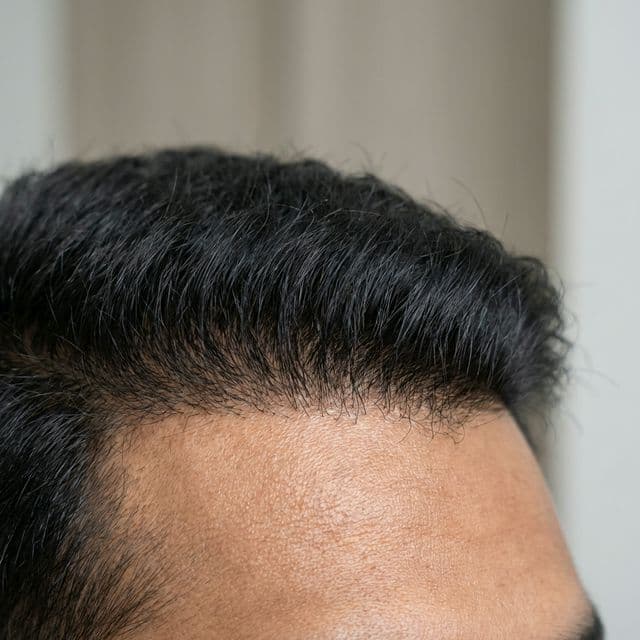
Yes, a hair transplant can work well for the right type of hair loss, when there is enough healthy donor hair and the plan matches what the scalp can support. It does not create new follicles. It moves hair from one area to another, so the amount of coverage is limited by donor supply. Results are also slow: early shedding is common, new growth usually starts after about three to four months, and the result is judged closer to 12 to 18 months.
If you are considering treatment in Hyderabad, a consultation for hair transplant planning should first confirm the cause of hair loss, donor capacity and a realistic long-term design. A photo or a graft number alone cannot answer whether it will work for you.
What “working” means in a hair transplant
People use “does it work?” to mean different things. They may want to know whether transplanted grafts grow, whether the result looks natural, whether it will last, or whether it will restore the same density they had as a teenager. These are separate questions. A transplant may give lasting improvement without recreating the original density of the scalp.
- The grafts grow: healthy follicles placed correctly can produce new hair after the normal healing and growth cycle.
- The result looks natural: this depends on hairline design, graft direction, spacing, hair characteristics and the skill of the operating team.
- The result lasts: transplanted follicles from a suitable donor zone are usually more resistant to the pattern of hair loss, but the native hair around them may continue to thin.
- The result matches your goal: this depends on the size of the thinning area, donor supply, hair calibre and how much density is realistically possible.
Which hair loss is most suitable?
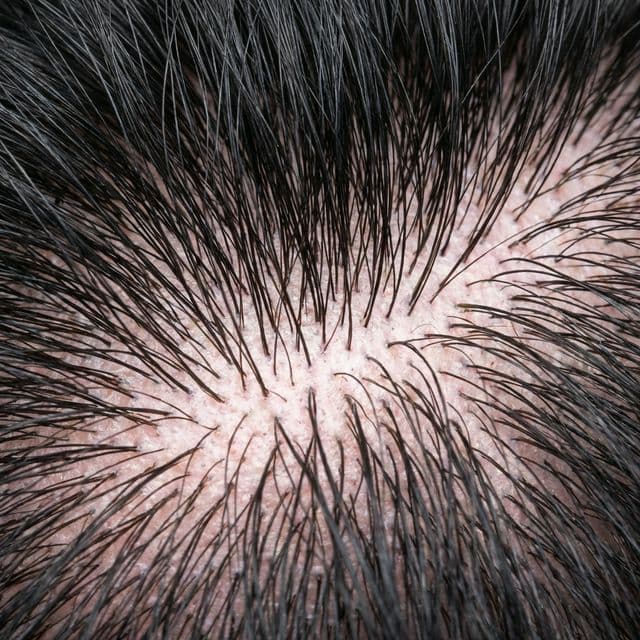
Hair transplantation is mainly used for stable, permanent hair loss such as male pattern baldness. It can also be considered in selected cases of female pattern hair loss, scarring from injury or surgery, and some other forms of localised loss. The diagnosis matters. Sudden shedding, patchy bald spots, active scalp inflammation and hair loss linked to an illness may need medical treatment first, not immediate surgery.
A doctor may ask about the speed and pattern of shedding, family history, medicines, nutrition, illness, scalp symptoms and previous treatments. The scalp and donor area should be examined. If the cause is uncertain, tests or a dermatology review may be more useful than booking a transplant.
Why some transplants produce a good result
A useful result starts with matching the treatment to the patient, not with choosing the largest graft number. The plan should protect the donor area and leave enough flexibility for future hair loss. The hairline should suit the person’s age and facial proportions. The crown should not be promised dense coverage when the donor supply is limited.
The surgeon also needs to consider hair thickness, curl, colour contrast with the skin, scalp size and the amount of native hair that is still present. Coarser or curlier hair may give more visual coverage than very fine, straight hair even when the graft count is similar. This is why two people with the same number of grafts can see different levels of fullness.
How long does it take to see the result?
A transplant is not an instant fix. The visible hair shaft can shed during the first few weeks. This is often called shock loss or shedding after transplantation, and it does not by itself prove that the graft has failed. The follicle can remain in the scalp and enter a resting phase before it grows again.
The broad pattern is as follows:
- First days: the scalp may be sore, tight, swollen or crusted. The grafts need careful protection.
- Weeks 2 to 8: many transplanted hairs shed. The area can look worse before it improves.
- Months 3 to 4: early new hairs may begin to appear. They can be fine or uneven at first.
- Months 6 to 9: density and thickness usually become more noticeable, but the result is still developing.
- Months 12 to 18: the result is easier to judge. Some patients mature earlier or later.
Exact timing varies. Following the clinic’s washing, exercise and medicine instructions is important, but no aftercare plan can force every follicle to grow at the same speed.
Why a transplant may not meet expectations
A transplant can disappoint even when some grafts grow. The common reason is a mismatch between the plan and the biology of the scalp. The following problems deserve a clear discussion before surgery:
- The diagnosis is wrong or the loss is still active. Transplanting during rapid, unexplained shedding can make planning unreliable.
- The donor area is weak, already miniaturising or too small for the requested coverage. Donor hair is a limited resource.
- The requested density is not possible. A transplant redistributes follicles; it does not provide the density of an untouched scalp on demand.
- The hairline is placed too low or designed too straight. This can look unnatural and may age poorly as surrounding hair changes.
- Native hair continues to thin. The transplanted zone may remain while nearby hair becomes thinner, changing the overall appearance.
- The grafts are damaged, poorly handled or placed at the wrong angle. This may reduce growth or create an unnatural direction.
- The patient judges the result too early. A few months is not enough time to decide that a transplant has failed.
What about medicines after a transplant?
A transplant moves follicles but does not stop the cause of ongoing pattern hair loss. Some patients may be advised to use medicines such as minoxidil or finasteride to help maintain native hair. These medicines are not suitable for everyone and should be discussed with a qualified doctor. Finasteride, in particular, needs a proper discussion of possible side effects and its use in women who may become pregnant. Do not start, stop or share prescription medicines based only on an online article.
For a long-term result, it is often helpful to think of surgery and medical treatment as two different parts of the plan: surgery adds coverage in selected areas, while medical treatment may help preserve hair that was not transplanted.
How to judge a clinic’s claims
Before choosing a clinic in Hyderabad, ask questions that test the plan rather than only the price or a promised graft count. A responsible consultation should explain both what can be improved and what cannot.
- What is the likely cause and pattern of my hair loss?
- How was my donor density measured, and what is the safe lifetime donor supply?
- Which areas are being prioritised, and why?
- Who will design the hairline, make the recipient sites, extract the grafts and place them?
- What happens if native hair continues to thin?
- When will you review the result, and what problems should make me contact the clinic earlier?
- Can I see consistent, dated examples of patients with a similar pattern and hair type?
Be careful with guarantees of a fixed number of grafts, 100% growth, instant density or a result that will never need review. Human healing varies, and a high graft number is not automatically a better plan.
When should you delay a transplant?
A delay may be sensible when hair loss is changing quickly, the diagnosis is uncertain, the scalp has active disease, the donor area is too weak, or expectations are not realistic. Sudden hair loss, painful or inflamed scalp, scaling, pus, bleeding lesions or a new localised bald patch should be assessed in person. These signs can point to a condition that needs treatment before cosmetic surgery.
A younger patient may also benefit from waiting while the pattern becomes clearer or while medical treatment is considered. The right timing is not based on age alone. It depends on the diagnosis, stability, donor area and the plan for future loss.
Is a hair transplant worth it for everyone?
No. It can be useful for a patient with a confirmed form of permanent hair loss, a dependable donor area and a realistic goal such as improving the hairline or adding coverage to a defined region. It may be the wrong first step for temporary shedding, diffuse loss with poor donor density, untreated scalp disease or someone expecting a full return to teenage density.
The best decision is the one that still looks sensible if the hair loss changes over the next 10 or 20 years. That usually means a conservative hairline, careful donor planning and an honest conversation about maintenance.
Frequently asked questions
Do hair transplants work permanently?
Transplanted follicles from a suitable donor zone are intended to provide long-term growth, but the overall appearance can change as native hair ages or thins. “Permanent” should not be taken to mean that the whole scalp will never change or that another review can never be needed.
How do I know if my transplant is working?
Early shedding is common, so the first few weeks are not a reliable test. New growth often starts around months 3 to 4 and becomes easier to judge after 6 to 9 months. The result is usually assessed around 12 months, sometimes later. Follow-up photographs and examination are more useful than daily mirror checks.
Can a hair transplant fail?
Yes. Some grafts may not grow, and the result may be less dense or less natural than planned. Infection, poor handling, inadequate donor planning, ongoing native hair loss and unrealistic expectations can all contribute. If there is severe pain, increasing redness, pus, fever or heavy bleeding, contact the treating clinic promptly.
Will a hair transplant work if I have very thin donor hair?
A weak donor area can limit both the number of grafts and the lasting value of the result. Donor hair should be checked for density and miniaturisation. A consultation may recommend medical treatment, a smaller target area or no transplant if the risk of a poor result is high.
Can I return to work quickly after a hair transplant?
Many people return to desk work within several days, but swelling, crusts and visible short hair can affect timing. Exercise and scalp care restrictions vary by technique and the treating doctor’s instructions. Plan around the actual procedure and do not assume that being pain-free means the grafts are fully secure.
References
Cleveland Clinic: Hair transplant and success rates
American Society of Plastic Surgeons: Hair restoration
International Society of Hair Restoration Surgery: Expectations and decision-making
Practical takeaway
A hair transplant can work, but success means more than seeing new hairs. Before choosing surgery, get the diagnosis, donor assessment, coverage plan and long-term maintenance discussion in writing. If the plan is suitable, you can then explore the next steps through the hair transplant service page and a proper in-person consultation.