An itchy, flaky scalp before a hair transplant deserves a diagnosis, even if it seems like ordinary dandruff. Mild flakes do not automatically prevent surgery, but active redness, scratching, infection or an uncertain scalp condition can change the plan. The practical goal is to make the donor and recipient skin calm enough for a safe procedure and reliable aftercare. Women and men with dandruff, seborrhoeic dermatitis or another scalp rash should tell the surgeon before a date is fixed.
Dandruff and seborrhoeic dermatitis are related, but not identical
Dandruff usually means visible flakes without much inflammation. Seborrhoeic dermatitis can cause flaking plus an itchy, inflamed rash, often in oily areas of the scalp, eyebrows or around the nose. The American Academy of Dermatology describes dandruff as a possible mild form of the same process and notes that dermatitis can recur. On Indian skin, inflammation may look darker or lighter rather than bright red.
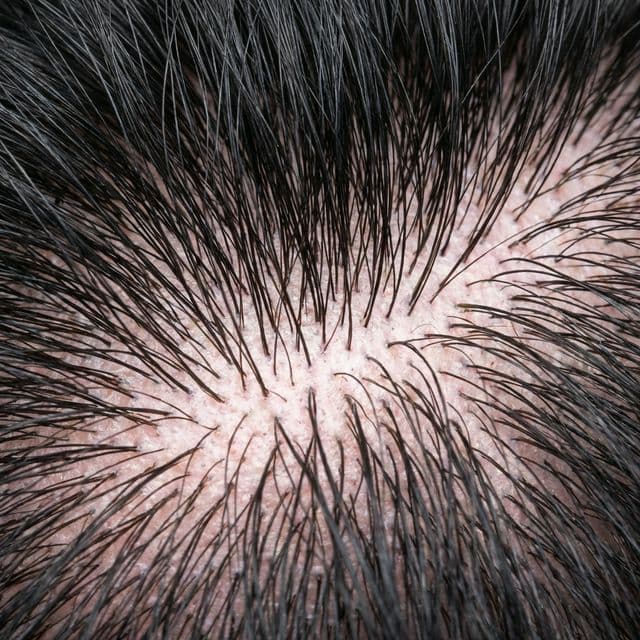
Not every flake is seborrhoeic dermatitis. Psoriasis, eczema, contact allergy, fungal infection and a dry scalp can overlap in appearance. A greasy yellow scale, a sharply defined thick plaque, broken hairs or tender spots can each point the examiner in different directions. A transplant consultation should include inspection of the skin beneath the hair, not just a count of grafts that might fit the visible gap.
A scalp disorder may affect where grafts are placed, how aftercare products are tolerated and whether scratching could disrupt healing. Getting the diagnosis right is usually more valuable than applying a new shampoo every day in the week before surgery.
Does dandruff directly make transplanted grafts fail?
There is no sound basis to claim that a few dry flakes inevitably destroy grafts. The more important concerns are active inflammation, infection, heavy scale that obscures the skin and itch that leads to scratching. Small recipient sites and donor wounds heal more predictably when the surrounding scalp is in good condition. If the skin is very inflamed, the team may prefer to treat it before operating.
Dandruff can also recur after transplantation. A graft procedure does not cure the underlying tendency to seborrhoeic dermatitis. A plan for long-term control matters after the immediate surgical period. That plan should be agreed with the surgeon and dermatologist, because normal medicated products may need to be paused or modified while incisions heal.
A patient with active scalp psoriasis, scarring inflammation or suspected infection may need a different assessment. The presence of flakes alone does not let an online article decide whether a procedure is safe. The AAD recommends a dermatologist's assessment when it is unclear whether a dry, itchy scalp is dandruff or another condition.
How is seborrhoeic dermatitis usually treated?
The AAD treatment guidance describes medicated dandruff shampoos as a common first step and explains that some patients need other topical medicines. The active ingredients and frequency depend on hair type, severity and tolerance. Curly or tightly coiled hair may need a different shampoo schedule from straight hair. Follow a clinician's instructions rather than copying a product routine from someone else's transplant diary.
A dermatologist may recommend antifungal shampoo, an anti-inflammatory treatment or a maintenance plan. A treatment can reduce itch and scale without permanently eliminating the condition. If a product causes stinging or worsens redness, report that rather than increasing the dose. Once the scalp is controlled, the surgical team can decide when the transplant is practical.
Do not use a strong steroid cream, concentrated essential oil, chemical peel or harsh anti-dandruff product on a fresh transplant unless prescribed. The skin immediately after surgery differs from intact skin. An established dermatitis medicine may need a temporary substitution or a later restart date. Ask about that before the operation, not after itching becomes difficult to tolerate.
What should you tell the transplant surgeon?
Describe how long the flakes have been present, whether the scalp burns or itches, and where the rash occurs. Mention previous diagnoses, medicines, shampoos, hair dye reactions and treatment responses. Photographs from a flare can help if the scalp is clear on consultation day. Tell the team if you also have flaking on the eyebrows, ears or face, as that may support the diagnosis.
The surgeon should examine both donor and recipient skin. A healthy-looking donor area by hair density alone may still have inflammation. The hair transplant service page explains the surgical option, but the operative decision is based on your scalp on the day and its recent history. A proposed graft count should never replace a skin examination.
Ask how treatment will continue through the preoperative period and exactly when each shampoo or solution can be used after surgery. If the surgeon and dermatologist give different instructions, ask them to reconcile the plan. Do not independently stop prescribed medicines or silently continue a product onto fresh wounds.
Should surgery be delayed during a flare?
It may be sensible when the rash is active, extensive, painful, crusted or poorly diagnosed. The clinical team needs clear access to skin and confidence that inflammation will not complicate wound care. A short delay to control dermatitis can be more useful than rushing because a booking date has been set. A mild, controlled condition may not require the same decision. There is no universal rule based solely on the word dandruff.
Consider a further review if scratching has broken the skin or if there are pustules, drainage or a tender lump. Those findings may indicate another process needing treatment. A scalp biopsy is not routine for ordinary seborrhoeic dermatitis, but the AAD notes it may be used when two conditions are difficult to distinguish. The purpose is diagnosis, not a transplant package requirement.
When the scalp is calmer, document the response. Is itching reduced? Are thick scales gone? Is the skin intact? These are practical signs to discuss at follow-up. A clear plan includes what happens if a flare recurs just before surgery.
What about flakes after the transplant?
Early scabs and dried skin from surgery can look like dandruff. Do not scrape them away or assume the old dermatitis has returned. Follow the washing and scab-care instructions provided by the surgical team. If itching, rash or heavy scale persists beyond expected healing, send photographs and ask for review. The team can distinguish normal healing from a flare, allergy or infection.
The AAD self-care advice supports gentle washing and avoiding irritating products for seborrhoeic dermatitis. For a fresh grafted scalp, even gentle routine care must fit the surgeon's specific timeline. Excessive heat, harsh shampoo and scratching are avoidable irritants. If you feel compelled to scratch at night, ask for a treatment plan instead of trying to tolerate it.
Later, once the scalp has healed, a long-term maintenance shampoo or other product may again be appropriate. Make sure the prescribing clinician knows you have had a transplant and where donor and recipient areas are. Persistent inflammation should be addressed on its own terms rather than blamed on graft failure.
Can scalp inflammation itself cause hair loss?
Some scalp disorders cause temporary shedding through inflammation or scratching. Others, especially scarring diseases, can destroy follicles. Seborrhoeic dermatitis commonly makes the scalp uncomfortable but does not automatically explain a permanent bald patch. If hair is thinning, a dermatologist should examine the pattern. Pattern hair loss, shedding and inflammatory disease can coexist.
A transplant is intended to redistribute healthy follicles into a stable area. It does not treat an active inflammatory cause of loss. If the hair-loss diagnosis is uncertain, further assessment protects both the existing hair and the donor reserve. The article about hair-loss diagnosis from AAD explains why tests are sometimes used when disease or infection is suspected.
If a clinic proposes surgery solely because the hair looks thin without checking the rash, ask why the scalp condition is being overlooked. A careful assessment may find that medical treatment needs to come first, or that there is no surgical target at all.
Practical preoperative checklist
- Record your scalp symptoms, where they occur and what makes them worse.
- Bring a list or photograph of every shampoo, dye, oil and scalp medicine used recently.
- Ask a dermatologist to identify a persistent, painful or unusually thick rash.
- Confirm with the surgical team which products to continue before and after the operation.
- Arrange a review if redness, scratching or pustules return near the proposed date.
A checklist prevents last-minute decisions based on embarrassment about flakes. Scalp conditions are common; sharing the history helps the team plan rather than disqualifying you automatically.
Frequently asked questions
Can I have a hair transplant if I use ketoconazole shampoo?
Possibly. The medicine itself is not a general prohibition, but the diagnosis and current scalp condition matter. Ask your dermatologist and surgeon how to use or pause it around surgery. Do not apply a medicated shampoo onto newly grafted skin without a specific postoperative instruction.
Is seborrhoeic dermatitis contagious?
No. The AAD describes it as a common inflammatory condition, not something passed from person to person. That does not mean every flaky rash is the same; fungal infection and other conditions may need a different diagnosis. A clinician can examine suspicious signs.
Will a transplant permanently stop dandruff?
No. It moves follicles but does not remove the tendency to recurrent dermatitis. Many people need ongoing maintenance care once the transplant has healed. The exact regimen should be tailored to their skin and hair type.
Should I scrub off thick flakes before consultation?
No. Vigorous scraping can break the skin and make it harder to judge the original condition. Photograph the scale and explain what you have used. A clinician can advise a safe way to loosen it and treat the underlying inflammation.
What if my flakes appear only after surgery?
They may be ordinary scabs, temporary dryness, irritation from a product or a dermatitis flare. Follow aftercare, avoid picking and ask the surgical team if the appearance is spreading or uncomfortable. Pain, pus or increasing redness deserves prompt review.
Next step
Have the flaky scalp examined and controlled before committing to a graft date. If the donor hair and hair-loss pattern are suitable, a hair transplant assessment can then plan surgery alongside a safe scalp-care schedule. A calmer scalp is a practical foundation for both procedure and recovery.
Why a documented plan helps after surgery
A written plan should separate the first days of wound care from later maintenance of a chronic scalp condition. Ask which product is used on the donor area, which on the recipient area, and when normal scalp washing resumes. Ask whom to call if itching returns during a weekend or while travelling. Keep your dermatologist's product names and the surgeon's aftercare sheet together so that an unfamiliar clinician can understand the plan if you need help.
If you have previously needed several medicines to control flares, discuss that before choosing a date. The surgical team may arrange a review shortly before the operation and another after healing. This is especially useful when symptoms are seasonal or react to sweating. A planned review is easier than deciding under pressure whether to apply a strong treatment to fresh graft sites. Clear instructions can also prevent people from stopping effective long-term care for longer than needed.