Curly, coily and tightly curled hair can produce excellent visual coverage after a hair transplant, but the surgical plan must respect how each follicle curves beneath the skin. Surface curl alone does not tell the whole story. Donor extraction, graft handling, hairline design and expectations all need individual assessment. This applies to women and men across a wide range of hair textures. A consultation should evaluate your actual hair and scalp rather than claim one standard graft number or technique suits everyone with curls.
Why curl changes the planning conversation
A strand that bends above the scalp may also curve below the skin. During follicular unit excision, a surgeon makes a small circular cut around a follicular unit. If the instrument follows a straight path while the follicle curves, the graft can be cut or damaged. The International Society of Hair Restoration Surgery discussion explains why curved follicles can make extraction more technically demanding. This does not mean transplantation is impossible; it means technique and experience matter.
Curl also affects appearance. One curled strand can occupy more visual space than a straight strand of the same length. Colour contrast with the scalp, shaft thickness and styling all affect how dense an area appears. These characteristics may help coverage, but they cannot compensate for overharvesting or a poor diagnosis. The surgeon should assess donor capacity and realistic recipient density directly.
Do not assume all curly hair is the same. Loose waves, ringlets and tight coils differ in surface and subcutaneous shape. Hair texture can vary between donor and recipient regions on one person. The team should inspect several areas and discuss how the donor hair will look in the proposed hairline.
How should the donor area be assessed?
The donor area is usually at the back and sides of the head. A surgeon examines density, calibre, curl, scalp health and the pattern of hair loss. They should consider how short you normally wear your hair, because extraction marks and reduced donor density can be more visible with a close cut. A transplant moves existing follicles; it cannot create an unlimited supply. A hair transplant consultation should document donor density and extraction risks for your curl pattern.
A small trial of extraction or careful inspection during surgery may guide technique when the follicle's course is uncertain. The aim is to minimise transection and preserve usable grafts. Ask who performs the extraction and how they judge graft quality. The ISHRS FUE resources describe follicular unit excision as a surgical procedure, a useful reminder that marketing labels do not replace surgical skill.
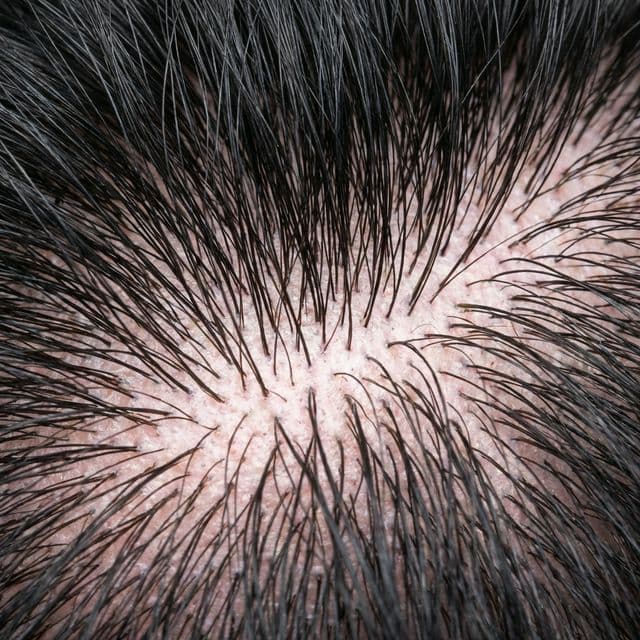
In a person with diffuse donor thinning, an apparently dense curl pattern can hide limited follicle numbers. Magnified examination can help distinguish visual fullness from actual donor reserve. If donor quality is weak, a high graft quote should be challenged. Using too much donor hair in one session can leave the back thin and limit future options.
Does curly hair require FUE or FUT?
No single method is automatically right for every curl pattern. Follicular unit excision removes units individually, while strip surgery removes a strip that is dissected into units, leaving a linear scar. Each has trade-offs in donor management, scars, hairstyle and recovery. Curvature is one factor among many, not a reason to choose a method by slogan. A surgeon may recommend a technique based on the follicle shape, donor supply and patient preferences.
Ask for a clear explanation of likely scars with your usual haircut. Someone who wears hair very short may care more about scattered extraction marks; someone who prefers more length may think differently about a linear scar. Neither method is scar-free. The plan should also cover whether a future procedure might be needed and how much donor reserve will remain.
A clinic that promises a particular branded technique can extract every curl without damage should be viewed cautiously. Graft survival depends on multiple steps: extraction, handling, storage, site creation, placement and aftercare. A device name is not a guarantee of outcome.
Hairline design for curled hair
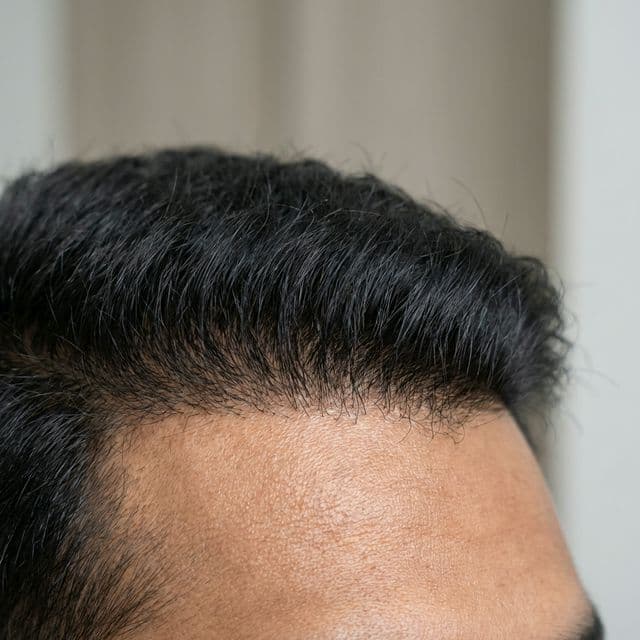
A natural-looking hairline is not a perfectly straight row of identical curls. The surgeon should discuss your facial proportions, age, existing hairline, styling and possible future loss. Placement angle and direction are important because a curl can project differently from a straight strand. The same graft can look more or less conspicuous depending on where its curl sits and how adjacent hairs flow.
Photographs of your hair at different lengths can help. Some people wear natural curls daily; others sometimes straighten or tie their hair. A hairline must work with the styles you actually use, not just one photograph taken on consultation day. If you have long hair, ask how the shorter transplanted growth will blend during the months before it reaches similar length.
Women may have a different target, such as widening parting coverage or restoring edges after traction loss. Men may want hairline or crown coverage. These are common patterns, not fixed rules by sex. A correct diagnosis and stable donor supply determine whether surgery is appropriate in either case. The AAD advice on traction hairstyles is relevant when styling tension contributed to edge loss.
Diagnosing the hair loss first
A transplant is useful only for selected, reasonably stable loss. Curly hair can be affected by inherited pattern loss, traction alopecia, inflammatory scalp conditions and temporary shedding. These conditions have different treatment pathways. Tight braids, extensions or frequent pulling can damage edges; scarring disease can destroy follicles; telogen effluvium may recover without surgery. A surgeon should not infer the diagnosis from hair texture alone.
The AAD hair-loss diagnosis guidance explains why a dermatologist may sometimes use blood tests or a biopsy. If a hairline is inflamed, painful or rapidly changing, a medical assessment should precede graft placement. Transplanting into an active scarring process can give poor results and delay needed treatment.
A person who has frequently used relaxers, heat or extensions should explain that history without embarrassment. Hair-shaft breakage may make the scalp look thin even when follicles remain. Managing breakage and traction first may change how much, if any, transplantation is needed.
What result should you expect?
A good result improves appearance in a planned area while preserving the donor region. It cannot restore childhood density over every part of the scalp. Curly hair may create pleasing visual coverage with a careful arrangement, but actual follicle numbers still matter. Results take months as transplanted hairs shed their shafts and grow again. Hair length and curl pattern can make visual progress appear uneven during that period.
Ask to see unedited examples with comparable curl and hair-loss patterns at a similar stage of growth. A single close-up under favourable light does not demonstrate donor condition or how the hairline looks in ordinary daily styling. Request views of the front, top and donor area. The surgeon should also discuss what happens if surrounding native hair thins later.
The hair transplant service page sets out the available procedure. Your consultation should turn that general description into a specific plan for your follicle shape, donor capacity, hairline and aftercare. Be wary of an identical graft quote offered to all people with the same visible degree of baldness.
Questions about graft handling
The team should explain how units are identified, extracted and protected outside the body. Curved follicles may require adjustment to extraction angle or instrument choice. Technicians and surgeons should be trained to recognise damaged grafts. Ask how the operation is paced, who performs each stage and what happens if the safe extraction yield is lower than expected.
A planned number is an estimate, not a quota that justifies excessive donor removal. The surgeon should be prepared to stop before reaching it if graft quality or donor appearance makes continuing unwise. Consent should cover that possibility. It is a sign of responsible planning, not failure, to protect the remaining donor supply.
Placement also needs care. A curled hair emerging at the wrong angle can become conspicuous or hard to style. The hairline should use appropriate grafts and irregularity so it looks natural. You can ask how your existing hair direction will be matched, especially around temples, parting and crown swirl.
Caring for curls during recovery
Follow the specific washing, sleeping and headwear guidance from the surgical team. Curl routines often involve leave-in conditioners, oils, gels or protective styles. Do not restart them on fresh recipient skin until cleared. Avoid pulling, tight wraps and braids over the operated area during healing. Ask when detangling and styling can safely resume.
Once healing is complete, gentle care helps reduce breakage in existing and transplanted hair. The AAD's hair-loss care advice recommends a gentle shampoo, conditioner and low-trauma handling for fragile hair. A transplant cannot protect native hair from damaging tension or heat. Long-term styling choices remain part of the outcome.
If you need a wig or head covering while new growth develops, ask what is safe against the healing scalp and when. Friction, adhesives and tight fittings deserve discussion. A useful clinic plan accommodates work and social needs without putting grafted skin under avoidable strain.
Consultation checklist
- Has the clinician diagnosed the hair loss, including any traction or scalp disease?
- How curved are follicles in the donor area, and how does that affect extraction?
- What are the expected marks or scars with my usual hair length?
- Who performs extraction, recipient-site design and placement?
- What is the realistic coverage and what donor reserve will remain?
- How will my normal styling routine change during healing?
A clear answer to each question is more useful than a promise of maximum density. Take photographs showing your usual curl pattern and styles to the visit.
Frequently asked questions
Does curly hair need fewer grafts?
It can create a fuller visual effect in some settings, but there is no reliable universal discount in graft count. Hair calibre, curl, scalp contrast, size of the area and desired style all matter. An individual assessment is needed to estimate what a limited donor supply can achieve.
Is FUE impossible for tightly curled hair?
No. Curved follicles can make excision more challenging, and technique must account for their path. The decision depends on the surgeon's experience, the actual follicle shape and donor assessment. Another method may be discussed if it better balances graft quality and scars for you.
Can a transplant fix thinning edges from tight hairstyles?
Possibly, if traction has stopped, the area is stable and the donor hair is suitable. Early traction loss may improve when the pulling hairstyle is changed. If the skin is scarred or inflamed, diagnosis and treatment come first. A graft plan should not encourage returning to the damaging style.
Will the transplanted hair keep its curl?
Transplanted hair generally reflects its donor characteristics, though its appearance can change with length, care and the way it is placed. Ask the surgeon to show where donor hair will come from and how its curl compares with the recipient region. No clinic should promise every graft will behave identically.
Is the advice different for women and men?
The extraction principles are similar, while the pattern of loss and styling goals may differ. Women may have diffuse loss or edge concerns that demand careful diagnosis; men may have progressive hairline or crown loss. These are examples, not assumptions about an individual. The consultation should be based on your scalp.
Next step
If you have curly or coily hair and are considering surgery, request an assessment that examines both follicles and scalp health. A hair transplant consultation should produce a realistic donor plan, technique discussion and hairline design that suits your own texture and everyday styling.