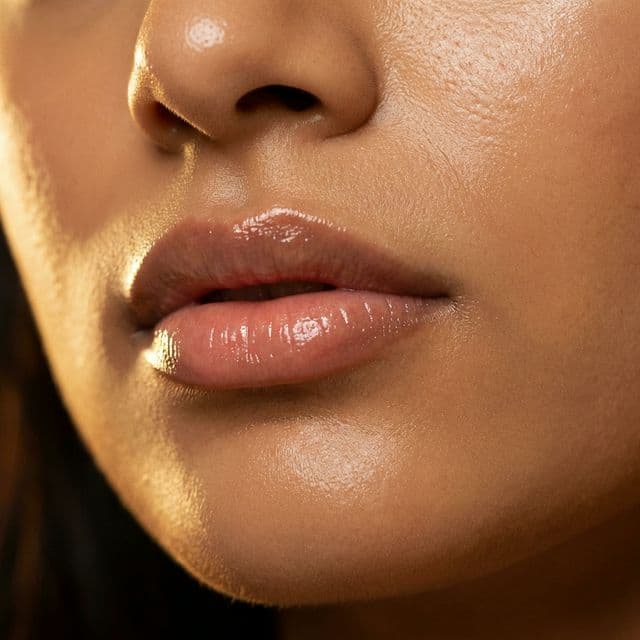
The chin may be a subtle feature when considered in isolation, but its influence on the overall face is disproportionate to its surface area. A recessed or underprojected chin shortens the appearance of the lower face, weakens the jawline, and causes the nose to look larger and more prominent than it actually is. Conversely, a well-proportioned chin gives the face structural grounding, improves the neck-to-jawline transition, and creates balance between the forehead, midface, and lower third.
Chin augmentation is one of the highest-satisfaction procedures in aesthetic medicine, partly because the improvement it creates is broader than patients often anticipate. A well-planned chin augmentation does not simply make the chin bigger — it rebalances the entire lower face and, in many cases, meaningfully reduces the perceived size of the nose without any nasal surgery at all.
This guide walks through both surgical and non-surgical chin augmentation: what each achieves, who each is suited to, how results compare, and what a patient in Hyderabad should know before proceeding.
Why Chin Position Matters for Facial Proportion
The lower facial third
Aesthetic facial analysis typically divides the face into thirds: the upper third (hairline to brow), the midface (brow to nasal base), and the lower third (nasal base to chin). In a well-proportioned face, these thirds are roughly equal in height. The chin tip is also ideally positioned on a vertical line (the Ricketts E-plane) that relates the nose tip and chin to each other — a recessed chin sits behind this line, making the nose appear to protrude further than it does.
The chin-nose relationship
One of the most common reasons patients consult about rhinoplasty is a nose that 'looks too big.' In a meaningful proportion of these patients, a significant part of the problem is actually a recessed chin rather than an oversized nose. Bringing the chin forward — surgically or with filler — improves the nasal-chin balance and can make the nose read as clearly more proportionate, sometimes eliminating the desire for rhinoplasty entirely or meaningfully reducing the degree of nasal change required.
Men and women benefit differently
Chin augmentation is consulted for by both men and women, but the aesthetic goals differ. In men, a stronger, more projected chin creates a more defined jaw and a more assertive facial profile — a concern that is increasingly addressed in aesthetic medicine. In women, the goal is more often gentle improvement of an underdeveloped or short lower face without creating a chin that reads as masculine. The implant shape, size, and positioning are selected accordingly, which is why a one-size approach is never appropriate.
Surgical Chin Augmentation: The Implant Approach
How the procedure works
Surgical chin augmentation involves placing a solid silicone implant directly over the chin bone through a small incision. The incision is made either inside the mouth (intraoral — invisible scar, but slightly higher infection risk) or in a small natural crease beneath the chin (submental — a nearly invisible scar in most patients). The implant is placed in a precise pocket directly on the bone and secured with a small titanium screw in most cases, which prevents migration over time.
The operation is performed under general or local anaesthesia with sedation and takes less than an hour as a standalone procedure. It is frequently combined with rhinoplasty, liposuction of the submental area, or face and neck lift surgery, where chin augmentation provides the structural anchor for the lower third whilst the other procedures address sagging or volume concerns.
Implant selection
Chin implants vary in shape and projection. Standard anatomic implants project the central chin forward in a natural mound. Extended anatomic implants project the chin and additionally create definition along the lower jawline for patients who also want a stronger mandibular appearance. Vertical height implants address a short, vertically deficient chin rather than one that is simply recessed. Selecting the right implant requires pre-operative measurement of the current chin position relative to the nose, the vertical height of the lower face, and the degree of jawline definition present.
What makes a result look natural?
The most common reason a surgical chin augmentation looks overdone is implant over-selection — placing a projection or width that is too large for the patient's face. The goal is to bring the chin into proportion with the existing facial framework, not to create a prominent chin that draws attention to itself. A well-chosen implant shifts the facial balance visibly but subtly — most people notice that the patient looks better without immediately identifying the source of the improvement.
Non-Surgical Chin Augmentation: Dermal Filler
What filler achieves in the chin
Dermal filler — most commonly a firm hyaluronic acid gel or calcium hydroxylapatite — can project the chin forward, add vertical height, and widen the lower chin button when injected with careful technique. The effect is immediate, adjustable, and reversible. For patients who want to preview the effect of chin augmentation before committing to surgery, filler offers a useful and increasingly popular option.
Who is best suited to chin filler?
Filler works well for patients who want a modest improvement in projection, those who are unsure whether they want a permanent change, and younger patients with early chin underprojection who are not yet ready for surgery. It also works well alongside other non-surgical treatments — for example, combining chin filler with jawline filler and anti-wrinkle injections for a comprehensive non-surgical lower face enhancement.
Limitations compared to implants
Filler cannot replicate the degree of projection that a surgical implant can achieve. For patients who need a significant change — more than 5 to 8 mm of forward projection — filler often under-corrects or requires large volumes that can look unnatural or feel firm. Filler also dissolves over time, requiring repeat treatment, and the long-term cost of maintenance typically exceeds the one-time cost of an implant over a 5 to 10 year horizon. For patients with clear, significant underprojection and a desire for permanent correction, surgery is the more logical solution.
Combining Chin Augmentation with Other Procedures
Rhinoplasty and chin augmentation together
The combination of rhinoplasty and chin augmentation is one of the most reliably harmonious pairings in facial surgery. Correcting both the nasal shape and the chin position simultaneously allows the surgeon to optimise the overall facial geometry rather than adjusting one feature in isolation. In patients where the nose concern is partly driven by chin deficiency, the combined result can be dramatically better than either procedure alone.
Neck liposuction and chin augmentation
Many patients with a recessed chin also have a less defined cervico-mental angle — the angle between the neck and the lower jaw. Combining chin augmentation with liposuction of the submental area (under the chin) removes the fat padding that blunts the jaw-to-neck transition and complements the forward chin projection to create a much sharper, more defined lower face. This is one of the most common combination requests in patients who want a stronger jaw and a cleaner neckline.
Dermal fillers in the same session as a surgical chin implant
It is generally inadvisable to inject dermal filler in or immediately adjacent to areas where an implant has been placed. The risk of infection is increased when foreign material (filler) is introduced into a surgical site. Any non-surgical enhancements to the face should be completed before surgery or deferred until the implant has fully settled — typically three to six months post-operatively.
Recovery After Surgical Chin Augmentation
The first week
Swelling and mild bruising of the chin and lower jaw area are expected after surgery and are most prominent in the first three to five days. The chin may feel numb or tight, and chewing can be mildly uncomfortable. Most patients prefer a soft diet for five to seven days. An external compression garment or chin tape is often applied to reduce swelling and define the new contour as healing progresses.
The first month
Swelling diminishes progressively throughout the first month. By week two, most patients feel comfortable returning to work and normal social activity. The implant begins to feel less prominent and more integrated with the surrounding tissue as the soft tissue adjusts. Strenuous exercise and any activity with significant impact to the lower face is avoided for at least four weeks.
Final result
The vast majority of swelling resolves by eight to twelve weeks. The chin implant feels fully integrated and natural — no different from the native tissue — in most patients by three months. The final contour is visible and stable from this point, and the result is essentially permanent assuming no implant-related complications.
Risks and How to Minimise Them
Implant migration
Without fixation, a chin implant can shift from its intended position during healing. Most surgeons now secure implants with a small titanium screw to the chin bone, which prevents lateral or inferior migration. Malpositioned implants may require a revision procedure to reposition or replace.
Nerve sensation changes
The mental nerve — which provides sensation to the lower lip and chin skin — runs adjacent to the implant pocket. Temporary numbness or altered sensation in the lower lip, chin skin, or lower teeth is common post-operatively and resolves in the majority of patients within weeks to months. Permanent sensory disruption is rare but possible.
Infection
Infection of the implant pocket is an uncommon but serious complication. It may require implant removal, antibiotic treatment, and eventual replacement once infection is fully cleared. Intraoral incisions carry a slightly higher risk than submental approaches due to oral bacterial flora. Pre-operative antibiotics and careful post-operative hygiene significantly reduce this risk.
Bone resorption
Long-term pressure from a hard implant on the underlying chin bone can cause gradual resorption of the bone surface over many years. This is more commonly associated with older, heavier implant materials. Modern anatomically designed silicone implants have a lower surface contact pressure and a lower resorption rate, though the phenomenon does still occur in some patients over decades.
What to Ask at Your Chin Augmentation Consultation
A productive consultation should include a specific assessment of chin projection using standardised facial analysis — not just an agreement to proceed based on the patient's request. Questions worth asking include:
- What projection am I being undercorrected, correctly corrected, or overcorrected to?
- Which implant style and size has been selected, and why?
- Will the incision be intraoral or submental, and what are the trade-offs?
- Is screw fixation being used?
- Will this be combined with any other procedure, and why or why not?
- What happens if I do not like the result — is revision straightforward?
Chin Augmentation in India: What Patients Should Know
Chin augmentation is increasingly popular among Indian patients, especially among men in their 20s and 30s who are aware of the jawline's role in how the face reads in photographs and on video calls. The concern about facial recessing is not primarily Western — it is a universal aesthetic goal to have a lower face that looks proportionate and defined.
For Indian patients, the combination of a relatively flatter midfacial profile in some individuals and a smaller chin can make the nose appear more prominent and the face look less structured than the patient desires. Both filler and implant approaches work effectively in Indian anatomy, and the choice between them should be based on the degree of change needed, the desire for permanence, and honest consultation with a surgeon experienced in lower facial surgery.
Frequently Asked Questions
How is chin augmentation different from jaw surgery?
Chin augmentation adds projection to the chin point using an implant or filler. Jaw surgery (orthognathic surgery) involves cutting and repositioning the actual jaw bones — a much more complex procedure performed to correct significant skeletal discrepancies, malocclusion, or breathing problems. For cosmetic improvement of a mildly recessed chin in a patient with a normal bite relationship, implant augmentation is far simpler, faster, and carries far less risk and recovery time.
Can a chin implant look natural?
Yes — in experienced hands and with correct implant sizing, a chin implant looks and feels completely natural. Most patients report that their friends and family notice they look better but cannot identify the specific change. The key is conservative implant selection relative to the patient's face, correct positioning, and fixation to prevent movement during healing.
Is the scar visible after a submental incision?
The submental incision is placed in the natural crease directly below the chin — an area that is rarely visible in normal social interactions. It heals into a fine, pale line within a few months. In the overwhelming majority of patients, the scar is not a practical concern. Even in photos taken from directly below the chin, it is barely perceptible within six months of surgery.
Will chin augmentation change my bite or jaw movement?
No. A chin implant is placed over the chin bone and does not alter the jaw joint, teeth position, or bite relationship. Normal jaw movement, chewing, and speaking are fully preserved. Temporary discomfort with chewing during the first week of healing is the only functional effect, and it resolves quickly.
How long does chin filler last compared to an implant?
Dermal filler in the chin typically lasts 12 to 18 months depending on the product used and the patient's individual metabolism. A silicone chin implant is permanent subject to the absence of complications. Over a 10-year period, the cumulative cost, downtime, and number of appointments required for repeated filler maintenance significantly exceeds the one-time cost of a surgical implant procedure.
Can I exercise after chin augmentation surgery?
Light walking is encouraged from the first day post-surgery. More vigorous exercise — running, gym, contact sports — should be avoided for at least four weeks to prevent implant displacement during the healing and tissue adherence phase. Swimming and water immersion should be avoided for at least six weeks.
Can chin augmentation be combined with non-surgical treatments?
Yes, and it frequently is. Chin augmentation (surgical or filler) is often combined with jawline filler, anti-wrinkle injections to the masseter for jaw slimming, and neck liposuction for a comprehensive lower face enhancement. The order in which these are performed matters — surgical procedures should generally precede injectable treatments in any zone where both are planned.
Is chin augmentation suitable for younger patients?
Chin augmentation is appropriate for patients whose facial skeleton is fully developed — generally by age 18 for most patients. It is increasingly requested by patients in their 20s and 30s, and there is no upper age limit provided the patient is in good general health. For younger patients ambivalent about permanence, filler is a useful starting point.
What is the difference between a weak chin and a small chin?
A weak chin typically refers to insufficient anterior projection — the chin tip sits behind where it should in the horizontal dimension. A small chin may also have vertical deficiency — the lower face looks short. These require different implant styles to correct. Some patients have both. Careful pre-operative measurement and analysis determine which dimension needs improvement and inform implant selection.