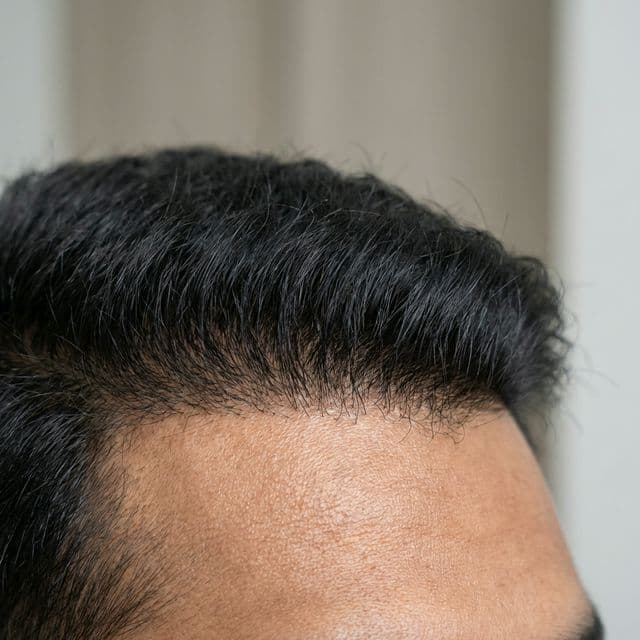
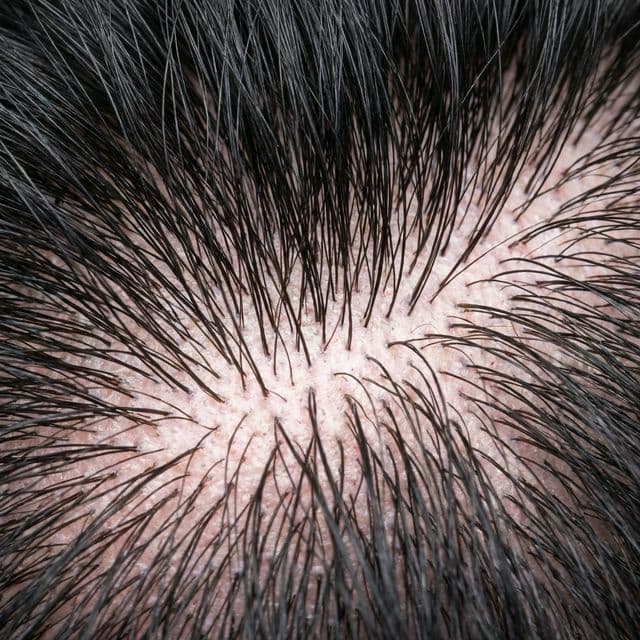
If you smoke, it is safest to stop before a hair transplant and remain smoke-free during the early healing period. Cigarette smoke contains carbon monoxide and other chemicals, while nicotine narrows blood vessels. Together, they can reduce oxygen and blood flow to healing scalp tissue. This may increase the chance of delayed healing, infection, excess inflammation and a less predictable result.
If you are planning a procedure, discuss your smoking, vaping, chewing tobacco or nicotine use openly during your hair transplant consultation. Do not use a general internet timeline as permission to restart. The surgeon who examines your scalp and plans your grafts should give the final advice.
The short answer: avoid smoking after a hair transplant
There is no single restart day that is safe for every patient. The right interval depends on the size of the session, whether the procedure used FUE or FUT, the condition of the donor and recipient areas, your general health, and how your wounds are healing. Many surgical teams ask patients to stop for at least two weeks before and after surgery. Some advise a longer nicotine-free period, especially when healing risks are higher. Follow the written plan from your surgeon.
A single cigarette does not prove that a transplant has failed. Do not panic or hide it. Tell the clinic what you used and when. The team may change your wound-care advice, arrange an earlier review or help you stop again. Repeated smoking during healing is more concerning because the exposure continues while tiny wounds and grafts are settling.
Why smoking matters for hair-transplant healing
Nicotine can reduce blood flow
Nicotine causes blood vessels to tighten. A healing scalp needs a steady supply of blood and oxygen to repair small extraction and recipient-site wounds. Reduced flow can make the early healing environment less favourable. The effect is not limited to people who smoke many cigarettes. Vaping, nicotine pouches, chewing tobacco and some other nicotine products may also affect circulation.
Carbon monoxide reduces oxygen delivery
Cigarette smoke contains carbon monoxide. It binds to haemoglobin and makes it harder for blood to carry oxygen to tissues. Oxygen is needed for collagen formation, immune defence and normal wound repair. This is one reason hospitals advise people to stop smoking before operations, even when the external wounds look small.
Smoke can increase infection and chest risks
Smoking is linked with slower wound healing and a higher risk of infection after surgery. It also affects the lungs and airway, which matters when sedation or anaesthesia is used. A hair transplant is usually performed with local anaesthesia, but the overall surgical plan still includes medical screening and infection prevention.
Does smoking directly kill hair grafts?
It is not correct to say that every cigarette will kill a graft. Graft survival depends on several factors, including the quality of donor hair, the handling and storage of grafts, recipient-site design, blood supply, aftercare and the patient’s health. Smoking adds an avoidable risk to this process. It may make healing less reliable, but it cannot be used to predict the exact number of grafts that will grow in one person.
How long should you stop before a hair transplant?
Ask your surgeon for a clear nicotine-free plan before booking the date. A common minimum used in surgical advice is two weeks before and after an operation, but the exact period varies. Some hospitals advise stopping as early as possible, and longer periods may be recommended for people with diabetes, circulation problems, high blood pressure that is not controlled, previous wound-healing problems or heavy nicotine use.
Stopping earlier is useful even if you cannot manage a long period at first. The body begins to recover after stopping, and a longer smoke-free period gives more time for oxygen delivery and breathing to improve. Do not start or stop a medicine, nicotine replacement product or quit-smoking tablet without discussing it with your doctor. Nicotine replacement may be helpful for some people, but it still exposes the body to nicotine, so the transplant team should know about it.
How long should you avoid smoking after the procedure?
The safest answer is to stay smoke-free for as long as possible. At minimum, follow the interval given by your surgeon and do not restart while the recipient and donor wounds are still healing. The first days and weeks matter because the scalp has many small wounds, crusts and graft sites. Your clinic may use a longer period if you had a large session, if the donor area is slow to heal or if you have other medical risks.
Do not use the absence of visible scabs as the only test. The surface may look better before the deeper healing process is complete. Attend the planned follow-up and ask when your team considers the healing phase complete. The hair-growth cycle continues for many months, but that does not mean you need to avoid every normal activity for months. It means smoking decisions should be made with your surgeon, not by guessing from the appearance of the scalp.
What about vaping, chewing tobacco and cannabis smoke?
Vaping is not a harmless workaround. Many vape products contain nicotine, and nicotine can narrow blood vessels. The vapour may also contain irritants. Tell the clinic whether you use cigarettes, vapes, nicotine gum, nicotine patches, pouches, chewing tobacco, hookah or cannabis. The team needs the full picture to plan safely.
Cannabis smoke also exposes the lungs to smoke and may affect alertness, heart rate and the medicines used around a procedure. Edible products have different risks and are not automatically safe around anaesthesia or prescription medicines. Ask the surgeon and anaesthetist for specific advice. Do not take an unlabelled or borrowed product to manage cravings.
Does smoking affect FUE and FUT differently?
Both FUE and FUT create wounds that need to heal, so smoking is relevant to both. In FUE, individual grafts are removed through small openings in the donor area and placed into recipient sites. In FUT, a strip is removed from the donor scalp and closed as a linear wound. The size and location of the wounds differ, but neither technique makes smoking risk-free.
The technique is only one part of the decision. Donor density, the pattern and speed of hair loss, scalp health, the number of grafts planned and your ability to follow aftercare are also important. If smoking is ongoing, the surgeon may recommend delaying the procedure until you can complete the agreed nicotine-free period.
If you smoked by mistake after your transplant
A lapse is a reason to contact the clinic, not a reason to assume the worst. Take these steps:
- Stop again and do not try to balance one cigarette by smoking less later in the day.
- Tell the clinic the product, approximate amount and time of use.
- Continue the prescribed washing, spraying and medicine plan. Do not scrub the grafts or apply a home remedy.
- Avoid further nicotine, alcohol and smoke exposure while you wait for advice.
- Seek urgent help for breathing difficulty, chest pain, severe bleeding, sudden severe pain, fever, spreading redness, pus or a major change in the scalp.
Do not pick at scabs or try to inspect grafts repeatedly. Handling the recipient area can cause more harm than the lapse itself. Your clinic can tell you whether you need a review.
Ways to make the nicotine-free period easier
A hair transplant is a planned procedure, so it gives you time to prepare. Tell your doctor how much you smoke and when cravings are strongest. A quit-smoking plan can include counselling, support from a doctor or pharmacist, a quitline, and an agreed medicine plan. It is better to arrange this before the procedure than to wait until the first night after surgery.
- Remove cigarettes, lighters, ashtrays and tobacco from your home and car.
- Avoid the places and routines that usually trigger smoking for the first few days.
- Ask family and friends not to smoke near you during recovery.
- Keep water, sugar-free gum or another safe substitute nearby if your doctor agrees.
- Plan rest, simple meals and follow-up so that discomfort does not become a reason to smoke.
If you are a heavy smoker or have had withdrawal symptoms before, do not stop suddenly without medical advice if a doctor has warned you about this. Your primary-care doctor, pharmacist or tobacco-cessation service can help you choose a safe plan.
Other factors that can affect graft healing
Smoking is only one part of the picture. Diabetes, poor nutrition, anaemia, active scalp inflammation, infection, uncontrolled blood pressure and some medicines can affect healing. The surgeon may ask about these before the procedure and may request tests when appropriate. This is why an in-person examination is more useful than deciding candidacy from photographs alone.
Follow the clinic’s instructions about washing, sleeping, exercise, hats, sunlight and medicines. Avoid tight caps or helmets until the team says they are safe. Do not apply oils, steroid creams, antibiotics or supplements to the scalp unless prescribed. If you are unsure whether a product contains nicotine, take its packaging or a photo of the label to your appointment.
When should you call the clinic?
Contact the transplant team if you have increasing pain rather than gradual improvement, spreading redness, pus, fever, a foul smell, heavy bleeding, worsening swelling, shortness of breath or chest pain. A small amount of redness, tenderness, swelling or crusting can be part of early healing, but the trend matters. Any sudden change or concern about graft displacement deserves a call.
Frequently asked questions
Can I smoke one cigarette a week after a hair transplant?
It is better not to. One cigarette does not allow anyone to calculate your graft survival, but it exposes healing tissue to nicotine and smoke at a time when your surgeon is trying to protect blood flow and wound repair. Ask your clinic how long they want you to remain nicotine-free.
Can I vape after a hair transplant if the vape has less nicotine?
Do not assume that a lower nicotine label makes vaping safe. The product may still contain nicotine and other airway irritants. Give the clinic the exact product details and follow its nicotine-free plan.
Does smoking cause hair loss after a transplant?
Smoking is not the only cause of post-transplant shedding, and normal shedding can happen during the growth cycle. However, tobacco exposure can make healing less favourable and may worsen general hair health. If you notice progressive thinning, painful scalp changes or poor growth, arrange an assessment rather than blaming one cause.
Can I use nicotine gum after a hair transplant?
Ask the surgeon before using it. Nicotine gum may help some people stop smoking, but it still delivers nicotine. The team may prefer a particular cessation plan based on your health and the operation.
What if I cannot stop smoking before the procedure?
Tell the surgeon honestly. The safer choice may be to delay the procedure and support you with a quit plan. Concealing smoking can make the risk assessment less accurate and can affect the advice about anaesthesia, medicines and follow-up.
Practical takeaway
Smoking after a hair transplant is best avoided because it can reduce blood flow and oxygen delivery during healing. Stop as early as you can, tell the surgeon about every nicotine product, and follow the clinic’s written nicotine-free interval. If you have already smoked, stop again and call the team for personal advice. For the procedure itself, start with a proper hair transplant assessment that reviews donor supply, scalp health, medical history and realistic long-term goals.
References
American Society of Plastic Surgeons: How do diet and smoking affect plastic surgery recovery?
NHS Foundation Trust: Stop smoking before your operation