Quick answer
Most patients should wait before having sex after a hair transplant. A cautious general guide is to avoid sexual activity for at least 7 to 10 days, and to wait longer if your surgeon has advised a longer restriction. The reason is not that sex damages the hair roots by itself. The concern is the rise in heart rate, blood pressure, sweating and scalp blood flow, along with the chance of rubbing or knocking the grafts while they are still settling.
The exact timing depends on whether you had FUE or FUT, how many grafts were placed, the condition of the donor and recipient areas, and how your healing is progressing. The surgeon who performed your procedure should decide when you can return to sexual activity. The American Society of Plastic Surgeons notes that some doctors advise avoiding sex for at least 10 days after surgery. This is a general guide, not a replacement for your own post-operative instructions.
If you are planning a procedure in Hyderabad, ask about sexual activity, exercise, sleep, hair washing and travel during your hair transplant consultation. It is better to get a clear plan before the surgery than to guess during the first week.
Why sex may be restricted after a hair transplant
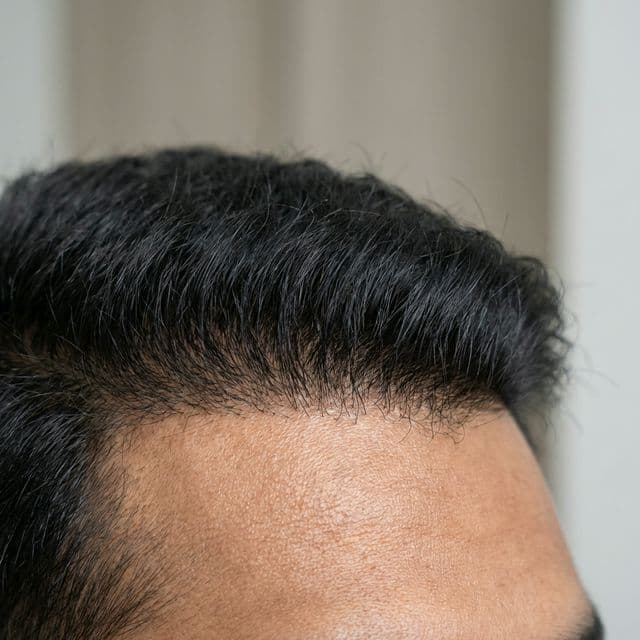
A hair transplant is a minor surgical procedure, but it still creates many small healing sites. In FUE, individual grafts are removed from the donor area and placed into tiny openings in the recipient area. In FUT, a strip is removed from the donor scalp and the wound is closed, while the strip is divided into grafts for placement. Both methods need careful early aftercare.
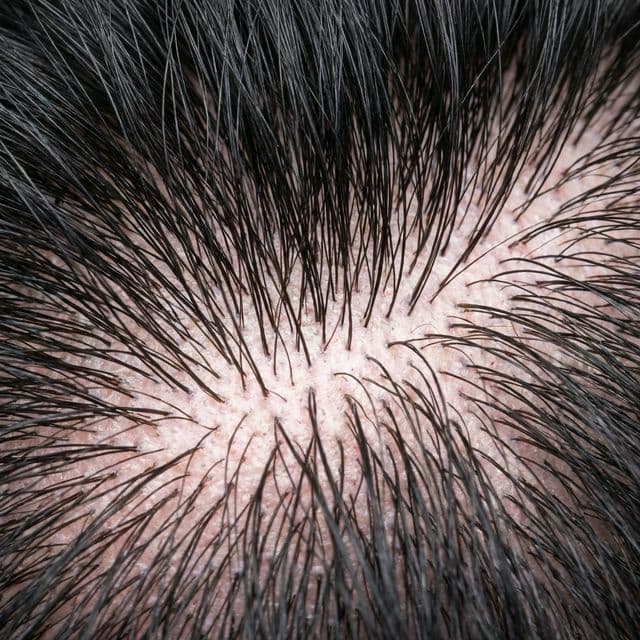
In the first few days, the grafts and the small scalp openings are vulnerable to friction. Bending forward, sudden movement or pressure against a pillow or another person's body may irritate the recipient area. Sweat can make the scalp uncomfortable and may increase rubbing when the skin is already tender. A rise in blood flow can also make minor bleeding or throbbing more likely in some patients.
This does not mean that sex always causes graft loss. It means that sexual activity can involve several of the same physical factors that doctors ask patients to avoid during early recovery. The sensible approach is to protect the scalp while the grafts become more secure and the wounds begin to close.
When can you have sex after FUE?
Many clinics advise waiting about 7 to 10 days after FUE, but the safe date is individual. The NHS says patients need to be very careful with transplanted hair for the first two weeks because the grafts are not yet secure. The ASPS recovery guidance reports that some surgeons advise avoiding sex for at least 10 days and avoiding vigorous exercise for longer.
At the end of the first week, some people have less swelling and discomfort, while others still have scabs, tenderness or oozing. If the recipient area is still sore, red, bleeding or heavily crusted, do not use the calendar alone to decide. Wait and ask your clinic.
If your surgeon permits sexual activity after the first week, keep the first few occasions gentle. Avoid positions that press the scalp into a pillow or another person's body. Keep your head from rubbing against surfaces, and stop if you feel throbbing, fresh bleeding or increasing pain.
When can you have sex after FUT?
FUT may need a more careful recovery plan because the donor area has a linear wound that is closed with stitches or staples. The time before sex may be similar to FUE for some patients, but the donor wound, tightness and pain can make movement less comfortable. If you have stitches, ask when they will be reviewed and whether any movement or position should be avoided until that visit.
Do not assume that a smaller visible recipient area means you are ready. The donor wound also needs to heal. Pulling the scalp, stretching the neck or lying on the back of the head may cause discomfort or put strain on the closure. Your surgeon may advise waiting beyond 10 days if the wound is slow to heal or if there was a large strip harvest.
A practical recovery timeline
The first 48 hours
Treat the scalp as fragile. Rest, keep the head as your clinic advised, and avoid sex, exercise and any activity that causes sweating or pressure on the grafts. Do not touch, scratch or rub the recipient area unless you have been given specific washing instructions. Mild tightness, swelling and small crusts can occur, but fresh bleeding needs attention if it does not settle with the advice given by your clinic.
Days 3 to 7
Many people can walk gently and do light daily tasks, but this is still an early healing period. Avoid sexual activity if you have swelling, pain, bleeding, significant crusting or discomfort when changing position. Do not use a cap, helmet or hair product unless your surgeon has cleared it. The NHS advises careful graft protection during the first two weeks.
Around days 7 to 14
Some patients may be cleared for gentle sex in this period. The decision should be based on the scalp, not only on the number of days. The grafts should be settled, there should be no active bleeding, and the donor and recipient areas should be healing without signs of infection. Keep the first activity brief and avoid heat, vigorous movement and pressure on the scalp.
After two weeks
Many patients can gradually return to more normal activity, but restrictions can continue if there are scabs, a donor wound, infection, unusual swelling or other concerns. Vigorous exercise and contact activities may still need to wait longer. ASPS notes that strenuous activity may be restricted for at least three weeks because it can increase blood flow and bleeding risk.
How to reduce risk when you restart
When your surgeon has cleared you, these simple steps can protect the healing scalp:
- Choose a position that does not press the recipient or donor area against a pillow, headboard or another person.
- Keep movement gentle enough that you do not sweat heavily or feel your scalp pulsing.
- Avoid pulling, scratching or rubbing the scalp, even if itching starts.
- Do not use oils, sprays or other products on the grafts unless your clinic has approved them.
- Follow the washing and spray instructions from your clinic after activity.
- Stop if there is fresh blood, increasing pain, sudden swelling or a feeling that the scalp has been knocked.
Do not take extra pain medicines, sedatives or blood-thinning medicines to make activity easier unless your doctor has prescribed them. Alcohol is also best avoided during the early recovery period, particularly if you are taking pain medicine or antibiotics. Alcohol can worsen dehydration and may not mix safely with prescribed medicines.
Does sex make transplanted hair fall out?
Normal sexual activity after the early restriction period does not usually make a successful transplant fail. The main concern is the early healing stage, when friction, pressure, sweating or a rise in blood flow may disturb the grafts or the wounds. A transplanted hair may also shed in the first few weeks as part of the normal hair cycle. This shedding does not automatically mean the follicle has been lost.
If a graft is pulled out during the first days, you may see a small piece of tissue or bleeding. Do not try to push it back or pick at the area. Apply only the pressure and care advised by your clinic, and send them a clear photograph if they ask for one. Do not judge the final result from early shedding or temporary redness.
What if you had sex too soon?
Do not panic. One episode does not prove that grafts have been damaged. Stop further activity, avoid touching the scalp, and check whether there is bleeding, a new area of swelling or a visible displaced graft. Contact your clinic for individual advice, especially if the procedure was recent or you had a knock to the scalp.
Seek urgent medical help for heavy bleeding that does not settle with direct pressure advised by your surgeon, trouble breathing, fainting, severe headache, rapidly increasing swelling, high fever, spreading redness or pus. These symptoms may have causes other than sexual activity, but they need prompt assessment.
Does sex affect the final hair-transplant result?
The final result is mainly affected by diagnosis, donor planning, graft handling, placement, healing and future hair loss. Sexual activity after the surgeon has cleared you is not known to change the long-term growth of healthy grafts. The important part is protecting the grafts during the first days and following the full aftercare plan.
Remember that FUE and FUT recovery are not identical. The recipient area may look better before the donor area feels normal, especially after FUT. A patient with diabetes, a bleeding disorder, active scalp disease or medicines that affect clotting may need a more individual plan. Tell your surgeon about all medicines, supplements, smoking and alcohol use before surgery.
Common questions
Can I have sex three days after a hair transplant?
It is usually safer to wait. Three days is still within the early period when grafts and small wounds need protection. Ask your surgeon before resuming, even if you feel well.
Can masturbation damage hair-transplant grafts?
The same general precautions apply. The concern is increased activity, sweating, blood flow and accidental pressure on the scalp, not the act itself. Wait for the period advised by your surgeon and keep the scalp protected when you restart.
Can I kiss my partner after a hair transplant?
Gentle contact that does not press, rub or knock the scalp is usually a different concern from vigorous activity. Still, avoid bending forward for long periods and follow the head-position advice from your clinic.
Can sex cause bleeding after a hair transplant?
It can make bleeding more likely during early healing because activity can raise blood flow and blood pressure. Fresh bleeding, especially if it continues, should be reported to your clinic.
When can I return to the gym and sex together?
Do not treat them as one clearance. Sex may be allowed before heavy gym work, or both may need to wait longer depending on your healing. ASPS reports that vigorous exercise and contact sports may be restricted for at least three weeks. Follow the longer or more specific instruction from your surgeon.
Final takeaway
Wait at least 7 to 10 days unless your surgeon gives different advice, and wait longer if you still have pain, swelling, bleeding, heavy scabs or an unhealed donor wound. When you restart, keep activity gentle and protect the scalp from heat, sweat, rubbing and pressure. A dedicated review is needed if you have bleeding, spreading redness, pus, fever, severe pain or sudden swelling.
For patients in Hyderabad, the safest plan is a clear written recovery schedule from the doctor who performed the procedure. If you are still deciding whether a transplant is suitable, read about the hair-transplant procedure and planning process and arrange an in-person assessment rather than relying on a fixed internet timeline.