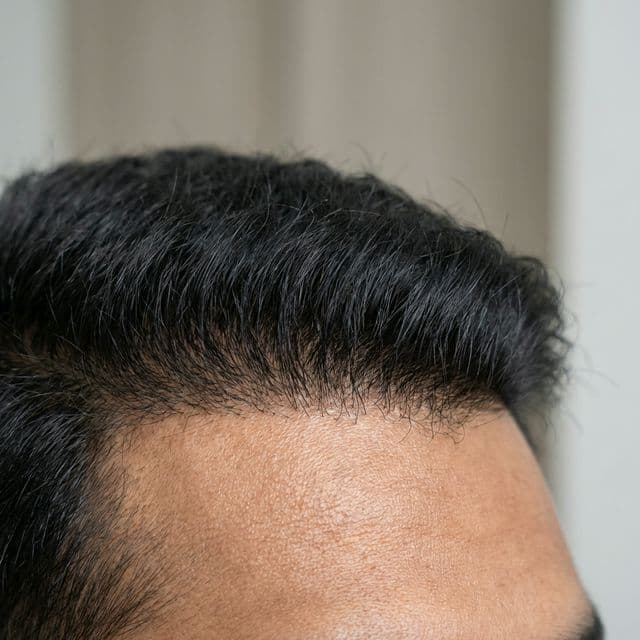
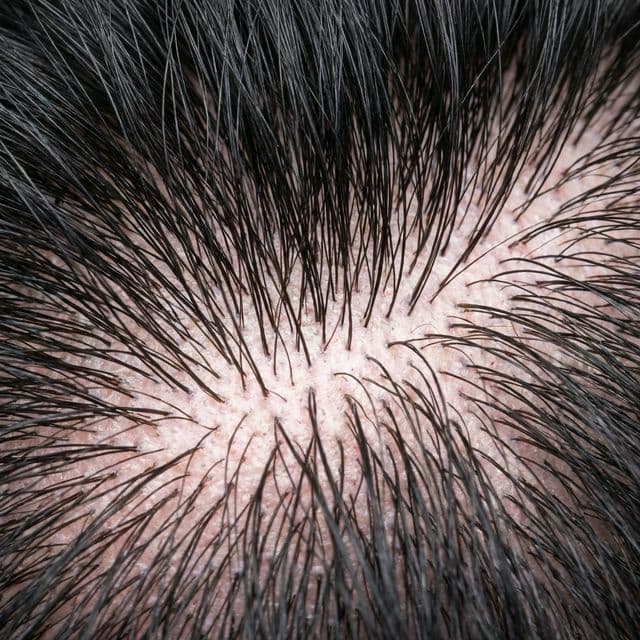
A hair transplant is usually planned only when the scalp is healthy enough for the procedure. If you have an active scalp infection, pus-filled bumps, spreading redness, painful swelling, open sores or a scalp condition that is actively damaging follicles, the safer plan may be to treat and settle the problem first. A transplant makes many small openings in the skin. Operating through inflamed or infected skin can make assessment, healing and graft survival harder.
This does not mean every flake or itchy day rules out treatment. Mild dandruff is different from an infection. The difference cannot always be judged from a photograph or a short online description. A clinician needs to examine the scalp, ask about the pattern of hair loss and decide whether the skin is quiet enough for surgery. If you are considering treatment, the hair transplant service information can help you prepare for an assessment, but it cannot clear you for surgery.
What does “scalp infection” mean?
People use this phrase for several different problems. Folliculitis means inflammation around hair follicles. It may be linked to bacteria, yeast, irritation, blocked follicles, ingrown hairs or another skin condition. Some people notice small red bumps, white-headed spots, crusting, soreness or itching. A deeper skin infection can cause warmth, pain, swelling and spreading redness. Fungal scalp infections may cause scaling and patchy hair loss. These problems need different treatment, so a doctor should identify the cause rather than choosing an antibiotic or cream by guesswork.
The NHS lists folliculitis as an infected hair-follicle condition and describes increasing redness, warmth, swelling, oozing, crusting, pain and sometimes fever as signs of bacterial skin infection. These signs do not prove that a transplant must never be done. They do mean the scalp needs medical review before an elective procedure. NHS information on infected skin conditions.
Can an active infection delay a hair transplant?
Often, yes. A hair transplant is elective. There is usually time to find out what is causing the scalp change, treat it and review the skin again. The exact decision belongs to the treating surgeon and, when needed, a dermatologist. The important question is not simply whether you have ever had dandruff or a scalp infection. It is whether the condition is active, where it is located, whether the donor and recipient areas are affected, and whether the skin and follicles are likely to heal well.
The International Society of Hair Restoration Surgery describes hair transplantation as surgery that involves small incisions or extraction sites. It also notes that infection in the donor or recipient area is uncommon but possible. This is why a proper examination and a clean surgical plan matter. ISHRS guide to hair transplant surgery.
A delay is not a failure. It may be the correct way to protect the scalp and avoid treating a hair-loss diagnosis that has not been confirmed. If a clinic tells you to hide a skin problem so that the session can go ahead, seek another opinion.
Which scalp changes should be checked before booking?
Tell the clinic before booking if you have any of the following:
- painful or tender bumps that are increasing in number
- pus, yellow crusts, bleeding or open sores
- a hot, swollen or spreading red area
- fever or a general feeling of being unwell
- sudden patchy hair loss, broken hairs or thick scale
- severe itching, pain or burning that is not settling
- a known diagnosis of psoriasis, eczema, seborrhoeic dermatitis or a fungal infection that is not controlled
- a history of scarring alopecia, burns, surgery or infection in the donor area
These signs do not tell you the diagnosis. They are reasons to share the information before any procedure. A scalp that looks calm in the centre may still have a problem at the hairline, crown or donor area. Bring a list of shampoos, creams, tablets and supplements you use. Mention recent antibiotics, steroids, antifungal treatment and any medicine that affects healing or immunity.
Is dandruff the same as an infection?
No. Dandruff is common and is not usually serious or contagious. It can cause flakes and itching without the signs of a bacterial infection. The NHS says a red or swollen scalp, severe itching, pain or symptoms that continue despite a trial of anti-dandruff shampoo should be assessed. Patchy hair loss with a red or silver rash may point to another condition, such as scalp ringworm or psoriasis. NHS dandruff guidance.
A person with mild, controlled dandruff may still be suitable for a hair transplant. That is a clinical decision, not a rule that applies to everyone. Do not scrub hard, scratch the scalp or use several strong products at the same time in an attempt to make the scalp look clear before an appointment. Irritation from a new product can make the examination more difficult.
If your scalp is flaring, ask whether the appointment should be used for assessment and treatment planning rather than for surgery. A short delay may give you a clearer diagnosis and a safer starting point.
What happens if folliculitis is found after a transplant?
Small spots after a transplant can have more than one cause. The International Society of Hair Restoration Surgery describes folliculitis after hair restoration as inflammation that may relate to infection, a foreign-body reaction, an ingrown hair, blocked products or the way a graft was placed. A small pimple is not automatically a serious infection, but squeezing it can damage healing skin and spread bacteria. ISHRS discussion of folliculitis after hair restoration.
A published clinical study of 102 patients found that folliculitis could occur from a few days to months after hair restoration. The authors reported that pre-existing acne of the scalp, face or neck was more common in the group that developed recipient-site folliculitis. This was one retrospective study from one centre, so it does not predict what will happen to every patient. It does support telling the surgeon about current acne, boils or recurrent follicle inflammation before treatment. Study of folliculitis after hair restoration surgery.
Contact your surgical team if new bumps are painful, spreading, filled with pus, associated with fever or followed by increasing redness. Use only the washing, spray or medicine plan given to you. Do not start leftover antibiotics, steroid creams or home mixtures without advice.
What about psoriasis, eczema or seborrhoeic dermatitis?
An inflammatory skin condition is not the same as a bacterial infection. But active inflammation can still affect the decision. The surgeon needs to know whether the condition is controlled, whether it affects the donor or recipient area, and whether scratching or thick scale has damaged the skin. The plan may involve treatment first, a dermatology review or a different approach to timing.
Scarring alopecia needs special care. In these disorders, the disease can destroy follicles and scalp tissue. The ISHRS states that surgery is not indicated while a scarring alopecia is active because the same process may affect transplanted hair. Some patients may be considered after the disease has become inactive, but that requires specialist assessment and realistic planning. ISHRS guidance on hair restoration in a scarred scalp.
Do not assume that a transplant can correct hair loss simply because the scalp has no pus or pain. The cause of hair loss, scalp activity, donor supply and long-term pattern all matter.
How should you prepare for a scalp assessment?
Take clear information to the appointment rather than trying to present a perfect-looking scalp. Tell the clinician when the change started, whether it comes and goes, and whether it causes pain, itching, crusting or discharge. Mention recent hair dye, oils, gels, helmets, tight headwear, swimming, gym sweating and any new shampoo. These details may help separate irritation from folliculitis or another skin condition.
Do not stop a prescribed treatment on your own. Ask whether you should wash your hair on the day, continue a medicated shampoo or avoid a product before the examination. If you have already taken antibiotics or used a cream, tell the doctor the name, dose and dates if you know them.
A proper hair transplant assessment should also cover the cause of hair loss, the donor area, the likely pattern over time, the method proposed and who will perform the surgical steps. ASPS advises patients to follow individual instructions about medicines, smoking, eating, drinking and other preparation points. ASPS hair transplant preparation guidance.
When is urgent medical help needed?
Seek prompt medical care for a scalp that is rapidly becoming red, hot, swollen or painful; swelling that is spreading towards the face or eye; pus with fever; severe pain; confusion; fainting; or difficulty breathing. A skin infection can spread if it is not treated. The NHS advises urgent assessment for painful, hot and swollen skin because cellulitis can become serious when treatment is delayed. NHS cellulitis guidance.
After a transplant, urgent contact with the treating team is also sensible if bleeding does not settle with the instructions given, if the scalp becomes increasingly painful, or if you feel unwell. If you have new eye swelling, vision changes or severe headache, do not wait for a routine cosmetic follow-up.
Questions to ask before the procedure
- Is my scalp condition active, controlled or still uncertain?
- Do I need a dermatologist or another doctor to review it first?
- Should the procedure be delayed, and what would count as enough healing?
- Which areas need treatment: donor, recipient or both?
- Could my scalp condition explain the hair loss or affect graft survival?
- Who will make the incisions and place the grafts?
- What symptoms should make me call the clinic after treatment?
Clear answers are more useful than a promise that a transplant is risk-free. If the cause of the scalp problem is not clear, diagnosis comes before a cosmetic decision.
Frequently asked questions
Can I have a hair transplant if I have mild dandruff?
Possibly. Mild dandruff is not automatically a reason to cancel. The scalp should still be examined, especially if there is redness, pain, swelling, thick scale or hair loss in patches. Follow the clinician’s plan for control before treatment.
Can antibiotics make a hair transplant safe straight away?
Not necessarily. The cause, severity and response to treatment matter. A doctor may need to confirm that the infection has settled and that the donor and recipient areas are healthy. Do not use antibiotics without a prescription or stop them early.
Can a scalp infection cause permanent hair loss?
Some infections and inflammatory conditions can cause temporary shedding. Others can damage follicles or lead to scarring if treatment is delayed. The outcome depends on the cause and how deeply the skin and follicles are affected. A diagnosis is needed before discussing a transplant.
Can I have a transplant if I have scalp psoriasis?
Some people with controlled psoriasis may be assessed for treatment. Active plaques, scratching, open skin or disease affecting the planned areas may change the timing. Scarring forms of hair loss need specialist review because active disease can affect transplanted hair.
Is folliculitis after a hair transplant always dangerous?
No. Small inflamed spots can be minor, but they still need the surgical team’s advice. Pain, pus, spreading redness, fever or worsening swelling needs prompt review. Do not squeeze the spots or apply unapproved medicines.
Practical takeaway
Do not book a hair transplant as a way to bypass an untreated scalp problem. First find out whether the change is dandruff, folliculitis, fungal infection, eczema, psoriasis, scarring alopecia or another condition. Treat active disease, allow the scalp to settle and ask the surgeon to reassess the donor and recipient areas. If you are planning treatment in Hyderabad, use the hair transplant treatment page as a starting point, then discuss your scalp history in person. A safe plan begins with an honest examination, not with hiding a symptom.