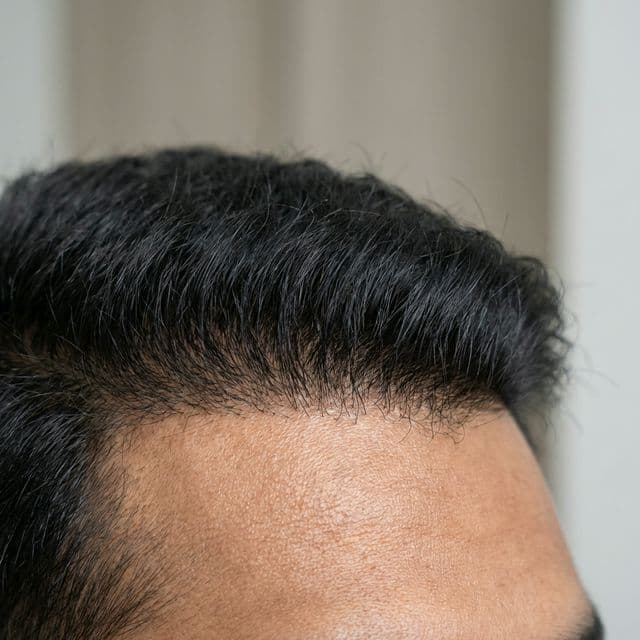
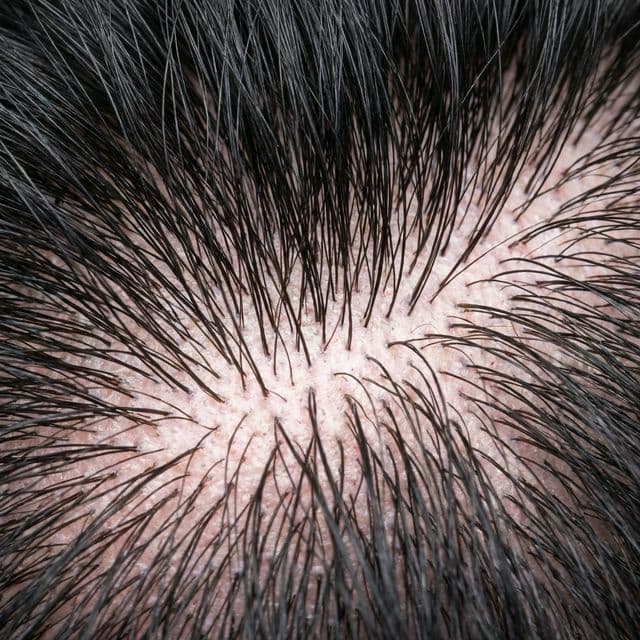
A short trip after a hair transplant may be possible for some patients, but flying on the day of surgery is not a safe plan. The first 48 hours are important because the grafts need protection from rubbing, pressure and accidental knocks. For a longer flight, travel should be planned only after the operating doctor confirms that the scalp is healing normally and tells you how to wash, protect and monitor it.
If you are considering a procedure, start with a proper appointment rather than fixing a flight first. Your graft number, FUE or FUT technique, medicines, health history and distance from the clinic all affect the plan.
Can you fly after a hair transplant?
Usually, flying is not forbidden for every patient, but the timing is individual. A hair transplant is still a surgical procedure, even when it is done as a day case under local anaesthesia. The scalp may be swollen, tender or crusted, and the grafts are not secure in the early period. The NHS advises patients to be very careful with transplanted hair for the first two weeks and notes that grafts are not secure at the start of recovery.
The most useful answer is this: do not plan a flight on the day of surgery; avoid unnecessary travel during the first 48 hours; and ask the surgeon for written clearance before any flight, especially if it is long, international or takes you away from follow-up care. A short trip after an uncomplicated review may be reasonable for one person but not for another.
Why the first few days matter
Grafts need protection
During the first days, the recipient area can have tiny openings, moisture, crusting and mild bleeding. A seat headrest, tight cap, rough pillow, luggage movement or an accidental touch can irritate the area. The problem is not cabin pressure itself. The concern is contact, friction, poor wound care and being away from the team that performed the procedure.
The International Society of Hair Restoration Surgery describes the first postoperative period as one in which friction over the graft region should be avoided. It also stresses the value of clear instructions and follow-up wound care. This is why your own clinic’s advice matters more than a general internet timetable.
Swelling and discomfort may still be present
A tight or achy scalp, swelling and small crusts can occur after a transplant. Some people also have swelling around the forehead or eyelids. Sitting in an airport, carrying a bag and managing a long journey may be tiring when you are still taking prescribed medicines or sleeping with the head raised.
Follow-up is part of safe recovery
The first review may be used to check the recipient area, donor area, swelling, bleeding and the washing plan. If you travel too soon, you may miss that review or find it difficult to return if a concern appears. Before leaving Hyderabad, ask how you will contact the clinic, where to seek help at your destination and what photographs or symptoms should be reported.
A practical travel timeline
There is no universal number of days that guarantees safe flying. The following framework helps with planning, but it does not replace the operating doctor’s clearance.
- Day of surgery: Avoid flying. You may still be affected by local anaesthetic, sedation, tiredness, swelling or prescribed medicines. Arrange a responsible adult to take you home if your clinic advises it.
- First 48 hours: Keep this period quiet if possible. Protect the grafts from rubbing, pressure, heat, dust and accidental contact. Follow the exact spray, sleeping and washing instructions given by the clinic.
- Days 3 to 7: Some patients may be able to take a short trip after a normal review, but this depends on the technique, wound condition, symptoms and travel length. Do not assume that feeling well means the grafts are ready for all travel conditions.
- After the first week: Travel may be easier for many people, but crusts, swelling and sensitivity can continue. A longer flight still needs planning for movement, hydration, medicines and access to help.
- Around two weeks: The grafts are usually more settled than in the first days, but your surgeon may still limit rubbing, tight headwear, exercise, sun and other activities. Follow the clinic’s instructions rather than using the calendar alone.
Does flying damage hair-transplant grafts?
A flight does not automatically damage grafts. The more important risks are early friction, pressure, scratching, sweating, poor hygiene, accidental knocks and delayed treatment if a problem develops. The aircraft cabin is dry, so the scalp may feel uncomfortable, but do not apply extra products unless your doctor has approved them.
Avoid touching or adjusting the grafts during the journey. If a loose cap is allowed by your surgeon, it should not press on the recipient area. Do not wear a tight helmet, tight turban or close-fitting hat over fresh grafts unless the clinic specifically tells you it is safe. Security staff should be told calmly that you have had a recent scalp procedure if they need to inspect your headwear.
What changes if you had FUE or FUT?
FUE removes individual follicular units and leaves many small healing points in the donor area. FUT removes a strip of scalp and closes the donor area with a linear wound, often with stitches. These are different wounds, but neither technique creates a universal “safe-to-fly” date. FUT may need extra attention to the donor incision and stitches, while FUE still needs protection from rubbing and contamination.
The size of the session also matters. A larger session may cause more swelling, more fatigue and a wider area that needs care. Your doctor may also change advice if you have high blood pressure, diabetes, a bleeding tendency, a history of clots, active scalp inflammation or medicines that affect healing.
How to plan a flight after a hair transplant
Before booking
- Ask the surgeon for a travel window based on your technique, session size, health and planned route.
- Keep the first review before the flight when possible. Do not schedule travel so tightly that there is no room for a delayed review.
- Ask which medicines and sprays must travel in your cabin baggage and whether any medicine can cause drowsiness.
- Plan transport that does not require a motorcycle helmet, crowded public transport or lifting heavy bags soon after surgery.
- If travelling from Hyderabad to another city, identify a nearby hospital and keep the clinic’s phone number with you.
At the airport and on the plane
- Use a clean, loose head covering only if your surgeon permits it. Do not let fabric rub the grafts.
- Keep medicines, water and the clinic’s written instructions in your cabin bag.
- Do not place the scalp against a rough headrest or press the recipient area into the seat.
- Walk gently when safe and move your ankles during a long journey. Ask your doctor whether you need any special clot-prevention advice.
- Drink water, but do not overdo caffeine or alcohol. Alcohol can interact with medicines and may worsen dehydration or poor judgement.
- Do not scratch crusts, wipe the scalp roughly or wash in an airport toilet unless your clinic has told you exactly how to do it.
After reaching your destination
Rest, keep the sleeping position advised by your clinic and continue the prescribed spray or washing plan. Avoid swimming, intense exercise, sun exposure and dusty outdoor activity until your surgeon allows them. If you are visiting Hyderabad for surgery and returning home, arrange a review before departure when possible and keep a clear route back to the clinic if it is needed.
For a fuller day-by-day routine, see the , but follow your own surgeon’s instructions if they differ.
When should you delay travel?
Delay the journey and contact the clinic if you have worsening rather than improving pain, active bleeding, rapidly increasing swelling, fever, spreading redness, pus, foul-smelling discharge, severe headache, dizziness or a reaction to medicine. A small amount of crusting or mild tenderness can be normal, but a sudden change deserves advice.
Seek urgent medical help for chest pain, difficulty breathing, fainting, one-sided leg swelling or severe calf pain. These symptoms are not normal hair-transplant recovery symptoms and may signal a serious problem. Do not try to complete a flight first.
Can you travel by car or train instead?
A short car journey may be easier than a flight because it allows you to stop, keep your head in a comfortable position and reach the clinic more easily. It still carries risks if the journey is long, dusty or crowded. A train can also involve luggage, heat, contact with other people and less control over your sleeping or washing routine. The safer option depends on the route and your recovery, not only on the mode of transport.
Frequently asked questions
Can I fly two days after a hair transplant?
Some patients may be cleared for a short trip after two days, but it is not a safe universal rule. The grafts are still vulnerable, swelling may be present and you may not have had the first review. Ask the operating clinic to examine you or confirm the plan before travelling.
Can I wear a cap on a flight after a hair transplant?
Only if your surgeon says the cap is safe for your stage of healing. It should be clean, loose and free from pressure on the grafts. Do not use a tight cap, helmet or head covering to hide the recovery unless your clinic has approved it.
Is air pressure harmful after a hair transplant?
Cabin pressure is not usually the main concern. Protection of the grafts, scalp wound care, swelling, sitting for long periods and access to follow-up are more important. Any patient-specific issue, such as a bleeding problem or medical condition, can change the advice.
Can I travel abroad for a hair transplant and fly home soon after?
This needs extra planning. A short clinic visit may leave little time for a review, and complications may be harder to manage after you leave. Before booking, confirm who will provide follow-up, what happens if you need treatment, how you will obtain medicines and whether the surgeon is properly trained and licensed.
When can I return to normal travel and exercise?
Light daily activity often returns before vigorous exercise, but travel comfort and exercise safety are different questions. The NHS notes that patients may need one to two weeks off work and may be told to reduce exercise for about a month. The ASPS advises avoiding strenuous exercise and contact sports for at least three weeks in many cases. Your surgeon may give a different plan based on the operation and healing.
Practical takeaway
If you need to fly after a hair transplant, plan the procedure around the journey. Avoid the day of surgery, keep the first 48 hours quiet, protect the grafts from contact and arrange a proper review before a longer trip. Carry your medicines and instructions, keep the journey simple and know the warning signs. A consultation with a qualified hair-restoration doctor is the safest way to decide whether your timing is suitable.