Quick Answer
A hair transplant can sometimes make nearby existing hair shed temporarily. This is called shock loss. It does not usually mean that the hair follicles have been permanently destroyed. However, native hair can be vulnerable when it is already very thin, when the recipient area is packed too densely, or when the underlying hair loss is still progressing. In those situations, some lost native hair may not return fully.
The practical answer is that a well-planned transplant should protect the hair you already have as far as possible. The plan should assess the diagnosis, scalp health, pattern of loss, donor supply and future thinning before grafts are placed. A transplant moves selected follicles. It does not stop male or female pattern hair loss in the untreated areas.
What “existing hair” means in a transplant
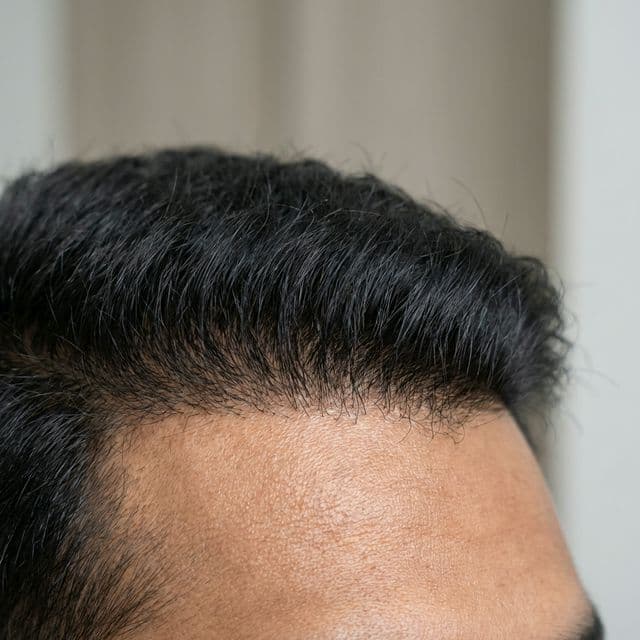
Existing hair usually means native hair that was already growing in the area being treated. It may be thick terminal hair, fine miniaturised hair, or hair that is in an early stage of thinning. The transplanted grafts are different: they are follicles moved from a donor area, usually the back or sides of the scalp, to a thinning or bald area.
A recipient area may therefore contain both transplanted grafts and native hairs. The goal is not simply to fill empty skin. It is to add density while respecting the blood supply, spacing and direction of the hair that is already there.
This is why a person with a shiny bald area may have a different plan from someone with diffuse thinning. Placing grafts between many fragile hairs demands more careful spacing and a realistic discussion about whether medical treatment should be started or continued first. The hair-transplant service page explains the broader planning process, but the decision about native-hair protection still needs an individual scalp examination.
Can the transplant itself cause existing hair to fall?
Yes, temporary shedding can happen after a transplant. The local inflammation, small recipient sites, handling of the scalp and physical stress of the procedure may push some nearby hairs into a resting phase. The hairs then shed after a delay instead of falling on the day of surgery. This is the phenomenon commonly called shock loss or post-operative telogen shedding.
The International Society of Hair Restoration Surgery describes shock hair loss as temporary shedding of native, non-transplanted hair in or around the recipient area. It may also affect the donor area. The risk is more concerning where hairs are already miniaturised or where hair loss has not been stabilised.
Temporary shedding is different from permanent follicle injury. A shed hair can grow again if its follicle remains healthy. But a person cannot confirm the difference by looking at the hair on a pillow. The timing, scalp examination and longer follow-up matter.
Why the risk is higher in very thin hair
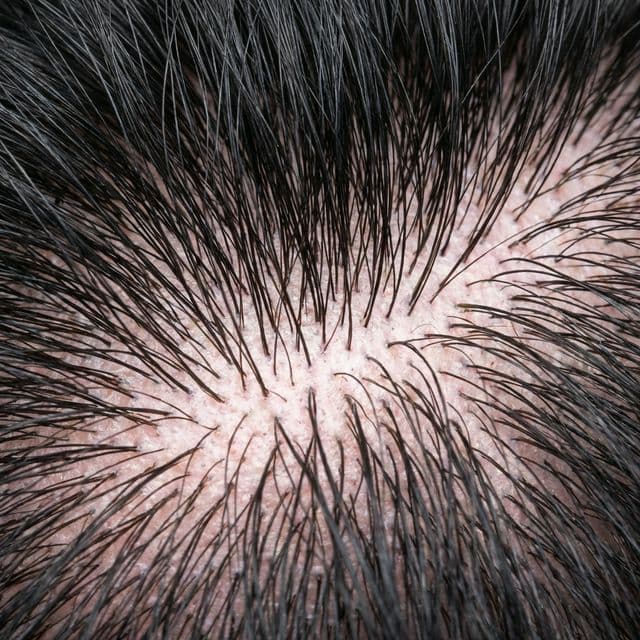
Miniaturised hair has a smaller shaft and a follicle that is already affected by the pattern-hair-loss process. It has less reserve than a strong, thick hair. Surgical trauma around it may be followed by temporary shedding, and the follicle may have less ability to recover if the original disease continues.
Risk is also affected by the design of the recipient sites. Larger or deeper sites, dense packing, repeated passes through the same area and rough handling can increase tissue stress. The exact risk cannot be predicted from the graft number alone. Two patients with the same number of grafts may have different risk because their native density, hair calibre and scalp condition are different.
This does not mean that grafts should never be placed between existing hair. Many patients need that approach. It means the surgeon should decide where grafts can be placed safely, how many are reasonable, and whether a staged plan is wiser than trying to add maximum density in one sitting.
Temporary shock loss versus permanent loss
The word “shock loss” is used for more than one situation, so patients should ask what their doctor means.
- Temporary shock loss is shedding after the procedure, followed by recovery as the follicle returns to its growth cycle.
- Permanent loss may occur when a vulnerable miniaturised follicle is no longer able to recover, when there is significant injury, or when the original pattern hair loss continues.
- Transplanted hairs also commonly shed their visible hair shafts in the early weeks. That is a normal part of the transplant cycle and does not mean the graft has failed.
The NHS notes that transplanted hair often falls out after a few weeks and that new hair usually starts to appear after about four months, with the full result taking much longer. This early shedding should not be confused with damage to native hair.
If the native hair was already slowly thinning, a patient may also notice more loss months later even if the surgery itself was uncomplicated. This is one reason a good long-term plan includes the untreated hair, not only the hairline or crown being filled on the day.
What can reduce the chance of damage?
No method can guarantee that existing hair will not shed. But several planning choices can reduce avoidable stress and make the result more durable.
Confirm the cause of hair loss first
Pattern hair loss is not the only cause of thinning. Sudden shedding, patchy loss, scalp inflammation, scaling, pain, scarring, or loss of eyebrow hair may need a dermatology assessment before a transplant. A transplant is not a substitute for diagnosing an active scalp disorder.
The surgeon may ask about the pattern and speed of loss, family history, medicines, recent illness, nutrition, stress, smoking and previous treatments. In some cases, blood tests or a scalp examination with magnification are useful. If the diagnosis is uncertain, proceeding quickly can make planning less safe.
Stabilise progressive thinning when advised
A transplant redistributes follicles; it does not cure the tendency to lose native hair. Depending on the diagnosis and the patient’s health, a dermatologist may discuss medicines such as minoxidil or other prescription options. These need medical advice because suitability, side effects, pregnancy considerations and monitoring differ from person to person.
Do not start or stop a hair-loss medicine around surgery without asking the treating doctor. The aim is to protect existing hair over time, not to promise that every hair will remain unchanged.
Plan the grafts around the native hairs
The surgeon should record the hairline, density, hair calibre, miniaturisation and likely future pattern. In a thinning zone, the spacing and direction of recipient sites should be planned around the native follicles. A conservative first session or staged treatment may protect donor capacity and reduce unnecessary trauma.
A high graft count is not automatically a better plan. The donor area is limited, and overharvesting can make the back or sides look thin. The recipient area also has limits related to blood supply, skin condition and the density that can be supported naturally.
Follow the aftercare instructions
For the first days, the grafts are not secure. Follow the clinic’s instructions for washing, sleeping, touching the scalp, sun exposure, exercise and medicines. Do not scratch or pick scabs. Avoid applying unapproved oils, colour products or home remedies to a healing scalp.
Aftercare cannot prevent every episode of shock loss, but it can reduce the chance of extra irritation, infection or physical trauma. If instructions differ between clinics, ask the operating surgeon which advice applies to your procedure.
Is shock loss more common with FUE or FUT?
Both FUE and FUT can be followed by shock loss. The technique alone does not decide the risk. FUT removes a strip from the donor area and leaves a linear scar. FUE removes individual follicular units and leaves many small extraction marks. In either technique, the recipient area still has to be prepared and grafts still have to be placed.
The more useful questions are how the surgeon will protect native hairs, how the donor area will be managed, whether the hair loss is stable, and what follow-up is provided. A technique label should not replace a discussion of the whole plan.
When should you contact the clinic?
Contact the operating clinic if shedding is accompanied by increasing redness, worsening pain, pus, fever, spreading swelling, heavy bleeding, foul smell, or a wound that is opening. Severe or unexpected symptoms need prompt review rather than online reassurance.
A review is also sensible if the treated area keeps becoming thinner, if there is no sign of recovery over the timeline given by the surgeon, or if the donor area looks markedly overharvested. Take clear photographs in the same light and follow the clinic’s review schedule. A clinician may need to distinguish normal shedding, ongoing pattern hair loss, infection, inflammation or poor graft growth.
Questions to ask before booking
Before agreeing to a transplant, ask:
- Which diagnosis explains my hair loss, and has it been confirmed?
- How much of the thinning hair is miniaturised and at risk of further loss?
- Could graft placement between my existing hairs cause shock loss in my case?
- What is the long-term plan if my native hair continues to thin?
- How many grafts can my donor area safely support, including future needs?
- Who will examine the scalp, design the hairline and perform the key surgical steps?
- What symptoms should make me contact the clinic urgently?
A responsible consultation should answer these questions in plain language. Be cautious if you are promised perfect density, guaranteed survival, no risk of shedding, or a fixed graft number without a proper examination.
FAQs
Will my existing hair grow back after a transplant?
Often, hair that sheds as temporary shock loss can grow back. Recovery varies with follicle health and the cause of hair loss. Native hair that was already severely miniaturised may not recover fully, and continuing pattern hair loss can create new thinning. Your surgeon or dermatologist should assess the trend over time.
Can a hair transplant make my hair thinner?
It can make the area look temporarily thinner if native hairs shed after surgery. It can also expose underlying thinning if the original hair-loss process continues. Permanent worsening is not the expected result of careful surgery, but it is a possible risk that should be discussed, especially when placing grafts into a thin, unstable area.
Does transplanted hair protect the hair around it?
No. Transplanted follicles may be more resistant to the pattern of loss that affected the donor area, but they do not protect nearby native follicles from their own hair-loss process. The native and transplanted hairs need to be considered separately in the long-term plan.
Should I wait before having a hair transplant?
You may need to wait if the diagnosis is unclear, the loss is changing quickly, the scalp is inflamed, or the donor supply is not adequate for a lasting plan. Waiting can allow the pattern to become clearer and gives time to treat an active condition. The right timing is a clinical decision, not an age number alone.
Final Takeaway
A hair transplant can be followed by temporary loss of existing hair, but this is not the same as automatically damaging the follicles. The risk is more important when native hairs are already weak, the loss is not stable, or the recipient plan is too aggressive. Safe planning starts with diagnosis, scalp assessment, realistic density goals and protection of the donor area.
If you are considering treatment in Hyderabad, use a consultation to ask how your native hair will be protected and what the plan is for future thinning. You can review the hair-transplant treatment options and then arrange an assessment if the plan is suitable for you.