Quick answer
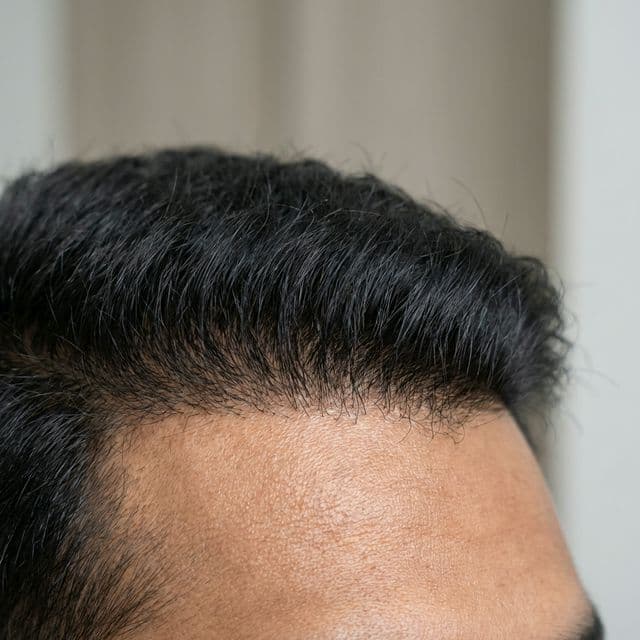
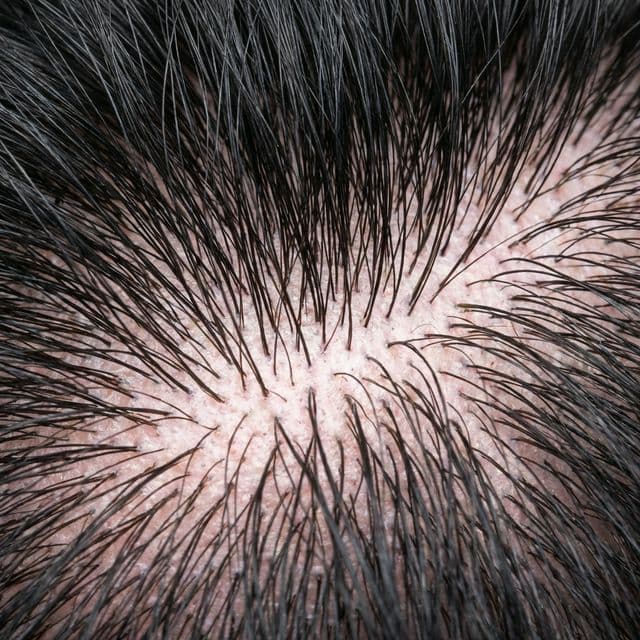
Yes. A hair transplant can cause temporary “shock loss”, also called post-operative shedding or telogen effluvium. It can affect hair that was already growing near the transplanted area, and sometimes hair in the donor area. It may look like the transplant has failed, but the visible hair shaft falling does not always mean that the follicle has been permanently lost.
The important point is that not every episode of shedding after a transplant is shock loss. Transplanted hairs commonly shed during the first few weeks before new growth begins. Shock loss refers mainly to temporary shedding of nearby existing hair after the scalp has been disturbed. A review is needed if hair loss is severe, continues to worsen, or occurs with increasing pain, marked redness, pus or fever.
If you are planning surgery in Hyderabad, discuss your existing hair density, pattern of loss and donor supply during a proper hair transplant consultation. These factors affect both the risk of temporary thinning and the long-term plan.
What does “shock loss” mean?
Shock loss is a temporary shedding response that may happen after hair-restoration surgery. The operation creates small wounds and causes inflammation in the scalp. Some follicles that were already producing hair may shift into a resting phase. The hair shaft can then fall out earlier than expected.
This is not the same as cutting the hair or pulling out a graft. The follicle may remain in the skin and can restart its growth cycle. However, a person cannot confirm this by looking in a mirror. A surgeon or dermatologist may need to examine the scalp, review photographs and look for other causes of hair loss.
Shock loss is more concerning when it affects miniaturised native hair. Miniaturised hair is already weak because of pattern hair loss. It may be less able to tolerate the swelling and inflammation of surgery. In some patients it grows back. In others, the underlying pattern hair loss continues and the lost native hair may not return fully.
How is shock loss different from normal transplant shedding?
The terms are often mixed together, but they describe different parts of recovery.
Shedding of transplanted hair
The hair shafts attached to newly placed grafts often shed a few weeks after surgery. The follicle remains under the skin. New growth may start after about three to four months, with further improvement over many months. The NHS notes that transplanted hair often falls out after a few weeks and later starts growing again; it also notes that the full result may take 10 to 18 months.
This process is expected in many patients. It does not by itself show that the grafts have failed.
Shock loss of native hair
Shock loss affects hair that was already present around the recipient area or, less often, around the donor area. The thinning may be noticed after the first few weeks or during the early months. It can make the scalp look worse before it looks better.
The shed hair may return as the follicles recover. But if the underlying hair-loss condition is still active, some native hair may continue to thin even after the shock-loss episode settles.
Hair loss caused by another problem
Persistent loss may also come from infection, poor wound healing, traction, a reaction to medicine, nutritional or hormonal problems, alopecia areata, or continued pattern hair loss. These problems need separate assessment. It is unsafe to assume that every change after surgery is normal shedding.
When does shock loss happen?
There is no single day for all patients. Many people notice shedding between a few weeks and a few months after surgery. Timing can vary according to the person’s hair cycle, the areas treated, the amount of native hair present and the surgical technique.
A rough recovery pattern looks like this:
- In the first days, swelling, tightness, small scabs and mild soreness can be part of normal healing.
- During the first few weeks, transplanted hair shafts may shed. The scalp can look uneven or temporarily thin.
- Over the next one to three months, some nearby native hair may shed as a delayed response to the procedure.
- From around three to four months, early new growth may appear, although it can be fine and uneven at first.
- Between six and 12 months, density and hair calibre usually improve gradually. Some patients continue to mature beyond one year.
These are general ranges, not a promise for an individual patient. Your surgeon’s instructions should guide washing, exercise, medicines and follow-up.
Why can a hair transplant trigger temporary thinning?
Several factors may play a role:
Scalp inflammation
Any operation causes a local healing response. The small recipient sites and extraction sites can create temporary inflammation. This may disturb the growth cycle of nearby follicles.
Existing miniaturised hair
Hair that is already thin from androgenetic alopecia may be more vulnerable. If this hair sheds, the change can be more visible than the loss of a few robust hairs.
Surgical disturbance
The amount of scalp treated, the density of recipient-site creation and the handling of nearby hair can influence recovery. This is one reason planning should be based on examination rather than a fixed graft number.
Ongoing hair-loss disease
A transplant redistributes follicles. It does not automatically stop the process that is thinning the native hair. If the surrounding hair is continuing to miniaturise, a patient may mistake natural progression for shock loss or think that a successful transplant has failed.
Individual healing and health
Smoking, uncontrolled medical conditions, poor nutrition, scalp disease and some medicines may affect healing or hair cycling. Do not stop prescribed medicines or start supplements without medical advice.
Can shock loss become permanent?
Sometimes temporary shedding is followed by regrowth. But a permanent result is possible when the affected native follicles were already severely miniaturised or were going to be lost from pattern hair loss. The operation may reveal a process that was already underway rather than create a new form of baldness.
The transplanted donor follicles are usually selected because they are more resistant to the hormone-related process behind pattern hair loss. Even so, the result depends on proper diagnosis, donor assessment, graft handling, placement, healing and long-term management of native hair.
This is why a responsible plan should not promise that every hair will remain unchanged. It should explain what is being moved, what may continue to thin, how many grafts are available and what follow-up may be needed.
Who may have a higher risk?
Risk cannot be judged from age or a photograph alone. A doctor may look more carefully at patients who have:
- Rapidly changing hair loss or a young, unstable pattern.
- Very fine or miniaturised hair beside the planned recipient area.
- Diffuse thinning that also affects the donor zone.
- A scalp condition, recent illness or unexplained sudden shedding.
- A history of poor wound healing, smoking or medical problems that are not controlled.
- Unrealistic expectations about immediate density.
A scalp examination and, when appropriate, dermoscopy can help distinguish stable donor hair from hair that may also be at risk. If the cause of hair loss is uncertain, medical evaluation should come before surgery.
How can the risk be reduced?
No plan can remove the risk completely, but careful preparation can reduce avoidable problems.
Confirm the diagnosis first
Pattern hair loss is not the only cause of thinning. Patchy loss, scalp inflammation, sudden diffuse shedding and loss of eyebrow or body hair may point to another condition. The treatment plan should match the diagnosis.
Check donor and native hair quality
A surgeon should examine density, hair calibre, miniaturisation and the likely future pattern. This helps decide whether surgery should proceed now, whether the area should be monitored, and how grafts should be used.
Protect the first weeks of healing
Follow the clinic’s instructions for washing, sleeping, sun exposure, exercise and touching the scalp. The NHS advises careful handling of transplanted hair during the first two weeks because grafts are not yet secure. Do not pick scabs or apply unapproved products.
Discuss medical treatment separately
Medicines such as minoxidil or finasteride may be suitable for some patients, but they are not right for everyone. Their benefits, side effects and timing should be discussed with a qualified doctor. Do not assume that a transplant replaces medical treatment for native hair loss.
Keep follow-up appointments
A planned review helps compare photographs, check healing and decide whether the pattern is settling. It also avoids unnecessary early procedures when the hair is still in a normal shedding phase.
When should you contact the clinic?
Contact your surgeon promptly if you have severe or increasing pain, spreading redness, pus, fever, heavy bleeding, worsening swelling, a foul smell, or a wound that is opening. Cleveland Clinic also advises contacting the treating provider for fever that does not settle, excessive bleeding, severe redness or pain, or green or yellow discharge.
You should also ask for review if:
- Hair loss is rapidly worsening rather than slowly settling.
- The donor area becomes sharply patchy.
- There is persistent burning, marked itching or a new rash.
- You have sudden patchy bald spots away from the operated areas.
- There is no sign of healing or early regrowth at the time your surgeon expected.
Do not diagnose an infection or permanent graft failure from photographs alone. Early assessment is safer than waiting while a treatable problem progresses.
Frequently asked questions
Does shock loss mean the hair transplant has failed?
No. Temporary shedding can happen during a normal recovery and does not by itself prove graft failure. The result should be judged over months, not in the first few weeks. Persistent thinning, poor growth or warning symptoms need an examination.
Can shock loss happen after FUE and FUT?
It can happen after either technique because both disturb the scalp. The size and location of the treated area, the existing hair and the patient’s healing response matter more than the label alone. Ask your surgeon how the chosen technique may affect your donor and recipient areas.
Does transplanted hair fall out permanently?
The visible hair shaft from a transplanted graft often sheds before new growth begins. The follicle may remain alive. Permanent loss can occur if a graft does not survive or if another condition affects it, so the final result cannot be judged immediately.
Can minoxidil prevent shock loss?
There is no universal answer. Some doctors may recommend a medicine before or after surgery, while others may pause or change treatment around the procedure. The choice depends on your diagnosis, health, other medicines and the surgeon’s protocol. Use it only as advised.
Is shock loss more common in younger patients?
Age alone does not decide the risk. Younger patients may have less stable pattern hair loss, which can make planning more difficult. The important questions are whether the diagnosis is clear, whether the loss has stabilised and whether the donor supply can support a long-term plan.
How long should I wait before judging the result?
Early shedding is not the final result. New growth often begins after about three to four months, while visible density continues to improve over six to 12 months. Some patients need longer. Your surgeon should set a review schedule based on your procedure and healing.
References
- NHS: Hair transplant
- Cleveland Clinic: Hair transplant
- International Society of Hair Restoration Surgery: Patient brochure
- International Society of Hair Restoration Surgery: Practice census report
- Cleveland Clinic: Telogen effluvium
Practical takeaway
Shock loss can be upsetting, but temporary shedding is not the same as a failed transplant. The safest approach is to confirm the cause of hair loss before surgery, protect the scalp during early healing, keep follow-up appointments and judge growth over the proper timeline. If thinning is rapidly worsening or comes with pain, redness, pus or fever, contact the treating clinic promptly. For a personalised plan, start with the hair transplant service page and arrange an in-person assessment.