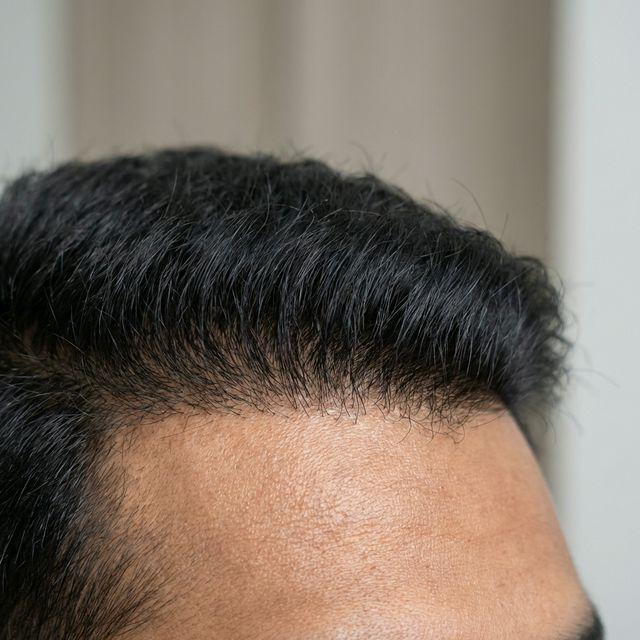
Yes. A hair transplant can move healthy follicles that grow grey or white hair. The follicle is the tiny structure in the skin that makes the hair. Grey colour alone does not rule out surgery. What matters more is the reason for the hair loss, the condition of the scalp and how much suitable hair can be moved from the back or sides of the head. International Society of Hair Restoration Surgery
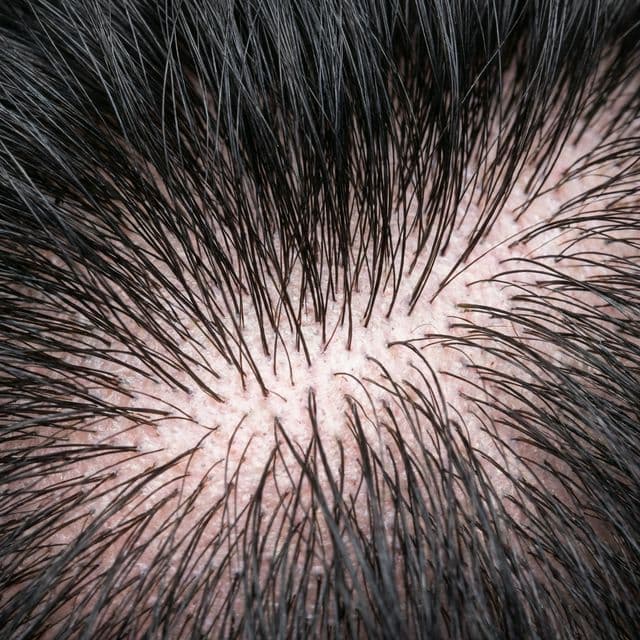
If your hair looks thinner as it turns grey, start with a scalp assessment. Some people have true thinning. In others, the scalp is easier to see because light-coloured hairs are harder to make out. Both can happen together. The distinction matters because surgery uses a limited supply of donor hair. The hair transplant service page explains the procedure and what an assessment involves.
What happens to the colour of a transplanted hair?
The surgeon moves the follicle, so the colour of the new hair generally reflects what that follicle produces. If a follicle grows white hair at the back of the head, moving it to the front does not make it grow black hair. A follicle that grows dark hair today can also produce grey hair over time. A transplant redistributes existing follicles and does not reverse the loss of pigment that comes with greying. ISHRS guidance on grey hair
This matters when the back of the head is mostly dark and the front is already salt and pepper, or when the back has gone white first. Mention it if you want to keep the salt-and-pepper look or expect to stop colouring your hair later. Ask how the areas being considered for transplant look in daylight and whether the planned use of donor hair could make a colour difference more noticeable. No one can promise an exact colour mix years ahead.
Does more scalp showing always mean more hair loss?
Light hairs can be difficult to see against some scalps or under bright light. A 2026 review from South Korea used photographs and an image demonstration to describe how white hair can change the impression of coverage. It also used clinical examples to show how hard pale follicles can be to see during surgery. The paper offers practical observations. It does not provide a test you can do from a selfie or predict how much coverage a particular number of grafts will give. Clinical paper on white hair and scalp visibility
If you have been comparing a recent photo in direct light with an older indoor photo, bring both and explain how they were taken. A clinician can examine the scalp and look for changes in the pattern, thickness and density of the hairs. The goal is to understand how much is visible because of colour or lighting and whether there is hair loss that needs treatment. A wider part or a receding hairline is worth discussing, especially if the change continues.
What should the team assess before suggesting grafts?
The reason for the thinning
Pattern hair loss and other causes of shedding require different decisions. Tell the clinician if the change began suddenly, appeared in patches or followed an illness. Mention persistent scaling, soreness or redness. A transplant is usually considered for lasting pattern hair loss and is generally unsuitable for conditions such as alopecia areata, which can cause patchy hair loss. A scalp problem needs its own assessment before you decide on a cosmetic operation. NHS overview of hair transplantation
The strength and supply of donor hair
The donor area is where follicles are taken, usually from the back or sides of the head. Hair colour can be obvious at a glance. The usable supply needs a closer look. A dense-looking patch may contain a mixture of thick and very fine hairs. Ask the surgeon what the donor area can reasonably cover, how much will be left there and what the plan would be if thinning continues around the transplant. The aim is to make a plan you can live with as the rest of your hair changes. NHS guidance on planning and results
How the team will see pale hairs
The 2026 clinical paper describes how very light hairs can be harder for the surgical team to identify during removal or placement. The author describes using hair dye in selected cases to help the team see the hairs. Follow the instructions from your own surgical team. Ask whether the team needs you to arrive with your natural roots visible or has specific instructions for colour. Mention any previous reaction to hair dye or a sore or irritated scalp before using a product. Clinical examples of planning around white hair
Questions about colour and recovery
Can the surgeon move only the dark hairs?
In selected cases, the clinical paper describes choosing pigmented follicles. Whether that makes sense depends on how many suitable dark follicles are available and the result you want. Ask what selecting by colour would do to the usable supply and how that colour might blend as nearby hair continues to grey. It may be more important to keep enough suitable donor hair for the overall coverage plan. Clinical paper on graft selection
Can I go back to dyeing my hair after surgery?
The ISHRS advises asking your surgical team when colouring can resume. Get instructions that cover both the treated area and the area where hair was taken. If you colour regularly, raise this before the operation so you can plan around a wedding, work event or regular salon visit. ISHRS advice on colouring after a transplant
When should I ask for help during recovery?
Contact your surgical team promptly if you develop severe or increasing scalp pain, spreading redness, pus, fever with scalp symptoms or another unexpected change. Report these even if you are mainly worried about how the hair looks. If the team is unavailable and symptoms are worsening, seek urgent in-person medical care. NHS advice on post-transplant problems · Clinical review of FUE complications
Takeaway
Healthy grey and white follicles can be used in a transplant when the scalp and donor supply are suitable. If you are considering a hair transplant, ask whether your concern is thinning, colour contrast or both. Discuss how the donor hair will blend with your usual colour and what coverage you can reasonably expect.