Quick answer
Yes, hair from some body areas can sometimes be transplanted to the scalp. This is called body hair transplantation, or body-hair FUE. It is usually considered only when the scalp donor area is limited, the patient has suitable body hair, or a previous transplant has left too little scalp hair for the planned repair. It is not a routine substitute for scalp hair. Body hair may differ from scalp hair in thickness, curl, length, growth cycle and response after transplantation, so the final coverage can be less predictable.
For most patients, the back and sides of the scalp remain the first donor source. A doctor should assess the scalp donor area, future hair-loss pattern, body-hair quality and the goal of treatment before suggesting this option. A hair-transplant consultation in Hyderabad should include a long-term donor plan, not only a graft-count estimate.
What is body hair transplantation?
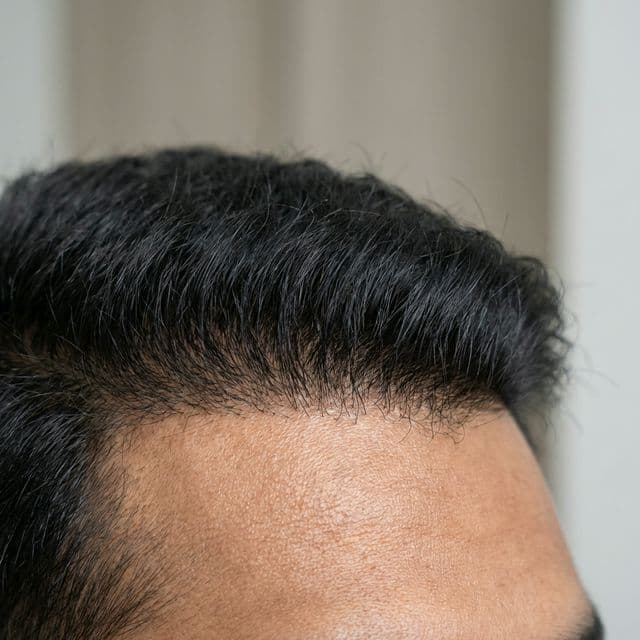
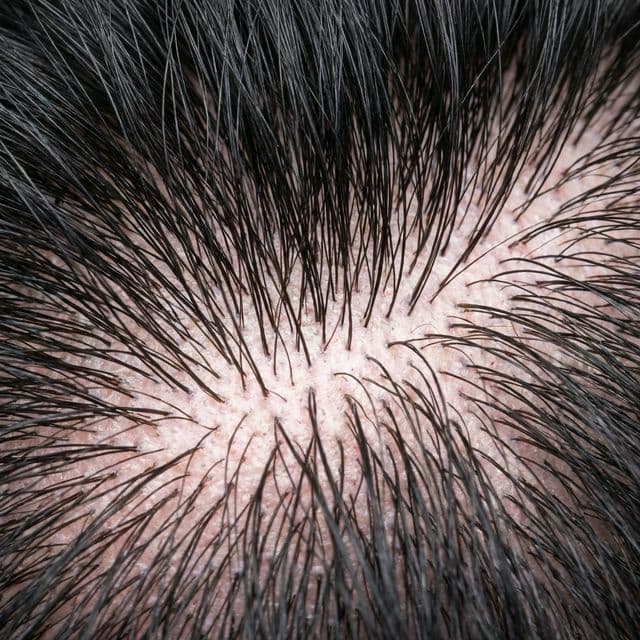
A hair transplant moves follicular units from a donor area to a bald or thinning recipient area. In a standard FUE procedure, individual follicular units are removed with a small punch and placed into prepared sites on the scalp. With body-hair FUE, the donor follicles may come from the beard, chest, back, arms, legs or another suitable area below the neck.
The name can be confusing. Body hair is not converted into scalp hair. A transplanted follicle keeps many of the features of its original donor area. For example, a beard follicle may continue to produce a thicker, coarser hair than the fine hair normally used at the front hairline. A chest or leg follicle may grow more slowly, stay shorter, or have a different growth cycle.
The International Society of Hair Restoration Surgery explains that scalp hair is generally the preferred donor source. Body hair is a specialised option for selected patients, often when scalp donor supply is not enough for the required repair or coverage.
When might body hair be considered?
Body hair may be discussed in a few situations:
- The safe scalp donor area is small and the patient has advanced hair loss.
- Previous hair-transplant surgery has used much of the available scalp donor supply.
- A repair procedure is needed after an old, poor-quality transplant, scarring or an unnatural hairline.
- The patient has a suitable beard or body-hair source and understands the limits of the result.
- A small amount of extra coverage is needed behind the hairline rather than a new, dense frontal hairline.
This does not mean that anyone with body hair is a candidate. The donor area must have enough usable follicles, and the hair must be a reasonable match for the area being covered. The doctor must also decide whether taking follicles from that area could leave visible thinning, dots, pigment changes or an uneven appearance.
A large bald area needs a realistic plan. Adding another donor area does not create an unlimited supply of grafts. If the scalp donor area is weak and the body hair is sparse or unsuitable, surgery may still give limited coverage. A good plan may involve a smaller area, a staged approach, medical treatment for ongoing hair loss, or a decision not to operate.
Which body-hair sources are used?
Beard hair
Beard hair is the most commonly discussed non-scalp source because it is often thick and can provide useful bulk. It may help add density behind an existing hairline or support repair work. However, beard hair can look too coarse for the front hairline in some patients. It is not automatically a good match just because it is plentiful.
Chest and trunk hair
Chest or trunk hair may be considered when scalp and beard supply are not enough. Its growth can be more variable. Some follicles may produce short, fine hair, while others may be longer or curlier. The surgeon needs to assess the donor area after shaving and consider how the hair behaves over time.
Arm and leg hair
Arm and leg hair may have a finer appearance and can sometimes be useful for small areas such as temple points or eyebrow work. It may not provide enough length or volume for broad scalp coverage. Hair from the legs and other areas may also have a shorter growth cycle.
Other areas
Back, abdomen and other body areas are not interchangeable. The quality and direction of hair growth can vary even within the same person. Pubic hair is not a routine choice for scalp restoration and should never be considered without a clear specialist explanation of why it is being proposed.
The key question is not simply, “How many body hairs are available?” It is, “Will this donor hair behave and look suitable in the planned recipient area?”
How does a doctor assess suitability?
A proper assessment starts with the history, examination and long-term plan. It should include:
- The pattern and speed of scalp hair loss.
- Family history and the possibility of future thinning.
- Previous hair transplants, scars, skin disease or infection.
- The density, thickness, curl, colour and growth length of body hair.
- The amount of scalp donor hair that can be safely removed.
- The size and location of the area needing coverage.
- The patient’s preference about keeping the body donor area shaved or trimmed.
The ISHRS guidance on donor harvesting stresses that planning should happen before hair is removed. This matters even more when several donor areas may be used. Removing follicles without a plan can reduce options for future surgery and can create visible overharvesting.
Some surgeons may suggest a small test procedure before a larger body-hair transplant. A test can help assess how the donor hair grows after removal, how well it survives, and whether the appearance is acceptable when mixed with scalp hair. A test cannot guarantee the final result, but it may reduce the chance of committing to a large procedure that is a poor match.
What are the main limitations?
The result may look mixed
Scalp hair and body hair can have different texture and thickness. If they are placed together, the blend may be visible, especially in the hairline, at short hair lengths or in bright light. The result may be more useful for adding visual bulk in the mid-scalp or crown than for creating fine single-hair grafts at the front.
Growth is less predictable
Scalp donor follicles are preferred partly because their growth behaviour is better understood for scalp restoration. Body-hair follicles may have a different resting phase and may grow at a different speed. Some hairs may appear later, grow to a shorter length or provide less coverage than expected.
A peer-reviewed study of selected patients reported that body-hair FUE can be useful in people with severe baldness or inadequate scalp donor reserve, but the study does not mean the method suits everyone. The evidence is based on selected patients and specialist technique, not a guarantee for all cases. You can read the study on PubMed.
It may not create a new dense hairline
A natural hairline needs fine hairs, careful angle and controlled density. Coarser body hair can make a hairline look heavy or unnatural if it is placed too far forward. If a clinic promises a dense new hairline using unlimited body hair, ask how the hair type will be matched and what the plan is if the result is not suitable.
The donor area can have its own risks
FUE creates small wounds in the donor area. Possible problems include prolonged redness, pigment change, visible dots, infection, pain, poor healing and overharvesting. Body skin can be more mobile or have a different direction of hair growth, which can make extraction technically difficult. The donor area also needs to be assessed for scars, active skin disease and the patient’s usual grooming habits.
Is body-hair transplantation permanent?
The word “permanent” needs care. A transplanted follicle may continue to grow for a long time, but the outcome depends on the donor follicle, its survival, the recipient area, future native-hair loss and the quality of the procedure. Body-hair transplantation does not stop the original hair-loss condition. Existing scalp hair may continue to thin around the transplanted hair.
A long-term plan may include treatment for androgenetic hair loss when medically suitable. The exact medicine, dose and duration should be decided after an individual assessment. Do not start or stop hair-loss medicines based only on a blog article.
What is recovery like?
Recovery is usually managed as two areas: the body donor area and the scalp recipient area. Small crusts, redness, tightness, itching or mild swelling can occur during early healing. Your surgeon will give instructions on washing, sleeping, exercise, sun exposure, clothing and when to return for review.
The body donor area may need special care because it can rub against clothing or be exposed to sweat. Do not scratch, pick crusts or apply oils, creams or home remedies unless your surgical team allows them. If the clinic has given different instructions from general online advice, follow the clinic’s instructions because the exact technique and donor site matter.
New transplanted hairs often shed before later growth. This can be worrying, but early shedding does not by itself show that the procedure has failed. Growth and final blending take time, and body hair may follow a less predictable timeline than scalp hair. Keep review appointments so the doctor can assess healing rather than judging the result too early.
Questions to ask before choosing this option
Take these questions to the consultation:
- Why is scalp donor hair not enough for my plan?
- Which body area are you considering, and why is its hair suitable?
- Will the body hair be used in the hairline, mid-scalp, crown or a scar?
- Will you recommend a test procedure first?
- How will the donor area look if I shave or cut my hair short?
- What happens to my existing scalp hair if it continues to thin?
- What result is realistic if only part of the body hair survives?
- Who will perform the extraction and placement?
- What follow-up is included if growth is slow or the blend is poor?
Be careful if you are shown only photographs with no explanation of the donor source, time after surgery, lighting or whether scalp and body hair were mixed. Ask for an honest discussion of limitations, not only the most successful examples.
When should you delay or avoid a consultation for surgery?
A hair transplant should be delayed while an active scalp infection, untreated inflammatory scalp condition or unexplained scalp lesion is being assessed. A doctor may also advise against surgery if hair loss is still changing quickly, the donor supply is too weak, expectations are not realistic, or a medical condition affecting healing is not controlled.
Seek medical review promptly for a painful or rapidly changing scalp lump, pus, spreading redness, fever, sudden patchy hair loss, bleeding that does not settle, or a new area of scarring. These problems need diagnosis before cosmetic planning.
FAQs
Can chest hair be transplanted to the scalp?
Sometimes, but only in selected cases. Chest hair may differ from scalp hair in length, thickness and growth cycle. It is usually considered when scalp donor supply is limited and the likely benefit is worth the uncertainty.
Is beard hair better than chest hair for a hair transplant?
Not automatically. Beard hair often gives more bulk, but it may be too coarse for the hairline. Chest hair may match some areas better but can be less predictable. The best donor source depends on the recipient area and the person’s hair characteristics.
Can body hair create a natural hairline?
It may help in selected repair or density procedures, but scalp hair is usually preferred for the front hairline because it is easier to match. Body hair placed too far forward can look coarse or uneven.
Does body-hair FUE work for everyone?
No. It is a specialist option for selected patients. Adequate donor hair, a suitable texture, realistic expectations and a careful long-term plan are all needed. A consultation cannot promise that body hair will be useful until the donor area is examined.
Will body hair grow to the same length as scalp hair after transplant?
Not always. Transplanted follicles can retain features of the donor area. Some body hairs may remain shorter, grow more slowly or have a different curl. This is why blending and grooming should be discussed before surgery.
Can body hair be used after a failed hair transplant?
It may be considered in some repair cases, but the cause of the poor result must be understood first. Scarring, overharvesting, infection, poor planning or ongoing hair loss may need attention before another procedure.
Practical takeaway
Body hair can sometimes add useful coverage to the scalp, but it is a selective rescue or supplementary option, not a simple replacement for scalp donor hair. The safest decision depends on donor quality, hair matching, future hair loss, the recipient area and the surgeon’s ability to explain uncertainty. Ask for a complete donor plan, consider whether a small test procedure is sensible, and do not proceed because a clinic promises a fixed graft count or guaranteed density.
If you are considering treatment in Hyderabad, start with an in-person assessment of your scalp and possible donor areas. You can read the clinic’s hair-transplant treatment information before your appointment, but the final plan should be based on your examination and medical history.
References
- International Society of Hair Restoration Surgery: Body Hair Transplant
- PubMed: Body Hair Transplant by Follicular Unit Extraction — experience with 122 patients
- Indian Journal of Plastic Surgery review: Using Nonscalp Hair in Scalp Hair Restoration
- International Society of Hair Restoration Surgery: Harvesting of Donor Hair
- IAHRS: Hair Transplant Donor Area