Quick answer
Yes, a hair transplant can fail, but “failure” does not always mean the operation has gone wrong. In the first few weeks, the transplanted hair shafts often shed. The roots can remain alive and start new growth only after several months. The NHS says full results may take 10 to 18 months to appear, and it also recognises a small risk that the transplant may not take.
A poor result can happen because the diagnosis was wrong, the donor area was overused, grafts were damaged, the recipient area was not planned well, healing was affected, or the original hair loss continued around the transplant. A delayed result is not proof of failure. If growth remains poor after the expected assessment period, an in-person review is needed before anyone promises more grafts or another procedure.
If you are considering treatment in Hyderabad, begin with a proper assessment of the type and cause of your hair loss. The hair transplant service page explains the treatment in general, but only a consultation can assess your scalp, donor supply, health and long-term plan.
What does “hair transplant failure” mean?
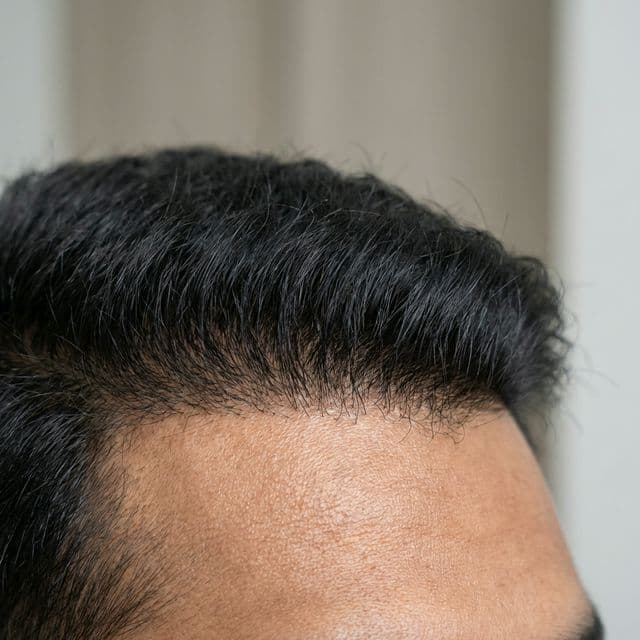
People use the word failure for several different problems. A person may see early shedding and fear that every graft has been lost. Another may have some growth but not enough density. A third may have a hairline that looks unnatural, a thin donor area, or continued loss of the original hair.
These situations need different assessments. Graft survival, hair density, hairline design, donor-area appearance and the progress of untreated hair are related, but they are not the same outcome. A result can have good graft survival and still look thin if the area was too large for the available donor hair. It can also look uneven while swelling is settling and later improve.
A useful review asks three questions:
Has enough time passed to judge the growth?
- Is the problem with the transplanted grafts, the original hair, the design, or healing?
- What evidence supports the next step?
Do not judge the final result from the first month. Do not agree to a second session only because a clinic says the first one has failed.
Why can a hair transplant fail?
The cause of hair loss was not confirmed
A transplant works best when the diagnosis and pattern of hair loss are clear. Pattern hair loss is not the only cause of thinning. Alopecia areata, active scalp inflammation, scarring alopecia, sudden shedding, nutritional problems, thyroid disease and some medicines may need a different plan. BAAPS advises that hair-transplant surgery should follow a diagnosis and a proper medical history, and that some hair-loss conditions are not suitable for transplantation.
If the disease is still active or the hair loss is spreading quickly, placing grafts may not solve the underlying problem. The safer approach may be to investigate first, treat the scalp condition, watch the pattern for a period, or consider non-surgical treatment.
The donor area was not planned for the future
A transplant redistributes existing follicles. It does not create new follicles. Hair taken from the donor area cannot be replaced there. The ISHRS warns that donor hair should be used carefully, with enough reserve for future needs.
If too many grafts are removed, or if hair that was already miniaturising is selected, the donor area may look thin and there may be little safe supply for a later correction. A low hairline that uses too many grafts can also leave insufficient hair for future recession. Good planning considers your age, family pattern, current density, scalp condition and likely progression.
Grafts were damaged during harvesting, handling or placement
A graft contains follicles that must be handled gently. Damage can occur during extraction, dissection, storage or insertion. The exact risk depends on the technique, the person performing each surgical step, graft quality and the plan for the recipient area.
The British associations BAAPS and BAPRAS support clear information about who performs the surgical steps. Before treatment, ask which doctor will examine you, design the hairline, remove the grafts, make the recipient sites and place the grafts. Staff roles should be explained clearly. Very low prices and high-volume packages can make it difficult to know who is responsible for the surgery and follow-up.
The recipient design was not suitable
A natural result depends on more than the number of grafts. Hairline height, single-hair grafts at the front, angle, direction, spacing, crown planning and the match between donor hair and recipient area all matter. An aggressive or very low hairline may look dense at first but become difficult to manage if native hair continues to thin.
Some patients have good graft survival but remain unhappy because the design does not fit their face or because density was spread too widely. A graft-count promise without a discussion of distribution and future loss is not a complete plan.
Healing was affected by a complication or medical problem
Bleeding, infection, prolonged inflammation, poor wound healing or scarring can affect the result. Serious problems are uncommon when the procedure is properly planned, but they should not be dismissed. ISHRS patient guidance notes that infection is rare but that inflammation, scabs and temporary numbness can occur during normal healing.
Smoking, uncontrolled diabetes, some medicines, active scalp disease and other health problems may affect healing. This does not mean every person with a medical condition is unsuitable. It means the condition and medicines need review before treatment, with a plan for safer timing and follow-up.
The original hair continued to thin
Transplanted hair may remain, while the native hair behind or between the grafts becomes thinner. This can make the overall result look patchy or less dense over time. A transplant does not stop pattern hair loss in untreated follicles. The ISHRS explains that progressive and unpredictable hair loss can later outpace the original restoration plan.
This is why a long-term plan may include monitoring or medical treatment for suitable patients. Do not start, stop or change a hair-loss medicine without discussing it with a qualified doctor. The right choice depends on your diagnosis, health, possible side effects and goals.
Is early shedding a sign that the transplant failed?
Usually, no. Transplanted hair can shed after the operation while the follicle remains in the skin. This is often called shock shedding or temporary shedding. New growth may not be visible for several months. NHS guidance says new hair commonly starts to appear around four months, while the full result may take 10 to 18 months.
The timing is not a guarantee. Some people grow earlier, some later, and the crown can be slower than the front. Hair thickness also develops gradually. A photograph from one month cannot tell you the final graft survival.
Contact the clinic if shedding is accompanied by increasing pain, spreading redness, pus-like discharge, fever, a foul smell, severe swelling, dark skin, heavy bleeding or a sudden change that worries you. These symptoms are not a diagnosis, but they need medical review.
How do doctors assess a possible failed transplant?
The assessment starts with your original diagnosis, the operative details and the timeline. The doctor may ask for the graft count, technique, donor and recipient photographs, medicines, aftercare instructions and any problems during healing.
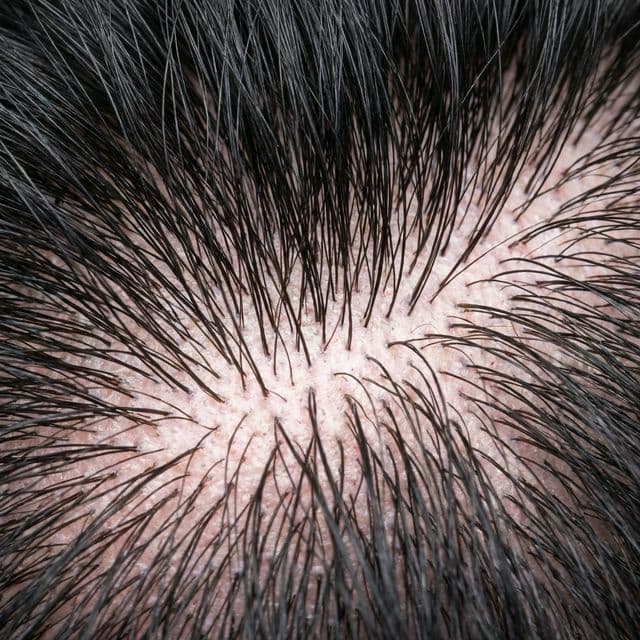
The scalp is examined for density, inflammation, scarring, follicle openings and the appearance of both donor and recipient areas. Standardised photographs can help compare progress. If the diagnosis is uncertain, the doctor may recommend blood tests, dermoscopy or a referral to a dermatologist. A biopsy is not needed for everyone, but it can be considered when scarring or an inflammatory hair disease is suspected.
The review should separate:
normal early shedding from poor late growth;
- loss of transplanted hair from continued native-hair loss;
- low density from poor hairline design;
- a visible donor scar from over-harvesting;
- healing problems from an expected temporary change.
A second procedure should be discussed only after the cause is understood and the scalp has healed. More grafts are not automatically the safest answer.
What can be done if the result is poor?
The next step depends on the cause. If the result is still within the normal growth period, observation and scheduled reviews may be enough. If native hair is thinning, medical treatment or a revised long-term plan may be considered. If there is a diagnosis such as active inflammation or scarring, that condition needs attention before further surgery.
A revision transplant may help selected patients with poor density, an unnatural hairline or a repairable donor or recipient problem. Revision is usually more complex. Scar tissue can reduce blood supply, donor hair may be limited and the surgeon may need to remove or redistribute older grafts. Correction may need more than one session.
Ask for a clear explanation of what can realistically be improved, what cannot be changed, how many grafts are available and how the donor area will be protected. Be cautious if someone promises a guaranteed correction, a fixed number of grafts without examination or a final result from edited photographs.
How can you reduce the risk before booking?
Choose the diagnosis and plan before choosing a package. Ask these questions at consultation:
What type of hair loss do I have, and how was it confirmed?
- Is my loss stable enough for surgery now?
- What will my donor area look like after the planned extraction?
- Who will perform each surgical step?
- How many grafts are planned, and how will they be distributed?
- What happens if my native hair continues to thin?
- What follow-up is included at one, six, 12 and 18 months?
- Who will assess a complication outside clinic hours?
- What is the plan if growth is poor?
Bring a list of medical conditions, allergies, medicines and supplements. Tell the doctor about scalp pain, scaling, itching, sudden shedding, previous surgery, steroid or anabolic-steroid use, and any earlier transplant. Do not hide a previous procedure because it changes the assessment.
After surgery, follow the clinic’s instructions for washing, sleep, exercise, sun protection and medicines. Do not compare your healing with another patient’s video. If your clinic does not give written aftercare or a route for urgent help, resolve that before treatment.
When should you seek medical help?
Contact your surgical team promptly for worsening pain, increasing redness, pus, fever, heavy bleeding, severe swelling, a wound that is opening, dark or pale skin, or new breathing or chest symptoms. Seek urgent care for severe illness, fainting, chest pain or difficulty breathing.
A lack of visible growth at an early stage is usually a reason for review and patience, not an emergency. But a late poor result, a change in the donor area or symptoms of infection should not be managed only through online advice.
Frequently asked questions
Can a hair transplant fail after one year?
It can, but a poor appearance at one year needs assessment before it is called failure. The cause may be low graft survival, ongoing native-hair loss, design, scarring or a diagnosis that needs review. The doctor should compare photographs and examine the scalp.
How do I know if my grafts have survived?
You cannot confirm graft survival by looking at the scalp in the first few weeks. Shedding can be normal. Growth, density and scalp health are assessed over time, commonly with reviews and photographs. Your surgeon should explain the expected timeline for your procedure.
Can a second hair transplant fix a failed one?
Sometimes, but not always. The cause, donor reserve, scar tissue, remaining hair and health of the scalp must be checked first. Revision can be harder and may need staged treatment.
Can poor aftercare cause transplant failure?
Rough handling, early trauma or ignoring instructions can harm healing, but patients should not be blamed without an assessment. Many early changes are normal. Contact the clinic if you are unsure, especially after bleeding, injury, infection symptoms or severe swelling.
Is a hair transplant failure permanent?
Not always. Some problems can improve with time or medical treatment. Others, such as major donor over-harvesting or significant scarring, may be difficult to reverse. A specialist review is needed before discussing repair.
Practical takeaway
A hair transplant is a long-term plan, not a quick density promise. Early shedding can be normal, while true poor growth or an unnatural result needs a structured review. Check the diagnosis, protect the donor area, understand who performs the surgery and ask what follow-up is available if the result is not as expected. If you are worried about your own scalp, arrange an in-person assessment rather than trying to diagnose graft failure from photographs alone.
References
NHS — Hair transplant
ISHRS — FUE: What is it?
BAAPS — Hair transplant surgery
BAAPS, BAPRAS and BAHRS — Minimum guidelines for hair transplant surgery