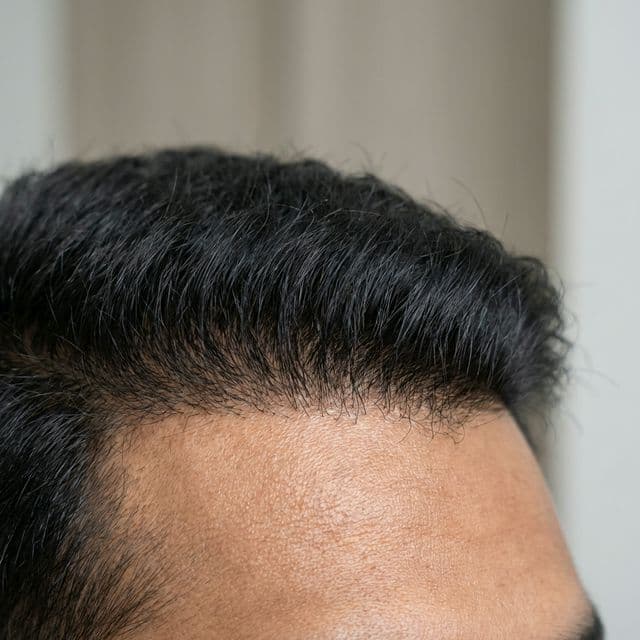
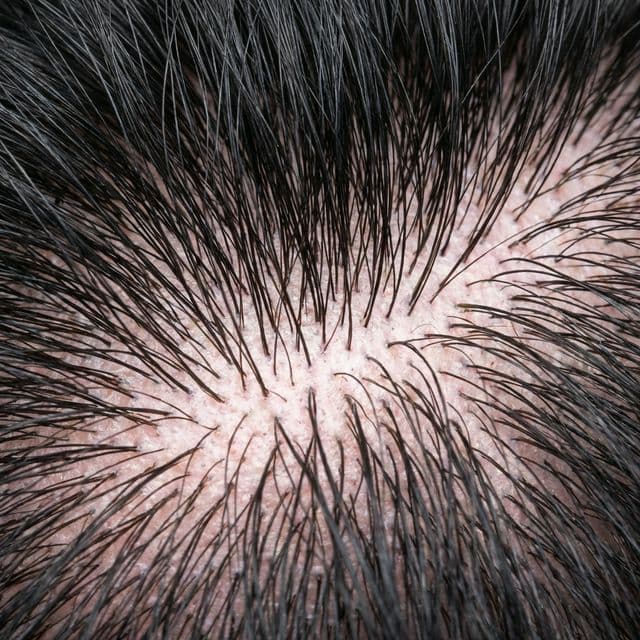
A fuller beard and a fuller scalp can both change how the face frames your appearance, but they are not the same transplant problem. The hairline, the donor area, the direction of growth, the number of grafts, and even the way the result is judged are different. That is why a package designed for scalp coverage should not automatically be used for facial-hair restoration.
If you are comparing a beard transplant with a scalp hair transplant in Hyderabad, the most useful question is not simply which procedure is cheaper or which technique has the newest name. It is: what area are you trying to restore, what pattern do you have, and can a surgeon plan a natural result without exhausting your donor supply?
This guide explains the practical differences, what a consultation should assess, what affects the cost, how recovery usually progresses, and which questions can help you compare clinics fairly. It is general information, not a diagnosis or a promise of a particular result.
Beard transplant vs scalp hair transplant: the short answer
Both procedures move follicles from a donor area to a recipient area, most often using follicular unit extraction (FUE) under local anaesthesia. The planning is different because scalp hair usually needs to create coverage across a larger surface, while a beard transplant needs fine control of angle, direction, spacing, and single-hair graft placement along visible facial borders.
- Scalp hair transplant: usually focuses on restoring a receding hairline, frontal forelock, mid-scalp, crown, or a combination of areas while preserving donor hair for future loss.
- Beard transplant: usually focuses on filling patchy cheeks, connecting the moustache and beard, defining the jawline, adding chin density, rebuilding a scarred area, or creating facial hair where growth is limited.
- Shared principle: the result depends on diagnosis, donor quality, surgeon-led design, careful extraction, accurate placement, and realistic expectations—not only on the number of grafts.
In some patients, both areas can be treated at different times or planned as part of a broader restoration strategy. The order matters because the donor area is finite. A consultation should consider your long-term scalp loss before using a large number of grafts for the beard.
How the goals differ
Scalp hair restoration is mainly about coverage and future planning
A scalp transplant may be recommended when hair loss has created a stable enough pattern for surgical planning and the donor area has adequate density. The surgeon maps the hairline, estimates the coverage needed, and decides how to distribute grafts so the result remains proportionate if native hair continues to thin. A mature, natural hairline usually needs fine, single-hair grafts in the front, while thicker grafts may be placed behind it for density.
The crown is a different design challenge. It can require more grafts for a visible change, and the natural whorl affects the direction of placement. Treating the crown too aggressively may compromise the donor reserve needed for the frontal area later. Medication or other hair-loss treatments may also be discussed when ongoing miniaturisation is likely.
Beard restoration is mainly about facial geometry and growth direction
A beard is read at close range. Even a relatively small patch can be noticeable if the implanted hairs leave the skin at the wrong angle or point in an unnatural direction. The surgeon must study your existing moustache, cheek, chin, sideburn, and jawline growth, then design the recipient area around your preferred beard style and facial proportions.
Different zones call for different strategies. The moustache often needs very fine grafts and a low, controlled angle. The cheek may need a softer transition rather than a hard outline. The chin and jaw can require more density, but placing too many grafts too close together may not create a natural look. A scar or previously operated area may have less predictable blood supply and may need a more cautious plan.
Graft planning: why the numbers are not interchangeable
A graft is a follicular unit, not a single hair. Depending on the donor area, a graft may contain one, two, three, or more hairs. When a clinic quotes a graft count, ask whether it means grafts or individual hairs and whether the number is an estimate after examining your donor density.
Scalp transplantation often uses a larger graft plan because the recipient area can be broad. Beard transplantation may use fewer grafts overall, but the work is more detail-sensitive. Single-hair grafts are particularly valuable for natural moustache and cheek edges. A lower graft count does not necessarily mean a simpler procedure, and a higher count does not guarantee a denser or better result.
- The area to be treated: moustache, goatee, cheeks, jawline, chin, sideburns, hairline, mid-scalp, or crown.
- The size and shape of the gap, including whether you want a conservative fill or a denser change.
- Donor density, hair calibre, curl, colour, and the percentage of usable follicles.
- Whether existing native hair is still thinning and may need medical management.
- Whether a scar, previous transplant, or prior procedure changes the recipient area.
A responsible plan protects the donor area. Overharvesting can create visible thinning at the back or sides of the scalp and can limit future options. The aim is not to maximise the graft number; it is to use an appropriate number in the right places.
Does the donor hair matter more for a beard transplant?
Donor hair is important for both procedures, but the match is especially visible in the beard. Scalp hair is commonly used because it can provide a useful texture and a durable donor supply. However, scalp hair may grow longer and straighter than native beard hair. The surgeon should explain how the transplanted hair may behave over time and whether trimming will be part of your routine.
Your donor assessment should include density, calibre, curl or wave, direction, hair-loss pattern, and any previous extraction scars. The back and sides of the scalp are often considered the safer donor zone, but “safe” is not identical for every patient. A family history of progressive hair loss, diffuse thinning, or a limited donor supply can change the recommendation.
For beard restoration, the quality of the recipient skin also matters. Active skin disease, uncontrolled inflammation, or an unstable medical condition should be addressed before elective surgery. If the beard loss is sudden, sharply demarcated, associated with scaling, or accompanied by other symptoms, the cause should be evaluated rather than treating it as a purely cosmetic gap.
FUE for beard vs scalp: what is similar and what is different?
FUE involves removing follicular units individually through small punches and placing them into prepared recipient sites. The broad steps may sound similar, but the precision required in the face is different. Beard sites are usually created at very low angles and in the direction of surrounding growth. The surgeon must avoid a plug-like appearance and plan for how the hairs will look when grown, trimmed, or shaved.
For scalp hair, the design emphasises hairline irregularity, direction, density gradients, and coverage. For the beard, it emphasises natural emergence, the relationship between zones, and the use of fine grafts where the facial outline is visible. The safest choice is therefore not determined by the label “FUE” alone. Ask who designs the recipient area, who performs extraction and placement, how grafts are counted, and what follow-up is included.
Beard transplant cost in Hyderabad: what changes the quote?
There is no single meaningful price until the treatment plan is known. Hyderabad clinics may quote by graft, by area, or as a package. Online price listings can vary widely because they may describe different graft counts, different levels of surgeon involvement, different facilities, or different inclusions. A low headline price is not comparable with a quote that includes a larger plan, medical evaluation, medicines, follow-up, and facility charges.
The main cost factors include:
- Graft count and the number of facial zones or scalp areas treated.
- Whether the case needs detailed single-hair placement, scar repair, or correction of a previous transplant.
- Surgeon experience, operating-team structure, and how much of the procedure is surgeon-led.
- The technique and equipment used, along with the standards of the operating facility.
- Pre-procedure tests, local anaesthesia, medicines, dressings, follow-up visits, and any planned maintenance treatment.
- Travel, accommodation, or additional review visits if you are coming to Hyderabad from another city.
When comparing two quotes, request the plan in writing. It should state the estimated graft count, donor area, recipient zones, who performs each stage, what is included, what is excluded, and what happens if your examination changes the plan. The most useful quote is one you can understand—not merely the one with the lowest number.
Recovery and results: what to expect
The first week
Mild swelling, redness, tightness, tenderness, and small crusts can occur after either type of transplant. Beard procedures can be socially noticeable because the face is difficult to cover, while scalp procedures may be easier to conceal with careful planning. Follow the clinic’s washing, sleeping, medication, and activity instructions. Do not pick crusts or rub the grafts.
Many patients can return to desk-based work within a few days, but the appropriate timing depends on the extent of treatment, your occupation, and how your skin heals. Exercise, sun exposure, helmet use, and shaving restrictions should be discussed in advance rather than guessed.
The following months
Transplanted hairs can shed after the procedure. This does not automatically mean the transplant has failed; the follicle can remain in place while new growth develops. Early growth is not the final result. Hair shafts commonly become more visible over the following months, and maturation continues gradually. The timeline differs by patient, area, hair cycle, and medical factors.
Beard hair may need regular trimming once it grows because transplanted scalp hair can continue to grow at scalp length. Scalp patients may still need treatment for native hair that is vulnerable to ongoing thinning. Follow-up allows the surgeon to assess healing, growth, density, and whether any additional treatment is appropriate.
Who may be a suitable candidate?
A good candidate has a clear, stable goal, adequate donor hair, realistic expectations, and the general health needed for an elective procedure. For a scalp transplant, the cause and pattern of hair loss should be evaluated. For a beard transplant, the reason for patchiness matters: genetics, incomplete development, scarring, trauma, previous surgery, and certain skin or autoimmune conditions can lead to different recommendations.
You may be advised to wait or investigate further if hair loss is rapidly changing, the donor area is weak, you expect a completely dense result from a limited supply, or you are not ready to follow aftercare. The consultation should include alternatives when surgery is unlikely to provide a predictable benefit.
Questions to ask before choosing a Hyderabad clinic
- Who will examine me and design the hairline or beard pattern?
- How many grafts do you estimate, and how many hairs does that represent?
- Which donor area will be used, and how will you protect it for future needs?
- Who performs extraction, recipient-site creation, and implantation?
- Can I see comparable, consented results with similar hair texture, skin tone, and treatment area?
- What is included in the quote, and what costs could be added later?
- What is the expected recovery timeline for my work, travel, exercise, shaving, and helmet use?
- What happens if native scalp hair continues to thin or if density is lower than expected?
- How will you manage a scar, previous transplant, active skin condition, or medical treatment?
- What follow-up schedule and contact support will I receive after the procedure?
Be cautious with guarantees of a fixed graft-survival percentage or a “permanent” result that ignores ongoing native hair loss. A trustworthy consultation explains uncertainty as well as potential benefit.
Frequently Asked Questions
Is a beard transplant the same as a hair transplant?
No. Both move follicular units, commonly with FUE, but beard transplantation requires more detailed planning of facial angles, single-hair grafts, density transitions, and beard-zone proportions. Scalp transplantation focuses more on hairline design, coverage, crown direction, and long-term planning for progressive hair loss.
Can scalp hair be used for a beard transplant?
Scalp hair is commonly used as a donor source, but the surgeon must consider texture, curl, calibre, growth length, donor density, and your desired beard style. The final match cannot be judged from graft count alone.
How many grafts are needed for a beard transplant in Hyderabad?
It depends on the zones treated, the size of the gaps, existing density, hair calibre, and whether you want subtle filling or a denser change. A moustache gap, cheek patch, goatee, full beard, and scar repair can require very different plans. A graft estimate should follow an examination.
Is beard transplant surgery painful?
The procedure is usually performed with local anaesthesia, so discomfort during treatment is managed. Tenderness, tightness, redness, and swelling can occur afterward. Your surgeon should explain the anaesthesia, pain-relief plan, and warning signs before you consent.
When will beard or scalp transplant results be visible?
Early shedding can occur, followed by gradual new growth and maturation. The timeline varies, so do not judge the final outcome from the first few weeks or an early patchy phase. Your clinic should give you a follow-up plan tailored to the treated area.
Is the result permanent?
Transplanted follicles are intended to provide long-lasting growth, but the result still depends on donor selection, healing, technique, and future changes in native hair. Scalp hair outside the transplanted area can continue to thin, and some patients need a long-term medical plan.
What should I do if my beard became patchy suddenly?
Arrange a medical assessment before booking a cosmetic transplant. Sudden or sharply defined loss can have causes that need diagnosis and treatment. Surgery should be considered only after the underlying problem and the stability of the area are understood.
Practical takeaway
Choose the procedure based on the problem you are trying to solve, not on the most attractive package name. A scalp hair transplant is a coverage and future-loss planning exercise; a beard transplant is a facial-design exercise that demands precise angles and natural transitions. In both cases, the right plan protects your donor area and makes the quote understandable.
If you are considering a beard transplant or scalp hair transplant in Hyderabad, bring photographs of your preferred beard or hairline, list any past hair-loss treatments and medical conditions, and ask for a written graft plan with clear inclusions. A consultation with a qualified plastic or hair-restoration surgeon can then determine whether surgery is appropriate, which areas should be prioritised, and what result is realistically achievable for you.